Still relatively unexplored in Brazil, the initiative strengthens the ability of local communities to prevent, prepare for, and respond to climate emergencies through community philanthropy. Four funds have already been established, with two more currently being developed.
Six community foundations and institutes across different regions of Brazil are receiving technical and financial support to create permanent, locally based mechanisms for climate emergency preparedness and prevention. The initiative, a pioneering approach in the Brazilian context, is part of IDIS’ Transforming Territories Program (Programa Transformando Territórios) and draws on the methodology and technical expertise of ICOM – Instituto Comunitário Grande Florianópolis. It is also supported through partnerships with the Mott Foundation, Movimento Bem Maior, and Fundação FEAC.
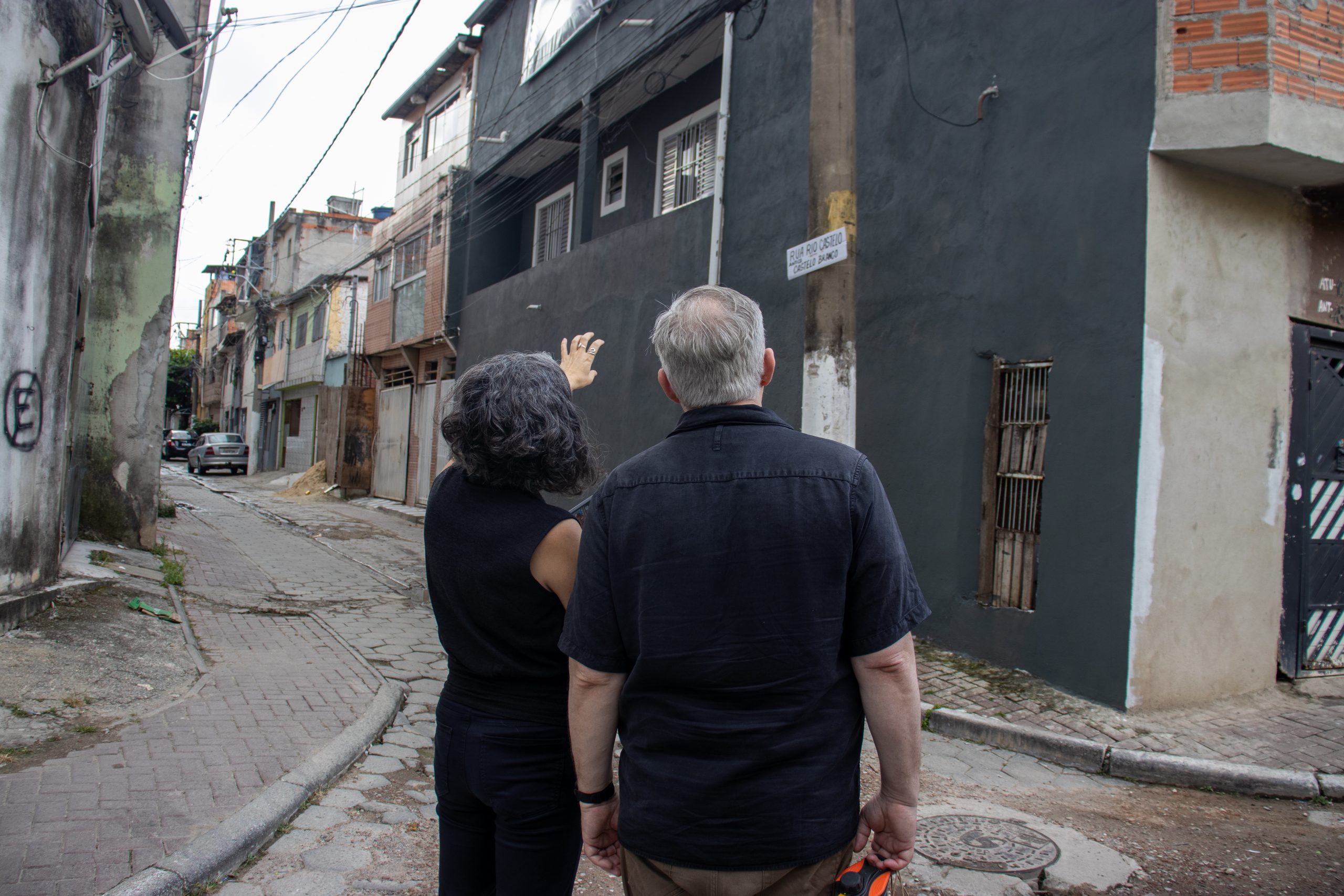
In the first phase, four community foundations and institutes—locally rooted philanthropic organizations that mobilize resources and connect local actors to address community priorities—completed the development of their funds. Each received BRL 50,000 (Brazilian reais) to develop strategies focused on risk management, prevention, and strengthening local resilience.
The participating organizations are Instituto Cacimba, based in São Miguel Paulista, a district on the eastern outskirts of the city of São Paulo; Associação Nossa Cidade, in the Greater Belo Horizonte metropolitan area, in the state of Minas Gerais; Instituto Comunitário Paraty, in Paraty, in the state of Rio de Janeiro; and Mundaú Mundo, in Maceió, the capital of the northeastern state of Alagoas.
Fundação Gerações, in the Greater Porto Alegre metropolitan area, in southern Brazil, and Fundo Comunitário Perifasul M’Boi Mirim, based in M’Boi Mirim, a district in the southern outskirts of São Paulo, are currently receiving technical assistance and are expected to complete the development of their funds soon. The funds are open to contributions from both individuals and organizations.
“People who live and work in these communities have firsthand knowledge of their risks, vulnerabilities, and strengths. Strengthening local organizations is therefore essential to developing prevention and preparedness strategies alongside communities themselves, before emergencies occur. Community foundations and institutes play a strategic role in this process by identifying risks, mobilizing resources, connecting different stakeholders, and strengthening communities’ ability to prevent, prepare for, and respond to crises in a coordinated and sustainable way,” says Rosana Ferraiuolo, Manager of the Transforming Territories Program at IDIS.
The resources support preventive measures designed to strengthen local capacity before extreme events escalate into crises that are far more difficult to manage. The participating communities share an important characteristic: they were already taking action or developing strategies to address emergencies and socio-environmental vulnerabilities but needed more structured mechanisms to respond to the growing impacts of climate change.
The funds are designed to help communities prepare for risks including floods, dam failures, illegal waste disposal, extreme rainfall, heat waves, and other climate-related events. Some of these risks are monitored through local networks of community-based climate observers, helping communities identify changing conditions and strengthen preparedness.
Individuals and organizations interested in contributing can donate directly to the participating community foundations and institutes through their respective websites.
An Innovative Model Inspired by International Experience
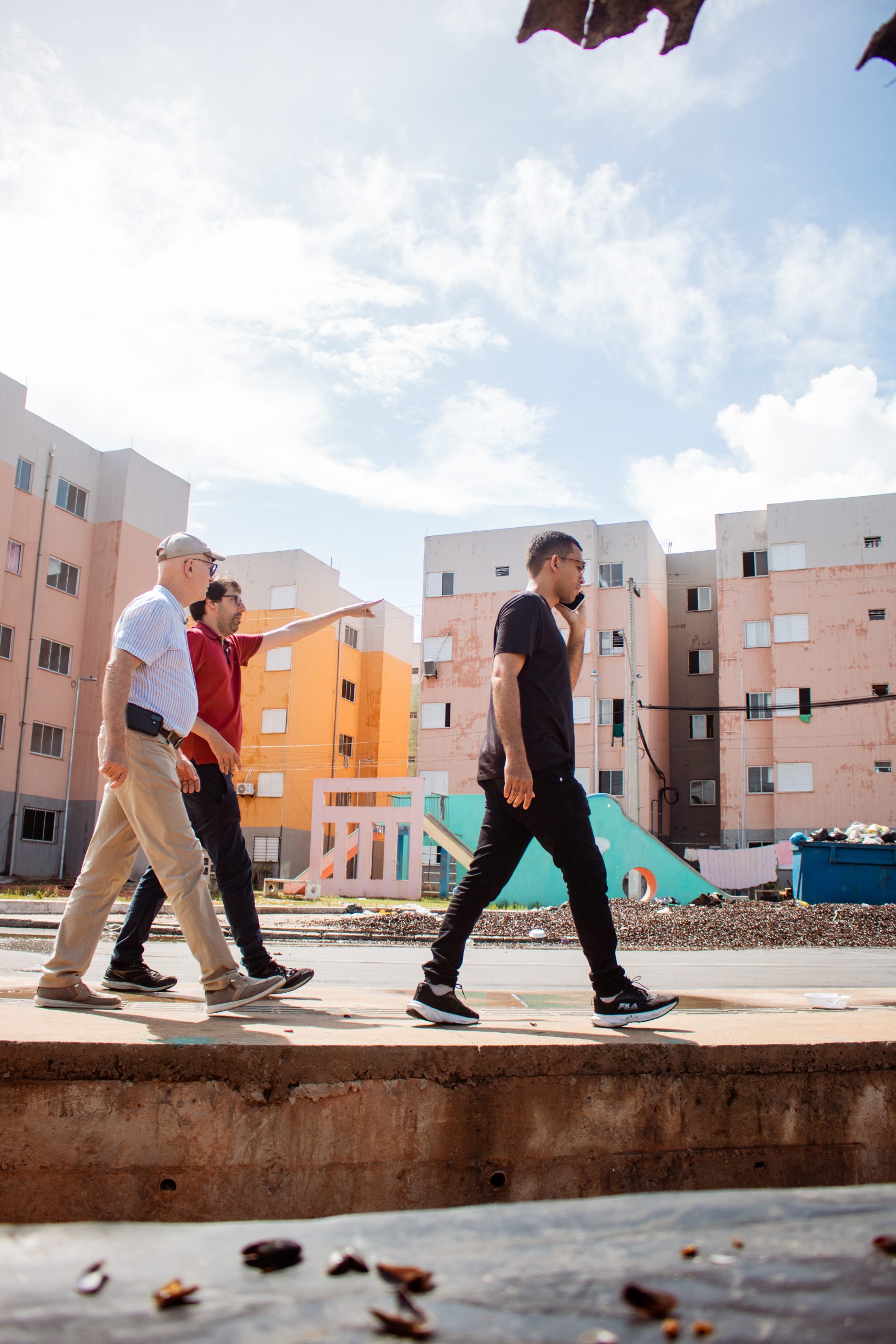 The Preventive Emergency Fund (Fundo Emergencial Preventivo, or FEP) model is considered innovative in Brazil because it uses place-based community philanthropy as the foundation for building long-term local resilience. The approach was inspired by experiences in countries including Romania and Chile, as well as the work of organizations such as the Center for Disaster Philanthropy.
In Brazil, the model also builds on ICOM’s experience in establishing, managing, and governing community and emergency funds. It combines local fundraising, community knowledge, and capacity building for grassroots and local organizations, creating infrastructure that can remain in place before, during, and after emergencies.
Rather than focusing solely on emergency response, the initiative seeks to build lasting local capacity to anticipate risks, mobilize resources, coordinate stakeholders, and respond effectively as climate-related crises become more frequent and complex.
“At first glance, a Preventive Emergency Fund may seem like just another funding mechanism. But its innovation lies in how it builds capacity before a crisis occurs. The FEP strengthens communities during periods of stability by investing in governance, coordination, local intelligence, and community mobilization. We are proud to share ICOM’s accumulated experience in community funds, emergency funds, and place-based development, helping other community foundations and institutes adapt this model to their own local realities,” says Mariana de Assis, Project Coordinator at ICOM.
ABOUT THE TRANSFORMING TERRITORIES PROGRAM
 The Transforming Territories Program (Programa Transformando Territórios) is an initiative of IDIS – Institute for the Development of Social Investment, in partnership with the Charles Stewart Mott Foundation, that supports the creation and strengthening of community foundations across Brazil.
The program seeks to strengthen locally led philanthropy by engaging donors and civil society, facilitating knowledge exchange, and providing technical support to organizations that mobilize local resources and respond to community priorities.
Learn more about the program and participating organizations at www.transformandoterritorios.org.br.