From May 19 to 21, Guilherme Sylos, Director of Prospecting and Partnerships at IDIS – Institute for the Development of Social Investment, represented the organization at the 10th edition of the On Think Tanks Conference, held in Rabat, Morocco. The event brought together leaders, researchers, and policy professionals from different countries under the theme “Think tanks and trust”.
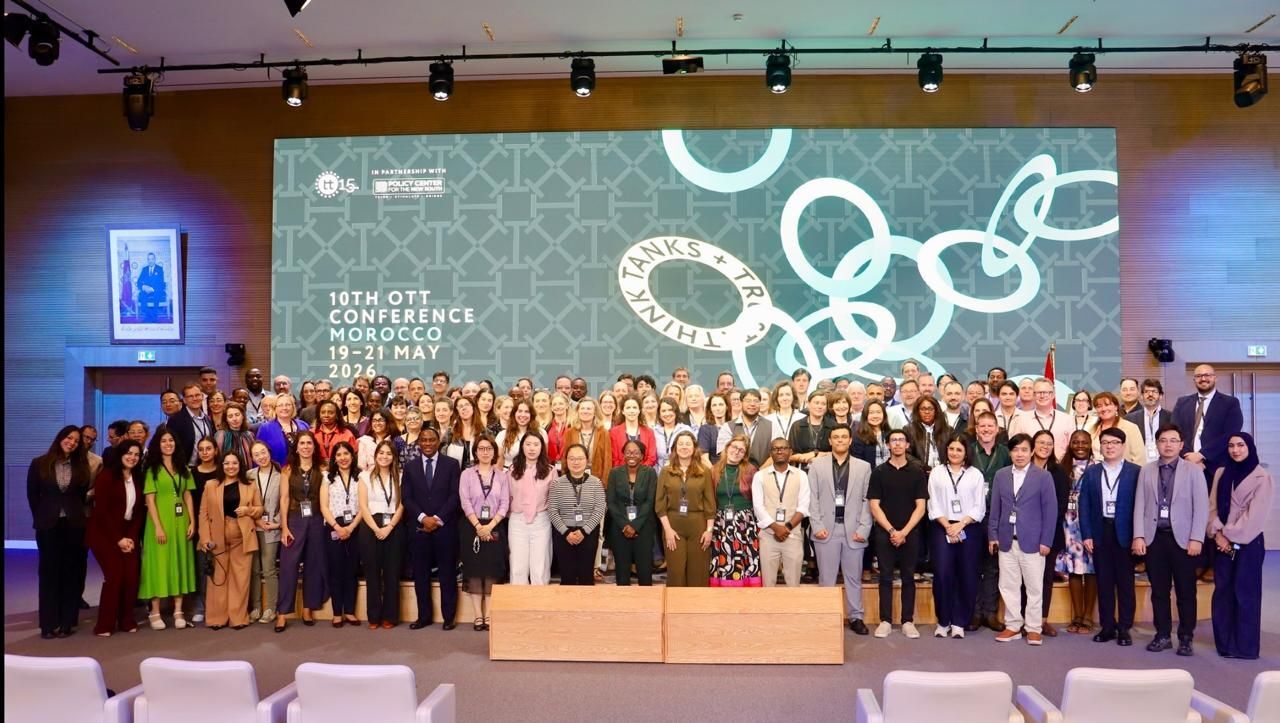
IDIS participated in the conference at the invitation of WINGS, a global network dedicated to strengthening philanthropy and philanthropy support ecosystems. During the event, Guilherme presented IDIS’ work on endowments in Brazil, highlighting the organization’s role in the Coalition for Philanthropic Endowments and its contribution to the approval of Law 13,800/19, the Brazilian legal framework that provides for the creation of endowments to raise, manage, and allocate private donations to public-interest causes and institutions.
“It was a very important opportunity to share the Brazilian experience and show how building an enabling environment for philanthropy requires coordination, persistence, and trust among different actors. The approval of Law 13,800/19 is the result of collective work and demonstrates the power of coalitions to advance structural agendas,” says Guilherme Sylos.
The session also featured Joyjayanti Chatterjee, who presented the “Playbook of Best Practices on the Enabling Environment for Philanthropy,” an initiative that brings together global case studies on regulatory environments and public policies that support the development of philanthropy. Evans Okinyi, from the East Africa Philanthropy Network in Kenya, also shared lessons on regulatory reforms in the philanthropic field, emphasizing the importance of coalitions, patience, and trust built over time.
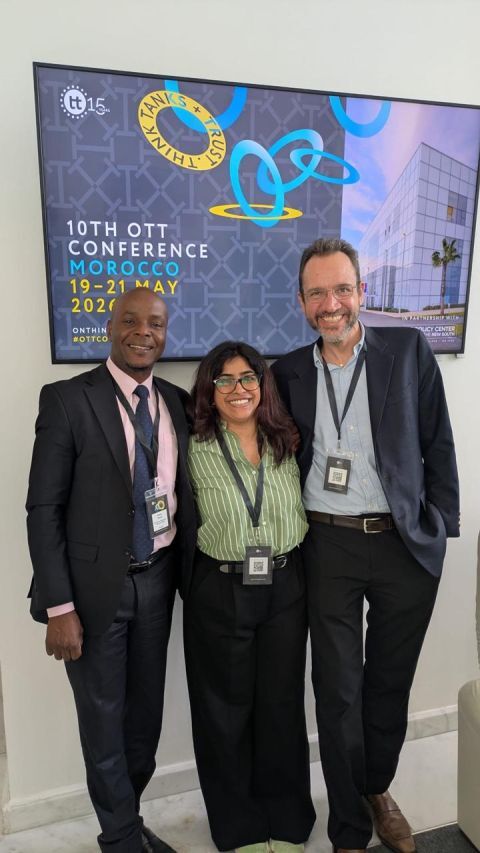 In addition to the philanthropy agenda, Guilherme attended discussions on the use of artificial intelligence by think tanks in different regions of the world. For him, although AI has become an increasingly present tool, the distinctive value of these organizations remains human. “The use of AI is imminent, but the real value of think tanks lies in the knowledge that emerges when people with genuine interests face difficult problems together,” he says.
Another key point of reflection was the situation faced by civil society organizations in different countries of the Global South. In conversations with international representatives, Guilherme heard accounts of persecution and restrictions on the work of these organizations, in contexts that go beyond the fiscal and regulatory challenges known in Brazil.
IDIS’ presence at the conference reinforces its commitment to strengthening philanthropy, civil society, and knowledge production oriented toward impact, in dialogue with national and international networks.