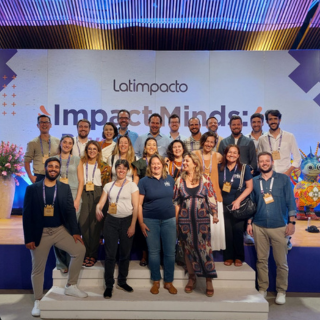
By Débora Isis Gama, IDIS Partnerships and Business Development Manager
How can we turn connections into a strategic agenda for impact?
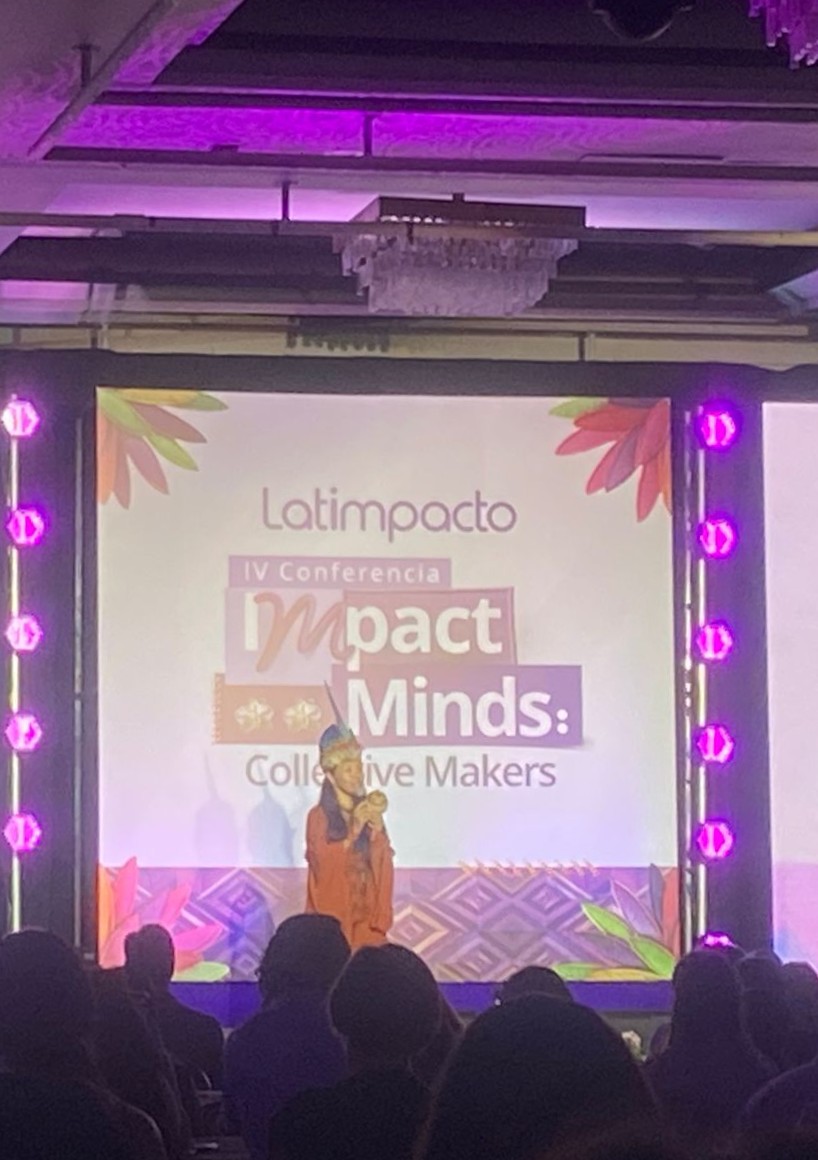
IDIS’ participation in Impact Minds 2026, Latimpacto’s conference held from September 9 to 11 in Manaus, offered valuable perspectives on this question. Under the theme “Connecting Us”, the event brought together social investors, philanthropists, and organizations to discuss how to align intentions, capital, and action.
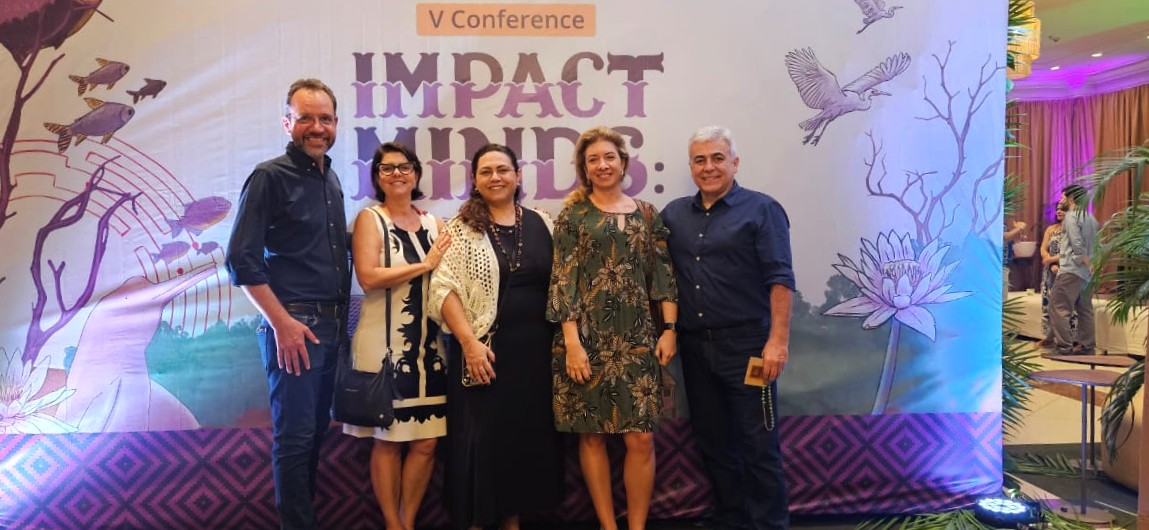
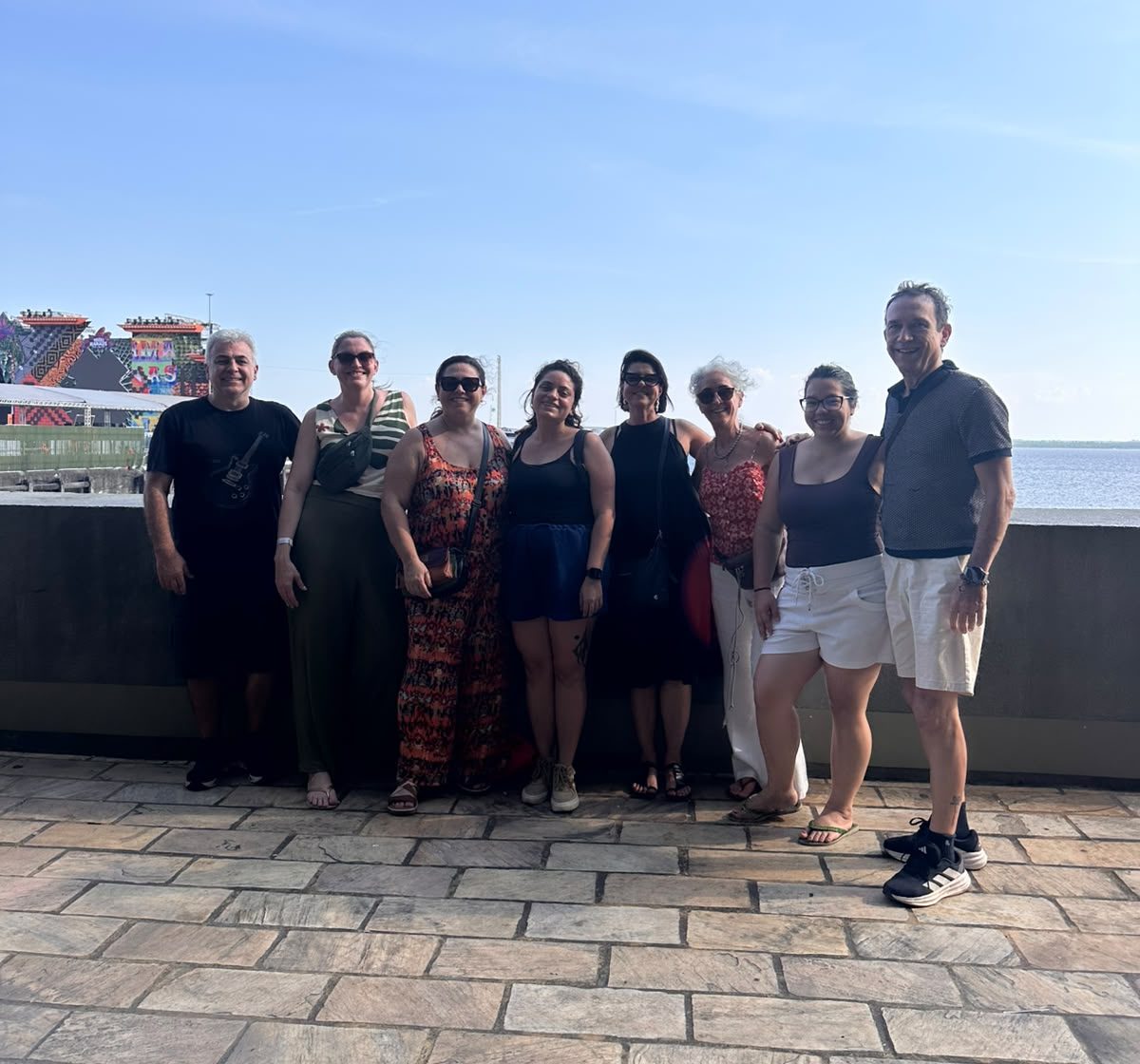
IDIS team at Impact Minds 2026
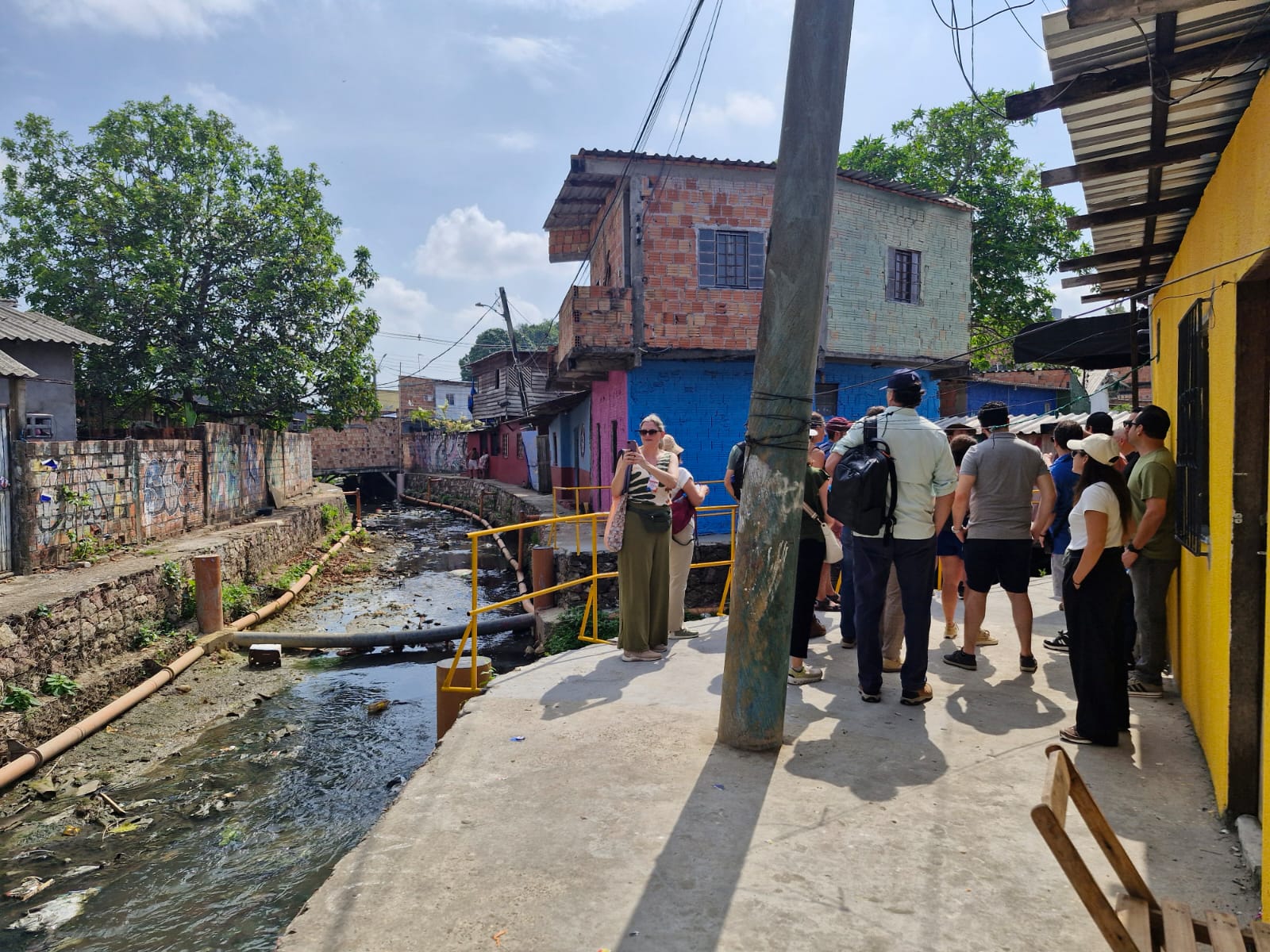
The program began on September 9 with a series of field visits designed to bring participants closer to the local culture and to community-led initiatives. Given the range of activities available, our team split up to take part in three different experiences.
I chose to visit the Bahserikowi Indigenous Medicine Center, an initiative led by specialists from the Tukano, Desana, and Tuyuka peoples of the Upper Rio Negro region. The visit introduced us to ancestral knowledge and to a worldview that connects health, territory, spirituality, and community life. Participants learned about the Center’s work and had the opportunity to take part in a consultation and experience the traditional use of rapé with the specialists. They could also purchase traditional medicine products and handicrafts made by Indigenous artisans themselves.
Marcos Alexandre Manoel, IDIS Project Director, visited Viva Paricatuba, a community-based tourism initiative that brings together historical heritage, culture, and nature. By recognizing the knowledge and leadership of local residents, the initiative connects the preservation of collective memory with local development.
Rosana Ferraiuolo, manager of the Transforming Territories program, joined a visit focused on Indigenous funding, organized by TNC Brasil with the Podáali Fund and Derequine Atelier. Held at the atelier — an initiative led by women from the Witoto people in Parque das Tribos — the activity showcased funding mechanisms led by Indigenous peoples themselves. Local governance, trust, and institutional strengthening emerged as key pathways to expanding autonomy and supporting solutions designed within the territories themselves.
On September 10 and 11, the conference continued with panels and workshops that reinforced a central message: financial resources are essential, but they are not enough. Paula Fabiani and Guilherme Sylos brought IDIS’ perspectives to this discussion, in dialogue with other members of the Latin American ecosystem.
Trust, Capacity, and Collaboration
While moderating the panel “Building Capacities to Transform Systems,” Paula Fabiani, CEO of IDIS, highlighted three elements: trust, capacity, and collaboration. These aspects underscore that bringing organizations together around a common cause does not, in itself, guarantee collective results. It is essential to identify which capacities are missing and create the conditions for organizations to complement one another.
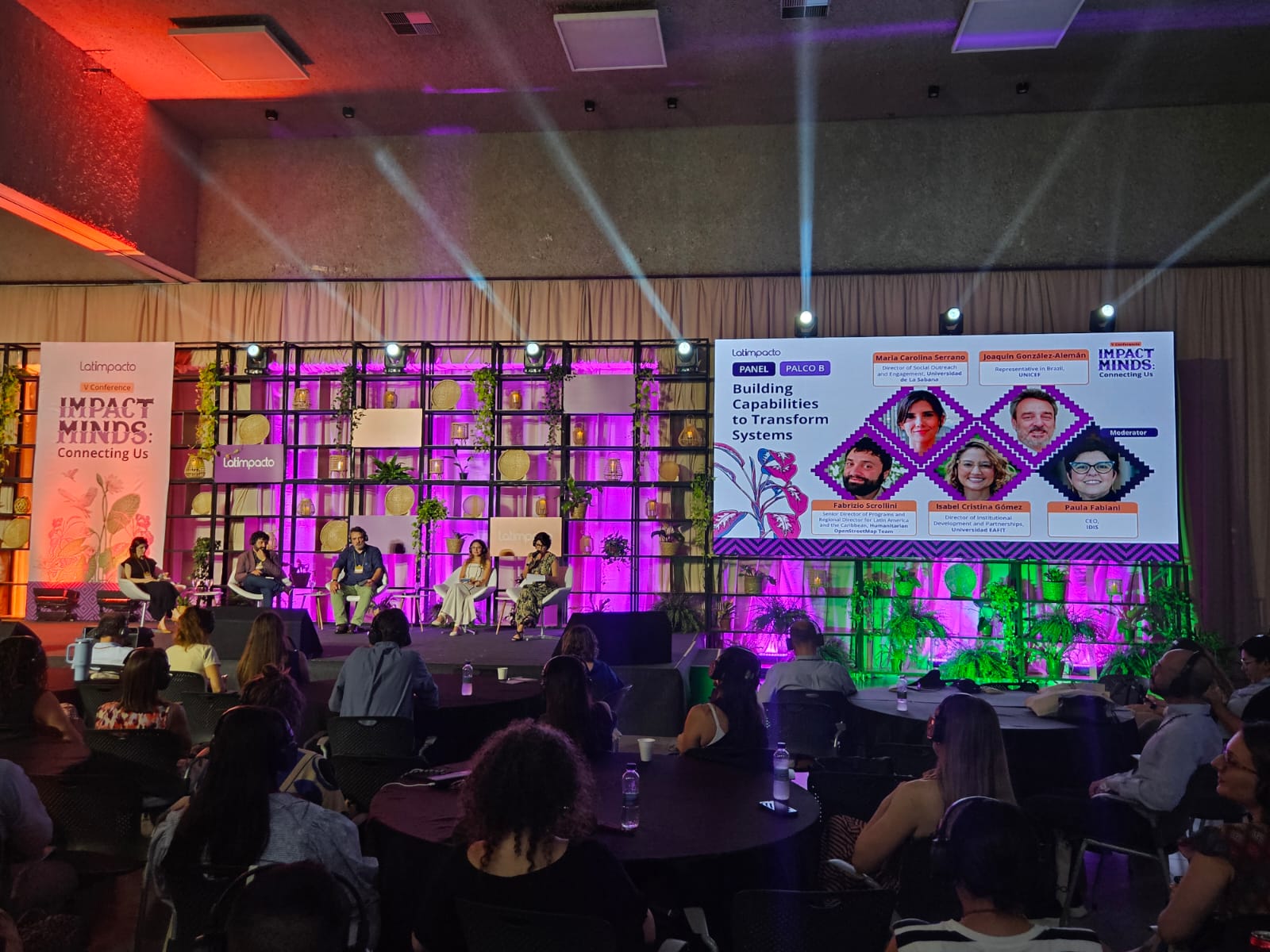
“Building Capacities to Transform Systems” panel, featuring Paula Fabiani
The discussion also emphasized the importance of sharing evidence to inform collective decision-making. Another central point was the need to recognize communities — including those that remain beyond the reach of existing support networks — as co-creators of solutions. Systems change requires the humility to acknowledge that no one can achieve it alone, as well as the patience to sustain processes whose results may take time to emerge.
During the panel “Building Alliances for Impact,” Guilherme Sylos, IDIS Partnerships and Business Development Director, addressed the challenges of putting collaboration into practice. Knowing your partners and understanding their expectations is essential, as is a willingness to move beyond individual agendas. As examples of initiatives built on this approach, he highlighted Together for Health, a BNDES program managed by IDIS, and Juntos Contra a Pobreza, a Vale initiative also managed by IDIS.
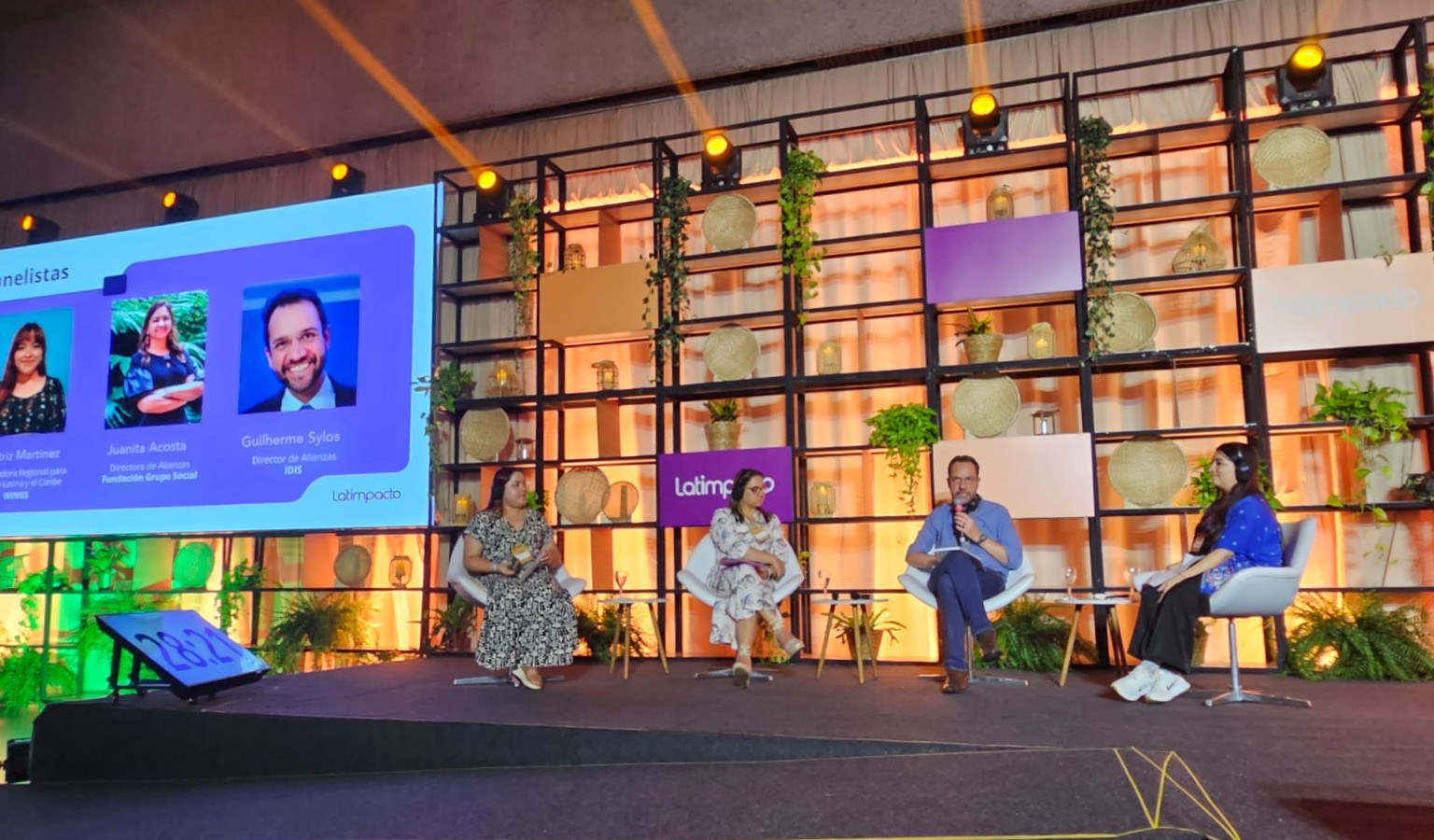
“Building Alliances for Impact” panel, featuring Guilherme Sylos
These experie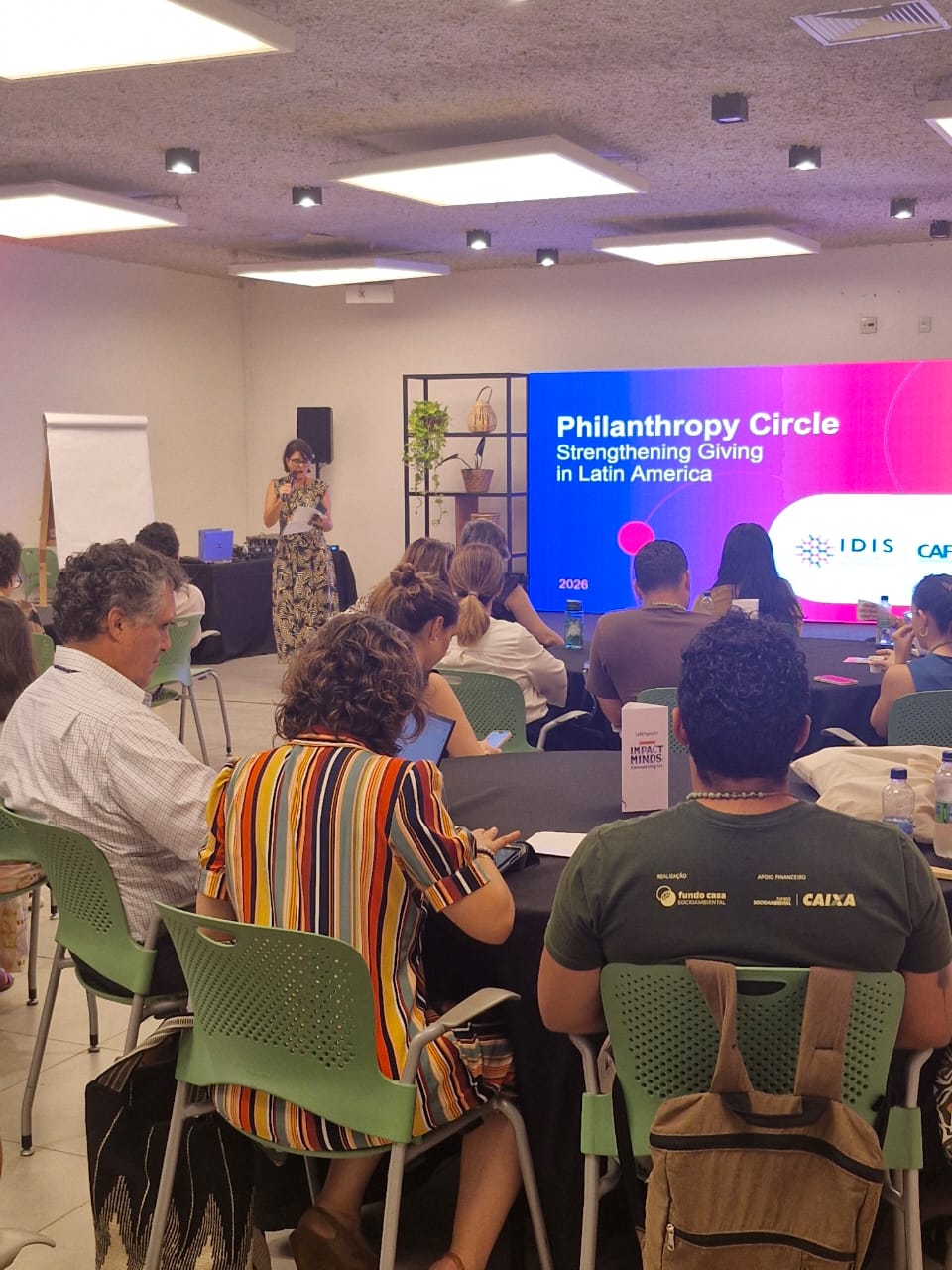 nces demonstrate that alliances cannot be sustained solely by pooling resources or formalizing commitments. Trust must be built both among organizations and with local communities. When individual interests and competition for visibility take precedence over a shared purpose, the potential for transformation diminishes. Collaboration means putting collective outcomes ahead of individual recognition.
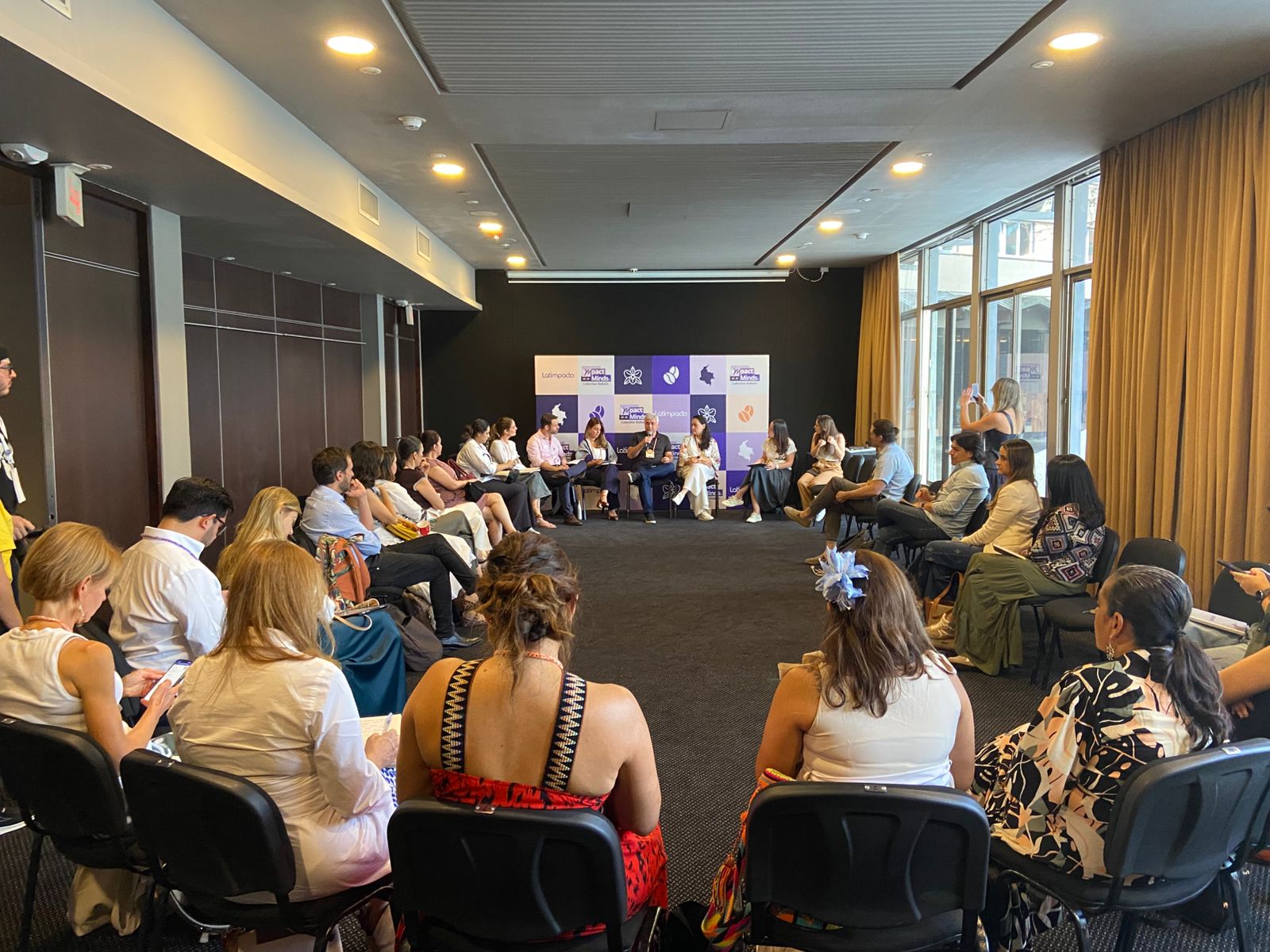
Paula also facilitated the workshop “Philanthropy Circle: Strengthening Giving in Latin America.” The session sought to connect resource mobilization with relationship-building, trust in organizations, and peer learning, with the goal of fostering more strategic and collaborative philanthropy.
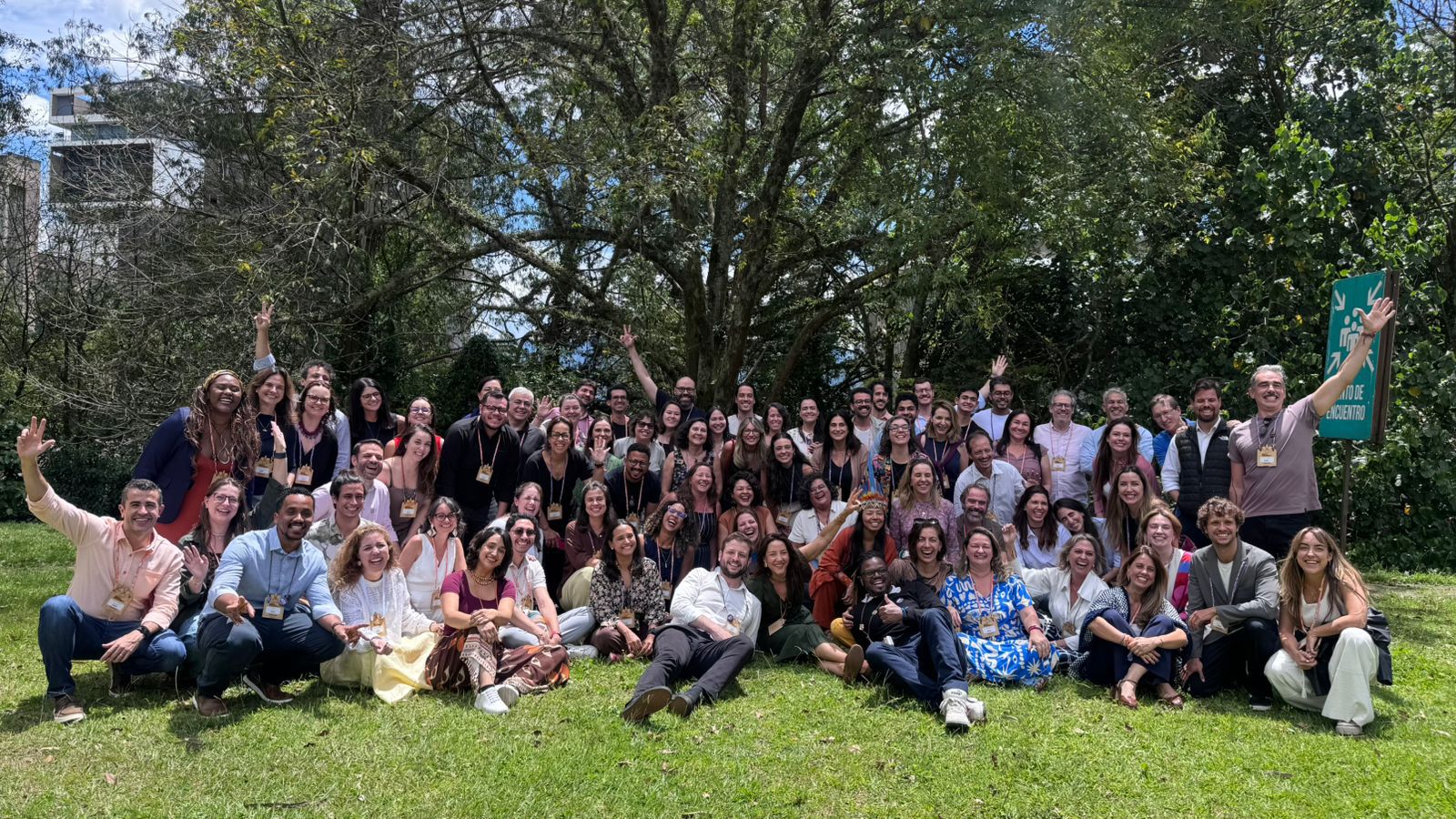
The Transforming Territories team also participated in the Latimpacto conference alongside the CIAF (Comunidad Iberoamericana de Aprendizaje de la Filantropía Comunitaria) delegation, an Ibero-American collaborative network spanning seven countries. It was particularly valuable to see how closely the discussions over these days resonated with the path being built by place-based community philanthropy.
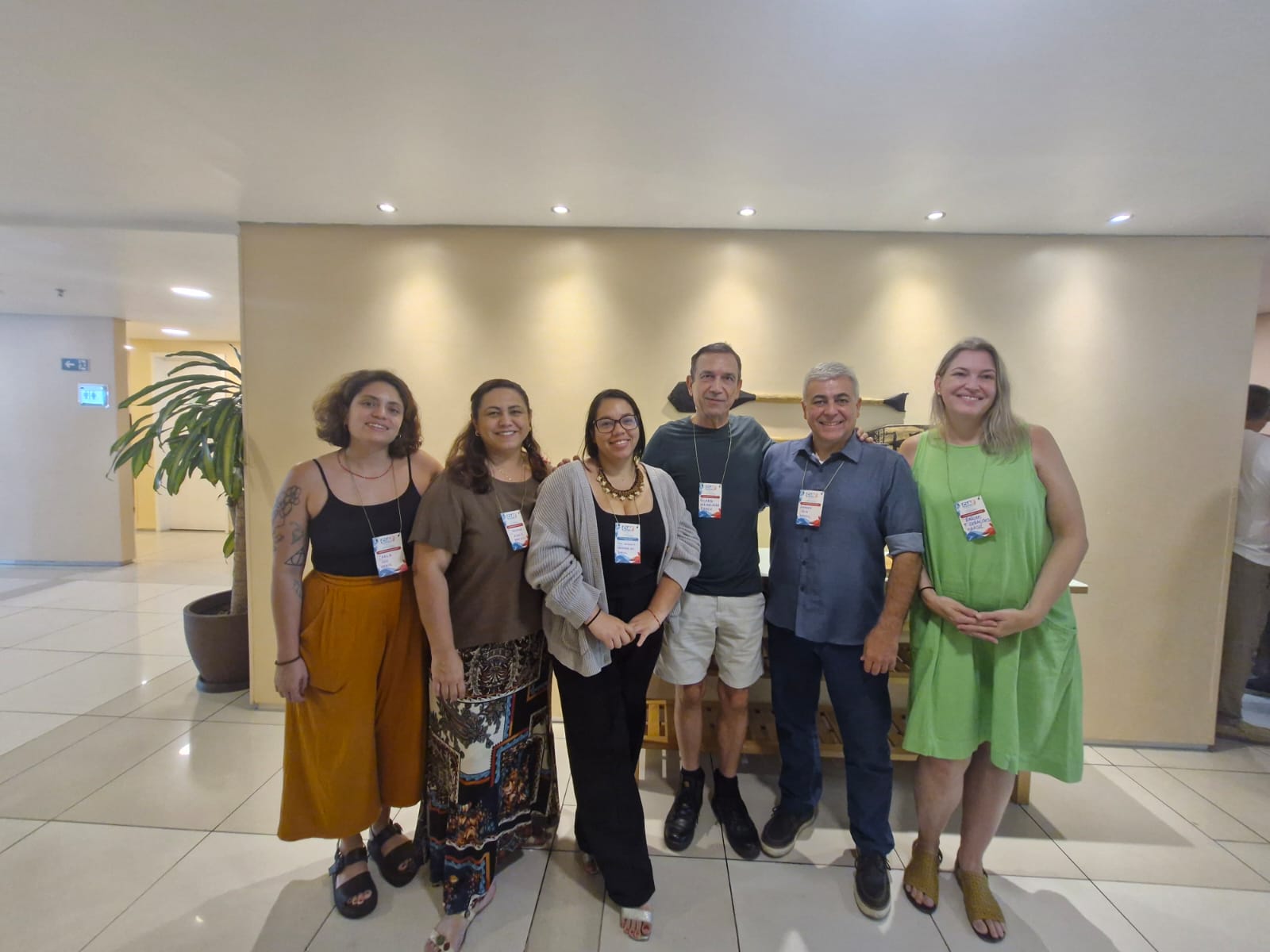
Transforming Territories and CIAF teams
Trust, collaboration, capacity building and, above all, the need to ensure that resources reach communities in ways that respect their local realities emerged across many conversations. This reinforces the importance of local organizations that can connect stakeholders, resources, and knowledge while recognizing communities as active participants in decision-making. It also leads us to recognize that we have concrete experiences to share and contributions to make to this debate across the region.
On another occasion during the conference, IDIS and UNICEF Brazil hosted a dinner bringing together people and organizations that, in different ways, contribute to addressing inequalities in Brazil.
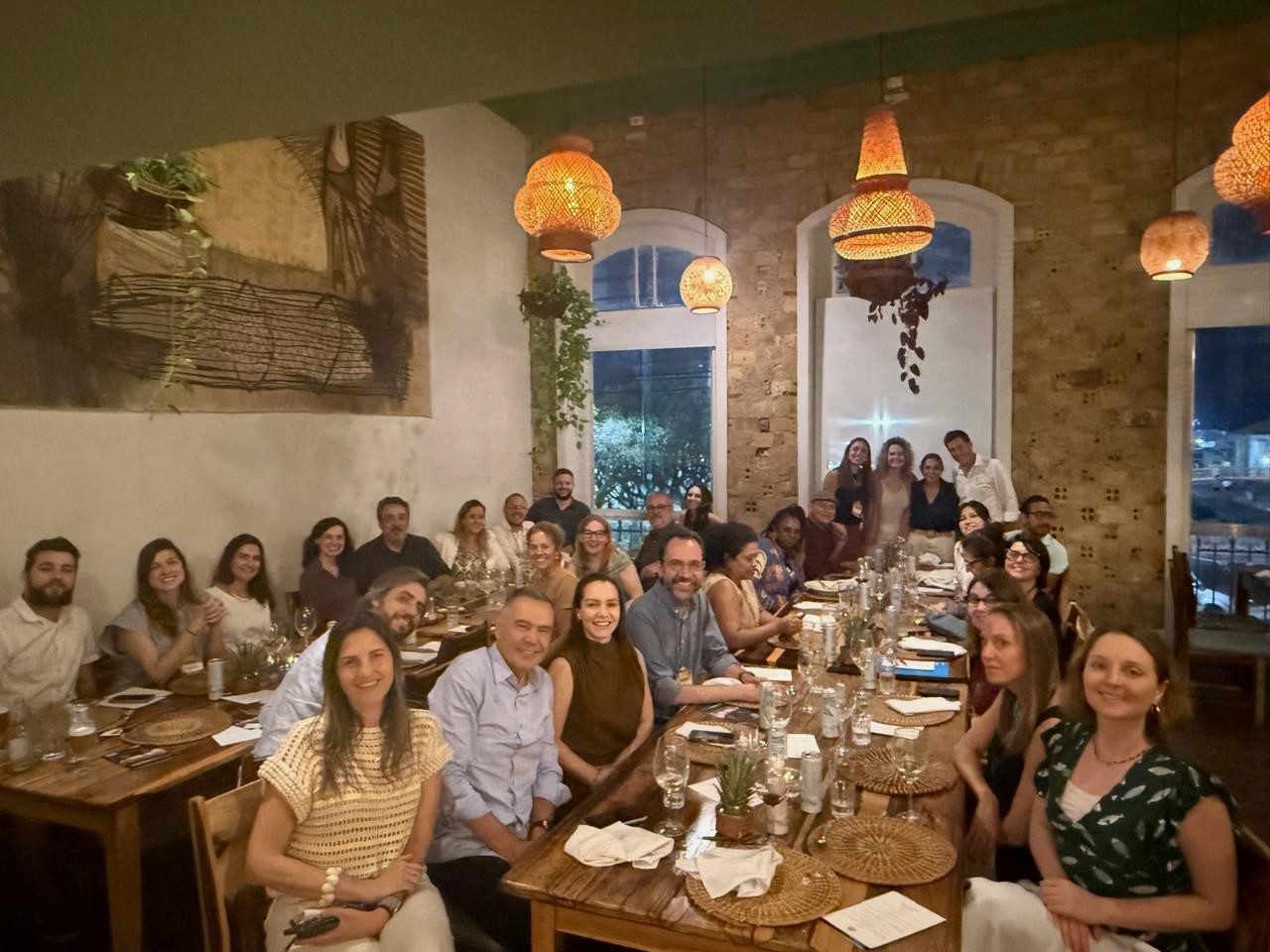
Dinner hosted by IDIS and UNICEF Brazil
Learning from Local Communities
These reflections continued in other panels. “Innovative Finance for a Changing World” highlighted the need to bring available capital closer to local needs. Meanwhile, “Building Futures” underscored an important distinction: ensuring that local communities participate is not the same as including them in decision-making. Co-creating solutions requires recognizing communities’ ability to define their own priorities and build greater autonomy.
In the panel “Local Development: Connecting Stakeholders to Multiply the Impact of Capital,” participants were invited to look at the strengths and potential of local communities, rather than focusing solely on their needs and shortcomings. Thinking about development means considering what already exists and what kind of future communities themselves want to build.
My main takeaway from Impact Minds 2026 is that expanding the impact of philanthropy requires strengthening the relationships that make that impact possible. For IDIS, this means continuing to connect stakeholders, share knowledge, and build alliances without losing sight of who should be at the center of decision-making. Rather than bringing ready-made answers to communities, we need to learn from them and create the conditions for their own solutions to thrive over the long term.