Community Philanthropy is the theme of the Transforming Territories Program Web Series
Who is responsible for transforming territories?

With an invitation to reflect on this question, IDIS – Institute for the Development of Social Investment, together with the collective of Community Foundations (CFs), launched the Transforming Territories Web Series. The production brings real stories of impact, belonging, and community leadership promoted by CFs in different regions of Brazil. There are 14 episodes focused on transformation within the territories of participating organizations, covering cities such as Manaus, São Paulo, Maceió, Porto Alegre, and many other metropolitan areas.

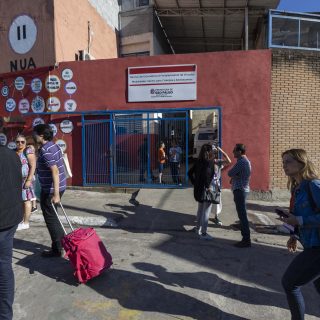
One of the episodes highlights the work of Instituto Cacimba, which operates in Jardim Ângela, São Paulo (SP), acting as a bridge between youth, local culture, and the construction of collective solutions for the territory. The episode also features the work of Escola de DesNegócio, a project by Instituto NUA supported by Cacimba, whose goal is to train, support, and accelerate businesses in the urban periphery, boosting entrepreneurship and the local economy through the generation of shared wealth for the territory and its community.

“We believe community philanthropy can be an important driver of social transformation in Brazil. While it is already well established abroad, we had to ‘jaboticabar’ this model to fit our Brazilian reality. The launch of this web series is a major milestone for the Transforming Territories program and for all the organizations that take part in it. Through these videos, we can see the scope of action of Brazilian Community Foundations and the diversity present in each of their territories. This web series was built collaboratively with the FICs, which made it even more remarkable,” says Paula Fabiani, CEO of IDIS.

Paula Fabiani with organizational leaders during a meeting held in March

The web series presents initiatives developed by organizations that are deeply familiar with the challenges and opportunities of their territories, working through dialogue, listening, and community mobilization. They are:

Alagoas: Mundaú Mundo

Amazonas: Manauara Associação Comunitária

Espírito Santo: FUNDAES – Federação das Fundações e Associações do Espírito Santo

MaranhãoInstituto Baixada Maranhense

Minas Gerais: Associação Nossa Cidade e JEQUI – Instituto Comunitário de Desenvolvimento e Inovação do Vale do Jequitinhonha

Rio de Janeiro: Fundo Comunitário da Maré e Instituto Comunitário Paraty

Rio Grande do Sul: Fundação Gerações

São Paulo: Fundo Comunitário Perifasul M’Boi Mirim, FEAV – Fórum das Entidades Assistenciais de Valinhos e Instituto Cacimba

Santa CatarinaICOM – Instituto Comunitário Grande Florianópolis

Sergipe: ICOSE – Instituto Comunitário de Sergipe

The production, supported by Movimento Bem Maior, is part of the Transforming Territories program, an initiative by IDIS in partnership with the Charles Stewart Mott Foundation, which promotes the creation and strengthening of Community Foundations in Brazil. The program’s purpose is to foster local development through collaborative, transparent strategies aligned with the real needs of the population.

ABOUT TRANSFORMANDO TERRITÓRIOS

The Transformando Territórios Program is an initiative of IDIS – Institute for the Development of Social Investment and the Charles Stewart Mott Foundation to foster the creation and strengthening of Community Foundations (CFs) in Brazil. It does so through donor and civil society engagement, knowledge sharing, and technical support.

Learn more about the program and its participants at www.transformandoterritorios.org.br.

Philea 2025: Equality in Focus, Justice on the Horizon

By Luisa Lima, Communications and Knowledge Manager at IDIS and organizer of the Brazilian Philanthropy Forum.

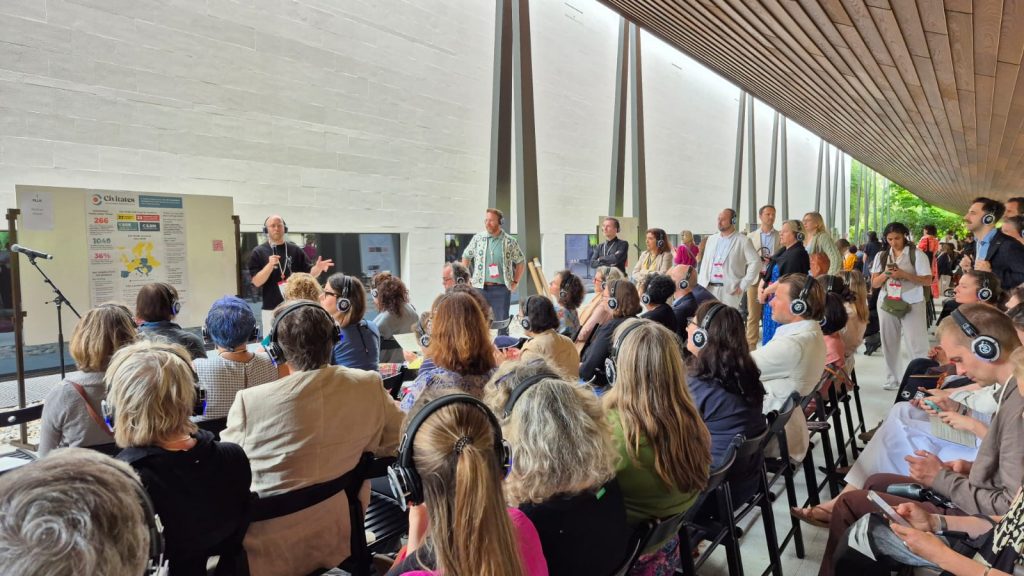
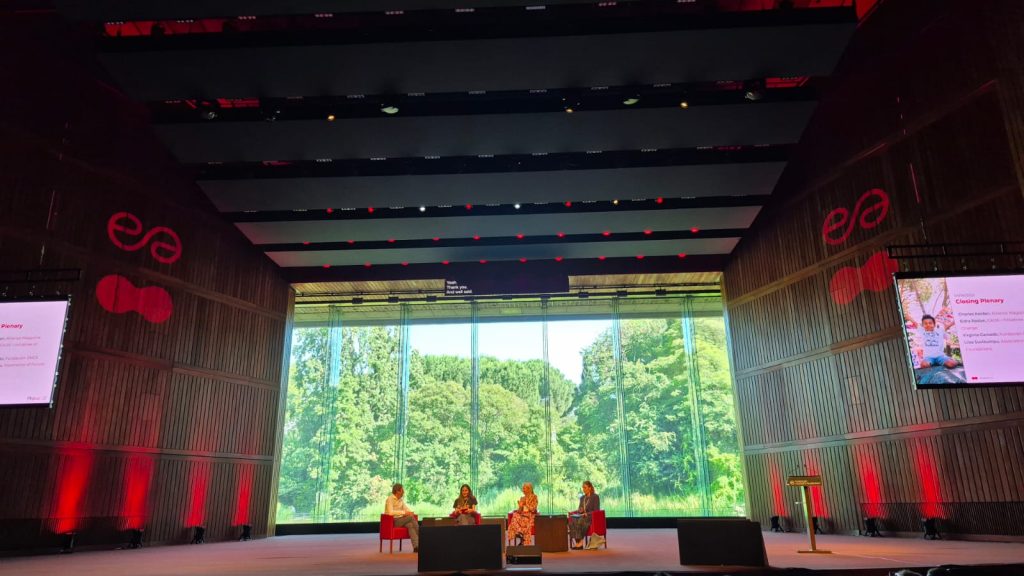
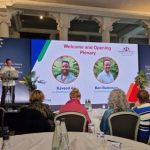
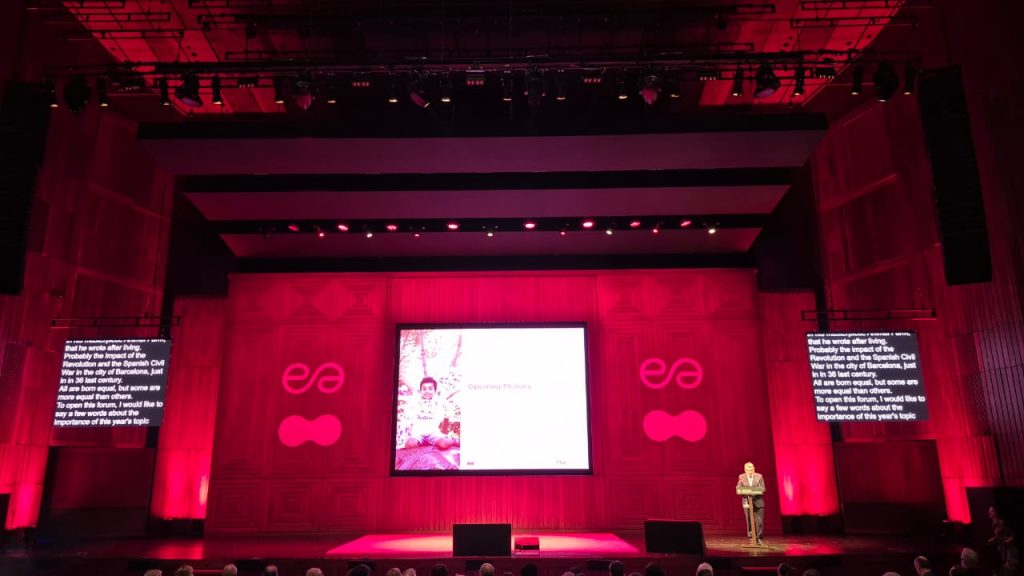
The opening plenary of the annual meeting of the Philanthropy Europe Association brought together nearly one thousand individuals, including foundation members and representatives of intermediary organizations, predominantly from across Europe, but also from other parts of the world, like myself. These were people united by a shared belief that the world can improve, that innovative approaches are possible, and that our actions have the power to create positive impacts and drive transformation. It was fitting that the starting point for the event was the global challenges we face today — issues that demand urgent action. Despite the growth in wealth, we continue to witness deepening inequalities, the rise of racism and intolerance, disengagement from public life, climate change, wars, and genocides. Such daunting realities, may be paralyzing, but we were almost one thousand people who refused to do so, and the event was the place to exchange experiences, learn, connect and reaffirm the notion that we are not alone in striving for change.

This marked my first attendance at the Philea Forum, and I was pleased to see debates revolving around questions similar to those we grapple with in Brazil—yet approached from different perspectives and yielding diverse answers. The guiding theme of this edition, “Power and Equality: A Balancing Act”, framed discussions on funding models, democratic governance, power dynamics, enterprise foundations, impact investment, intersectoral collaboration, and impact evaluation, among others. All of these topics were infused with the idea that philanthropy infrastructure has the potential to drive meaningful change. Unfortunately, attending all the sessions was not possible, as many ran simultaneously.

One discussion that particularly resonated with me was about the significance of funding communities and grassroots organizations. There appears to be a prevailing sense of urgency—a call to “think and act simultaneously,” as articulated by Bruno Maçães, Senior Advisor at Flint Global, and “go where it matters”. This underscores the importance of supporting those on the ground—community foundations, social movements, and leaders striving to transform systems. In multiple sessions, I heard about the necessity of fostering trust and embracing risks, acknowledging that less control comes with these approaches. Flexible funding, long-term commitments, and contributions beyond financial resources were recurring themes. Philanthropists possess connections, networks, knowledge, influence, and more—valuable assets that can be leveraged for greater impact. Collaboration emerged as a compelling strategy to accelerate progress, with inspiring examples of successful initiatives shared throughout the event. At IDIS, in partnership with the Mott Foundation, we have been leading the Transforming Territories program since 2021, a network that now comprises 15 community foundations and institutes operating with a geographic focus. Initially, the concept had to be introduced in Brazil, and it has since undergone significant maturation.

Philanthropy, as Adama Sanneh, co-founder and CEO of the Moleskine Foundation, aptly stated, “is a means, and we should aim to do something useful.” It is neither static nor evolving in a straight path. Philanthropy must have direction, yet remain adaptable and responsive to the challenges faced by societies. As discussions highlighted, no problem is ever definitively resolved. Issues like gender equality or the strengthening of democracy, though advancing, illustrate that progress cannot be taken for granted.

I often leave such gatherings feeling reenergized. Beyond the insights and inspirations, they offer reassurance in the existence of a committed community, ready to collaborate and united by shared goals and ideals. Interestingly, I also appreciate encountering more questions than answers — they are rarely straightforward or obvious. Thoughtful questions are invaluable, serving as catalysts to explore localized solutions upon returning home.

A few quotes that stayed with me:

“To change the world we must take risks and be dreamers.” Mall Hellam, Executive Director, CEO of the Open Estonia Foundation

“Most of the models have been invented; they must now be applied. Walk the talk and accelerate localization.” Alejandro Álvarez von Gustedt, Vice President, Europe of the Rockefeller Philanthropy Advisors

“Trust is the air we breathe, and if we don’t have it, we are socially dead.” António M. Feijó, President of the Board of Trustees of the Calouste Gulbenkian Foundation

“To be conscious is to be uncomfortable all the time. It is the start of a learning journey.” Adama Sanneh, Co-founder & CEO of the Moleskine Foundation

Perspectives from Brazilian philanthropy that inspire global practices

Article originally published in WINGS, 28/05/2025

By Luisa Lima, Communication and Knowledge Manager at IDIS

In a time of global uncertainty marked by social fragmentation, economic volatility, and pressures on democratic institutions, it’s easy to feel detached from the possibility of collective transformation. In such moments, it helps to look at practices that, while not perfect or universally applicable, offer useful directions.

Rather than becoming paralysed by complexity, many actors in Brazil’s philanthropic ecosystem are experimenting with bold and adaptive strategies. The annual report ‘Perspectives for Brazilian Philanthropy’, released by the Institute for the Development of Social Investment (IDIS), highlights six key trends shaping the philanthropy landscape in 2025. These trends reflect urgency, creativity and, above all, hope in action – showing how Brazilian philanthropy is responding to national challenges, while offering ideas that may resonate beyond its borders.

Like many countries, Brazil is increasingly affected by climate change and its implications. Floods, droughts, and storms are becoming more frequent and severe, often overwhelming the capacities of public and private sectors to respond. In this context, a growing number of philanthropic efforts are moving from reactive aid toward more structured and systemic strategies. Local Community Foundations (CFs), such as Fundação Gerações and ICOM, are helping lead this shift, creating rapid-response funds that mobilise local knowledge, donor networks, and public-sector partnerships to provide both immediate relief and long-term recovery.

One example is the RegeneraRS Emergency Fund, created after the May 2024 devastating floods in Rio Grande do Sul, a state in the deep South of Brazil. The disaster affected 496 cities, displaced more than 150,000 people, and temporarily shut down the state’s main airport. The fund blends philanthropic capital with credit tools1 to support small businesses and rebuild affected areas, a locally rooted model with potential relevance for climate-vulnerable regions elsewhere.

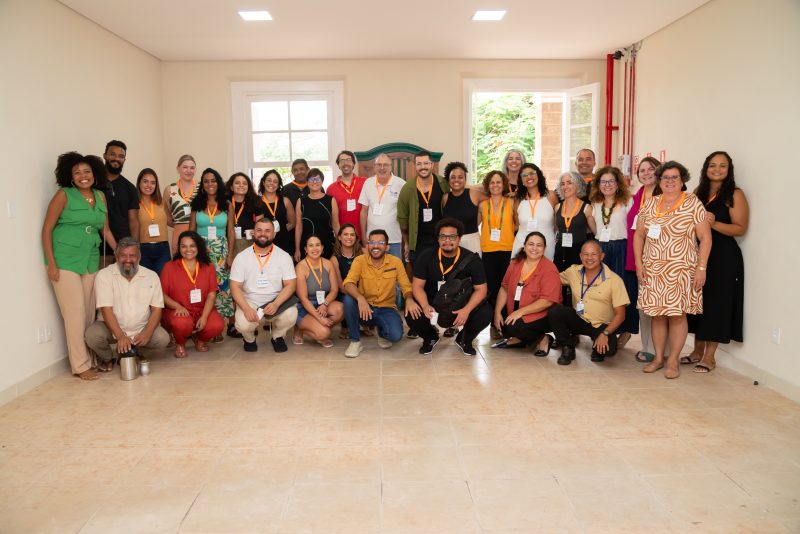
Transforming Territories leadership meeting 2025. Photo by André Porto.

Mental health is another critical issue. Brazil faces high rates of psychological distress, and burnout is increasingly common among civil society leaders and workers, especially those from historically marginalised groups. Local organisations are beginning to prioritise a ‘culture of care’, creating spaces for emotional reflection, peer support, and institutional deceleration. While these efforts are still emerging, they point to a global truth: social impact work cannot continue without emotional sustainability. The philanthropy sector must consider embracing mental well-being as a programme area and the basis for civic engagement.

Institutional capacity is also gaining prominence. In Brazil, the conversation around capacity building has evolved beyond technical skills to include strategic governance, leadership development, sustainable funding models, and adaptation to shifting regulations. Supported by actors such as IDIS, GIFE, and BTG Soma, many organisations are undergoing internal transformations. Flexible funding from donors like Movimento Bem Maior and Instituto ACP further reinforces this shift, emphasising trust and long-term resilience over short-term project outputs. Strengthening the backbone of an organisation, rather than just its front-line programmes, is proving essential to meaningful, sustained change.

Volunteerism, too, is being reimagined. Once limited to direct engagement with specific programmes, volunteering in Brazil is increasingly integrated into decision-making and governance. A notable example comes from the São Paulo Museum of Art (MASP), the largest museum in Latin America. There, a governance overhaul brought business leaders and professionals onto the board, enabling a financial turnaround, the creation of an endowment fund, and a major operational expansion. This approach to strategic volunteerism offers lessons for other philanthropic ecosystems aiming to build institutional resilience and bridge sectors.

In contrast to some parts of the world experiencing political backlash against diversity and inclusion, Brazil continues to see important progress, albeit not without resistance. Initiatives like the Pact for Racial Equity are using ESG metrics to hold companies accountable, while large institutions such as Itaú Bank have committed to public targets and substantial investment in Diversity and Inclusion. These actions demonstrate how philanthropy can uphold inclusive values, even when political environments are unfavourable. In this context, resistance is not reactionary; it is regenerative.

Finally, the practice of private social investment is spreading. Historically driven by large corporations, the field is now seeing increased participation from small and medium enterprises (SMEs), which make up over 90% of businesses in Brazil. Programmes like Commitment 1%, inspired by the global Pledge 1% movement, encourage SMEs to allocate a share of profits to community development. New regulations, such as CVM Resolution No. 193 mandating sustainability disclosures by 2026, are also nudging smaller businesses toward more socially responsible practices.

Together, these developments reflect an ecosystem in motion, not by universal breakthroughs, but by meaningful experimentation, adaptation, and commitment. Brazilian philanthropy offers signals from a complex and deeply unequal society navigating profound change.

The question for global philanthropy is not whether to replicate these efforts, but how to draw from them, translating local insights into broader strategies that are just as bold, inclusive, and resilient as the challenges we all face.

1. The structure catalyses other initiatives on housing, education, business, and urban regeneration, by making donations and absorbing the risks. It’s the ‘fund of funds’.

Community leaders from Brazil, Mexico, Peru, and Chile participate in exchanges to enhance their work in local territories

Peer learning is one of the key principles of the Transforming Territories Program, which supports the strengthening of 15 community foundations (CFs) focused on specific territories in ten states and four regions of Brazil. With the aim of expanding this collaboration beyond Brazil’s borders, leaders from the CFs participating in the program will engage in exchanges with leaders from Latin American community foundations, such as Fundación Punta de Mita (Mexico) and Fundación Comunitaria Cajamarca (Peru). In addition to these exchanges between foundations and community institutes, IDIS will organize an exchange with a supporting organization from Chile, Comunidad Organizaciones Solidarias. This initiative is made possible through a partnership with Conectando Comunidades en América (CCA), an institutional partner of the program.

Learn more about what community foundations and institutes are

The exchanges, however, are not limited to the international scope. There will also be exchanges between Brazilian FICs, promoting a deeper understanding of the territories and broadening access to knowledge generated by local practices. This exchange of experiences between different realities strengthens the support network and the articulation of practices that benefit the involved communities.

Among the objectives of knowledge exchanges with support organizations is learning about building networks of community/territorial foundations, as well as exchanging experiences on the implementation processes of FICs in different contexts, such as those in Brazil and Chile.

“Participating in the exchange of practices and mutual learning between Community Foundationsn is essential to expand local impact and strengthen collective articulation. By observing how social technologies are applied in different contexts and how they can be adapted to local realities, we see the transformative power of collaboration. These learning visits not only expand horizons but also reinforce the importance of building support networks that create broader and more lasting impacts,” says Rosana Ferraioulo, program manager for Transforming Territories

Visits to the territories bring additional layers to the exchanges, which have already begun virtually with foreign organizations. The first of these trips is scheduled for March, when representatives from the Chilean support organization, Comunidad Organizaciones Solidarias, will participate in a meeting with organizations involved in the Transformando Territórios program.

Throughout 2025, representatives from various FICs will make specific visits: Mundaú Mundo (Alagoas) will visit Fundación Comunitaria Cajamarca (Peru), while Instituto Comunitário Paraty (Paraty, RJ) will visit Fundación Punta de Mita (Mexico). Nationally, there will be exchanges between FEAV (Valinhos, SP), FUNDAES (Espírito Santo), and ICOSE (Sergipe).

Paula Fabiani visits Instituto Comunitário Paraty and their supported local initiatives

Community foundations and institutes, due to their nature of varied causes and focus on the needs and potential of the territory, generate a significant positive impact on the communities where they operate. The CEO of IDIS, Paula Fabiani, had the opportunity to experience this model during her visit to Paraty, where she gained a deeper understanding of the Instituto Comunitário Paraty (ICP).

ICP plays a crucial role in promoting community and territorial development by collaborating within a network, engaging with local social actors, and supporting initiatives in the city’s socio-educational and socio-environmental ecosystem. This model has been gaining increasing strength in Brazil.

During her immersion in the territory, Paula was accompanied by ICP leaders Andreia Estrella and Ricardo Zuppi and was in contact with projects from social organizations that are part of the ICP network.

“Having this exchange with Paula was an experience that brought us a series of positive feelings and insights. We explained how the process of creating the Institute happened, how we initially started gathering as an unofficial network to try to solve problems together. And the support from IDIS was fundamental for us to become an actual institution,” says Ricardo Zuppi.

The meeting was about sharing experiences and learning with each other

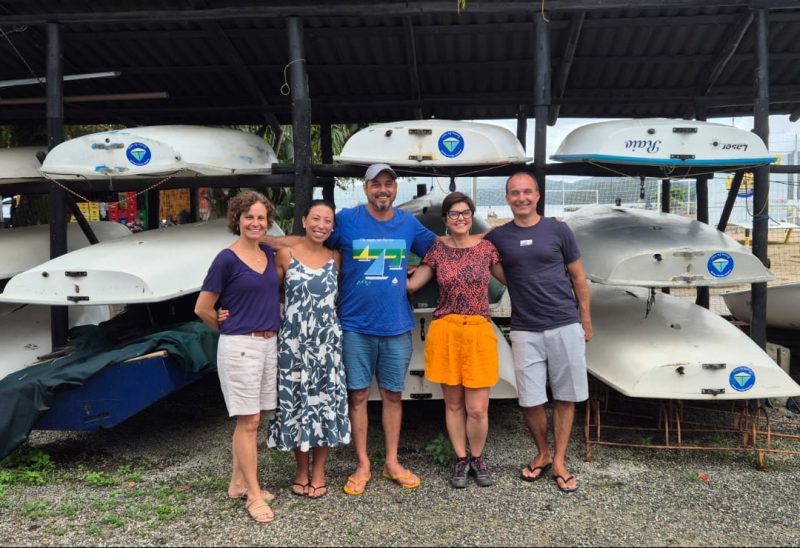
One of the stops during the visit was the Instituto Náutico Paraty, an educational and sports project that has been promoting social transformation in the city for 25 years by teaching sailing to children and young people in situations of social vulnerability. The initiative was founded and is led by Gibrail Rameck Junior. Another initiative visited was Rede Alegrias, which includes a project related to the Banco Comunitário (in english, Community Bank). This initiative, led by Instituto Social Rural Jardim do Beija Flor and coordinated by Mônica Calderón, strengthens the local solidarity economy, promotes financial inclusion, and encourages the circulation of the community currency “Alegrias”, driving sustainable development and community well-being.

ICP is supported by IDIS – Institute for the Development of Social Investment through the Transforming Territories program. This initiative by IDIS, with support from the Charles Stewart Mott Foundation, fosters the creation and strengthening of Community Institutes and Foundations in Brazil by engaging donors and civil society, sharing knowledge, and providing technical support.

“Getting to know the work of Instituto Comunitário Paraty was an inspiring experience. It reaffirms the concept that community institutes and foundations are essential for local development, as they work directly on the needs of the territory. It is rewarding to see firsthand the impact of the Transforming Territories program and support this journey,” says Paula Fabiani.

IDIS, FEAC, and FEAV participate in conference with global community leaders in England

By Rosana Ferraiuolo, Project Manager at IDIS

Organized by UK Community Foundations (UKCF), the event ‘Foundations for the Future – Investing in Communities’ brought together organizations participating in the Transformando Territórios program with community foundations and institutes from various countries.

Community Foundations and Institutes have enormous potential to drive the development of the territories in which they operate, strengthening local communities in a systemic, legitimate, and sustainable manner.

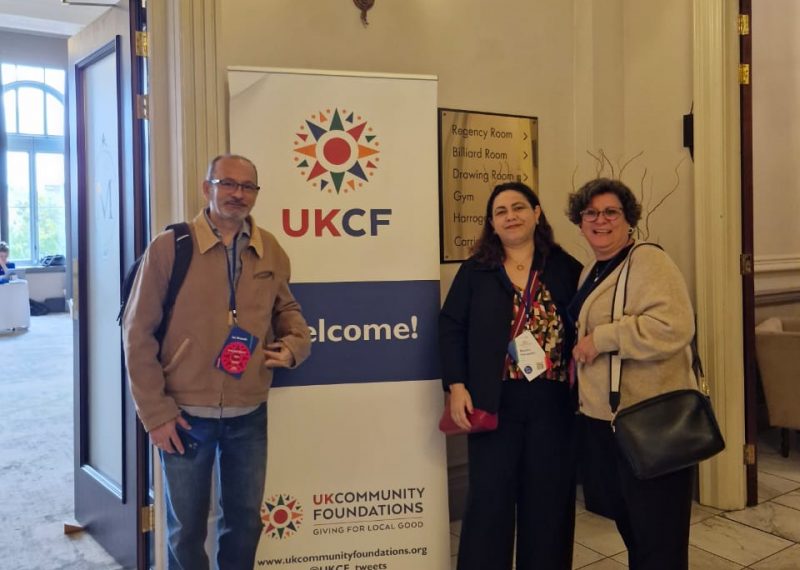
This was the central theme of the UK Community Foundations (UKCF) Conference, an organization that brings together community foundations from the United Kingdom, which took place between October 8 and 10 this year. The conference hosted over 300 representatives and community leaders from various regions and countries. The discussions centered on the future of community-based philanthropic investments and their role in building resilient, inclusive, and sustainable communities.

To represent Brazil and the Transforming Territories program, members of the initiative traveled to Harrogate, England. Present at the event were Eliane Macari, president of FEAV – Forum of Assistance Entities of Valinhos, Jair Resende, socio-educational superintendent at the FEAC Foundation, and Rosana Ferraiuolo, IDIS manager and Program Manager of Transforming Territories.

The FEAV and the FEAC Foundation are part of the Transformando Territórios Program, an initiative of IDIS in partnership with the Charles Stewart Mott Foundation. The initiative was created to foster the creation and strengthening of Community Foundations (FICs) in Brazil, engaging donors and civil society, sharing knowledge, and providing technical support.

“Participating in the Conference was definitely worthwhile! It is the real and true concept and application of community foundations and territories. It’s clear that the Community Foundations in the United Kingdom are organized to support this, whether they are small, rural, or large”, said Eliane Macari, president of FEAV.


A Look at the Future of Community Philanthropy

During the three-day event, community philanthropy experts from around the world gathered to delve into topics such as strategic philanthropy, social innovation, climate and environmental justice, youth collaboration, social justice, artificial intelligence, and other relevant issues. The central theme of the conference was “Foundations for the Future: Investing in Communities.”

“We had the opportunity to see many topics being discussed, things we aren’t even thinking about here. One of the things that really impressed me was the use of artificial intelligence as a decision-making tool, helping with document systematization, indicators, and so on”, said Jair Resende, socio-educational superintendent at the FEAC Foundation.

The program, which encouraged the exchange of experiences among participants, provided a valuable opportunity to reflect on common challenges and opportunities while being inspired by each other’s work. The integration among community leaders also fostered knowledge sharing between representatives from countries such as the United Kingdom, Africa, Romania, Serbia, Germany, Argentina, and others.

This approach highlighted fundamental aspects of collective development in networks and the strengthening of relationships with communities, such as the importance of collective insights and building relationships based on trust and listening.

“Representing the Transformando Territórios Program at this conference was essential for strengthening our connection with Community Foundations from various countries. Sharing Brazil’s experience and learning directly about their practices and inspirations, both in sessions and in individual and collective conversations, was an enriching opportunity that gave us inspiration for the development of FICs in Brazil”, said Rosana Ferraiulo, manager of the Transformando Territórios Program.


About Transforming Territories

The Transforming Territories Program is an IDIS initiative, in partnership with the Charles Stewart Mott Foundation, for promoting the creation and strengthening of community institutes and foundations in Brazil, with the engagement of donors and civil society, knowledge sharing and technical support.

Learn more about the program and the participants at www.transformandoterritorios.org.br

Transforming Territories Seminar brings together over 30 community leaders from Brazil

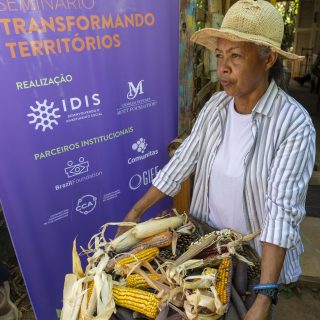
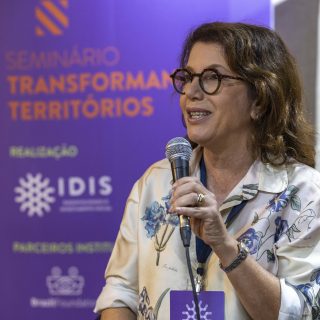
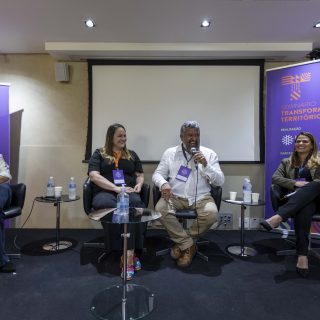
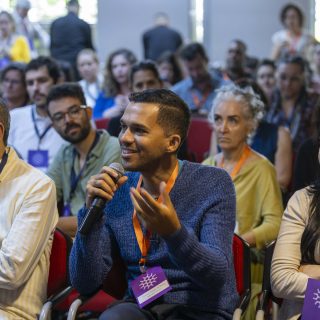
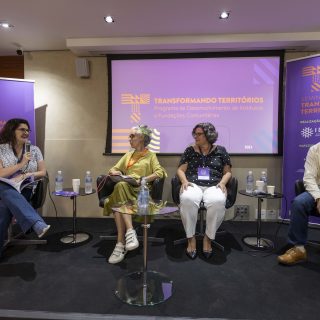
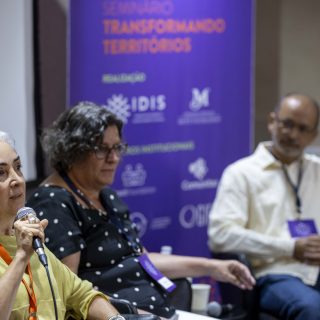
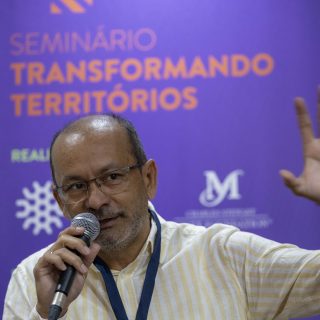
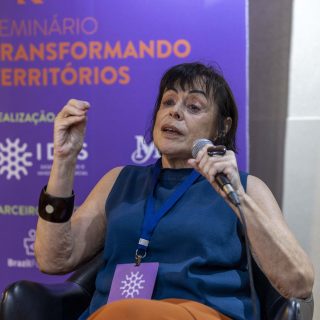
The Transforming Territories Seminar, held in September at São Paulo, aimed to foster peer learning among representatives of Community Foundations (CFs) that are participants of the Transforming Territories Program, an impact project conducted by IDIS in partnership with the C.S. Mott Foundation. With visits to supported projects, lectures, and training sessions, the seminar provided an opportunity to deepen the understanding of a fundamental theme: the transformative power of these organizations in Brazil. The meeting also included the participation of the Brazilian Philanthropy Forum.

In its second edition, the event had the participation of over 60 individuals, including leaders of CFs, philanthropists, partners, and supporters committed to the cause.

“The three days were important for connections, benchmarking, and expanding perspectives, processes, and possibilities”, summarized one of the participants.


“The Seminar was very special, especially because it was highly interactive. I believe in this collective construction for Transforming Territories for the coming years”, commented another participant anonymously in the event evaluations.


Inspiration and Example: A Visit to Cacimba Institute

It is not possible to visit São Miguel Paulista, a periferic neighborhood on the east of the city of São Paulo, and don´t notice the impact of the projects supported by Cacimba Institute. The organization has been part of Transforming Territories program since 2020, and can be considered one of the pioneer CFs at São Paulo. Cacimba was established with the support of the program and built on the solid trust that community leader Hermes de Souza had in the region. Since then, Souza has been at the helm of the Institute. Emphasizing the importance of inspiring action, the visit marked the opening of the seminar.

Throughout the day, social projects supported by Cacimba in the region were showcased. Many of them received guidance from leader Hermes de Souza and are now supported by the Institute.

Learning and Training: a constant

In the afternoon, the group took part in the “Diversity and Human Rights” workshop, offered by Clara Serva, partner in the Business and Human Rights department of the law firm TozziniFreire, and Maria Paula Bonifácio Custódio, a lawyer in the same department.

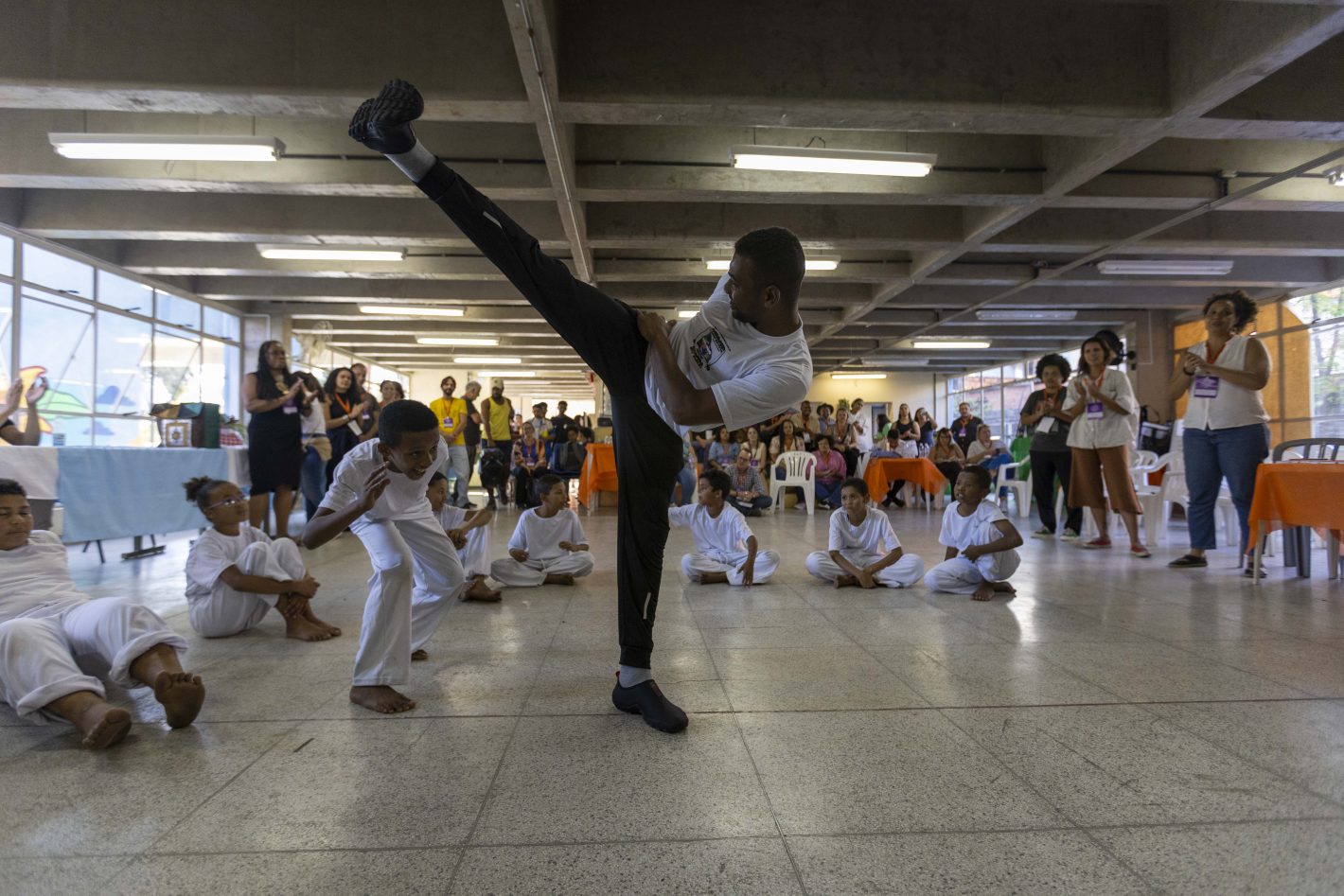
Between the moments of sharing experiences and breaks, there were cultural dance performances by projects from the NUA Institute, led by local individuals.

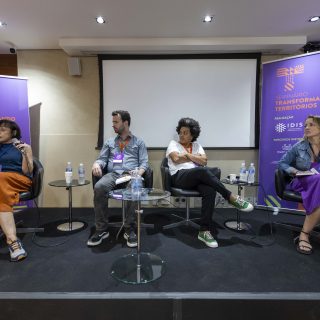
On the second day of the Seminar, lectures and discussions highlighted the relevance and actions of CFs in their territories, and many experiences were shared. The meeting took place at the Comunitas headquarters, which provides institutional support to Transforming Territories.

Here are the highlights from the four panels that were part of the event.

Panel 1: GREAT IMPACT FROM SMALL DONATIONS: ENHANCING CHANGE WITH SIGNIFICANT CONTRIBUTIONS

This panel featured speakers Elio Raymundo (President of the Network of Good Organizations), Thais Almeida (Executive Secretary of the Espraiada Institute), Alânia Cerqueira (Leader of the M’Boi Community Fund), and moderation by Pâmela Ribeiro (Coordinator of Special Projects at GIFE).

The panel brought new perspectives on how supporting small local initiatives can generate significant social and environmental transformations, highlighting the potential of funds dedicated to micro-projects and seed capital for community strengthening, especially in regions where resources are concentrated in large organizations.

Elio Raymundo, President of the Network of Good, which operates in the metropolitan region of Rio de Janeiro, emphasized how projects that receive small financial support can achieve “unexpected results” in local development. However, he stressed that this is only possible through trust in organizations and leaders who are change makers in their territorie.

Panel 2: STRENGTHENING BONDS: BUILDING SUSTAINABLES RELATIONSHIPS WITH THE TERRITORY

This panel featured speakers Hermes de Sousa (Director of the Cacimba Institute), Ana Paolo Vieira (Council Member of FUNDAES), Flávia Mota (President of the JEQUI Community Fund), and was moderated by Lúcia Dellagnelo (Ambassador of the Transforming Territories Program).

Starting from the need to create bonds, Hermes brought the issue of trust to the discussion to strengthen partnerships and build with the community. According to him, “self-trust leads to trust in others,” and this establishes the regeneration of trust. The key to sustainable relationships, based on his experience, is “engaging and working with the community, not for the community.” To achieve this goal, it is necessary to speak the same language and adapt the language in each space, even in the construction of calls for proposals, which the Cacimba Institute has made more inclusive by allowing submissions through videos and audio in addition to written formats.

Panel 3: UNITING FORCES: COLLABORATING WITH THE PUBLIC SECTOR AND BUSINESSES FOR COMMUNITY TRANSFORMATION

This panel featured speakers Eliane Macari (President of FEAV), Jair Resende (Superintendent at the FEAC Foundation), Célia Petit (President of the Manauara Association), and was moderated by Patrícia Loyola (Director of Social Investment and Management at Comunitas).

The partnership between foundations dedicated to neighboring cities – FEAV and FEAC for Valinhos and Campinas, respectively – also demonstrated the strength of collaboration in their areas of operation. As Jair Resende of FEAC shared, with more than 60 years of history, FEAC continues its mission to stimulate the social sector and has been supporting the development of FEAV by donating a century-old property to establish FEAV’s endowment fund. Mutual support is an example to be followed and demonstrates the power of community transformation in this territory.

Panel 4: UNITING FORCES: COMMUNITY PHILANTHROPY FOR SOCIAL JUSTICE

This panel featured speakers Diane Pereira (President of the Baixada Maranhense Community Institute), Gisele Ribeiro (President of the Redes da Maré Association), Willian Narzetti (Executive Manager of ICOM), and was moderated by Mônica de Roure (Vice President and Director of Institutional Relations at BrazilFoundation).

Regarding potential, Diane emphasized the need to be within the territory so that community philanthropy can understand the possibilities, people, and the land of a region in different situations. She believes that “considering there is potential when the river is full because it’s good for watering the plants, and when it’s empty, it’s good for moving cattle to other regions. It is necessary to think that development is about seeing abundance, not scarcity.” The representative from the Baixada Institute also stated that a network of people is needed not only to understand abundance but also to materialize social change.

On the third and final day, participants had the opportunity to take part in the Brazilian Philanthropy Forum 2023. Learn more here.

Text produced by Alexandra Teles, Ana Beatriz Pedreira, and Leticia dos Santos, all from the IDIS team.


About Transforming Territories

The Transforming Territories Program is an initiative of IDIS – the Institute for the Development of Social Investment – in partnership with the Charles Stewart Mott Foundation, with a mission to promote the creation and strengthening of Community Foundations and Institutes in Brazil, with the engagement of donors and civil society, knowledge sharing, and technical support. BrazilFoundation and GIFE are institutional partners.

Community Foundations and Institutes have become an important institutional arrangement for social development and addressing the various demands of territories, whether they are neighborhoods, cities, or regions, with a long-term vision and seeking systemic impact for the development of the region. They play a central role in connecting social organizations and initiatives with donors, civil society, and the government, promoting transparency and engagement. These organizations act as grantmakers, financing projects and social initiatives in multiple causes to address the demands and priorities of the region, and they strengthen the third sector in the region through capacity building and technical support, invest in knowledge production, and promote a culture of giving in the territory where they operate.

Currently, the Transforming Territories Program consists of 17 community foundations and institutes from various regions of Brazil, located in 10 states.
Umbrellas, Lightning Rods, and Cisterns for a More Transformative Philanthropy

by Felipe Groba, Project Manager at IDIS

Still not very popular in Brazil, CFs stand out to support independent intermediation between investors and social organizations.

Imagine if there was a mechanism in Brazil that allows companies and individuals to allocate resources for emergencies and address highly complex socio-environmental issues in a specific territory, without compliance risks, and that also served as a legitimate instrument to advocate for causes and public policies without partisanship. Imagine if this mechanism could foster a culture of local giving and strengthen social organizations and local collectives.

These mechanisms exist. There are about 20 in Mexico, 201 in Canada, and over 900 in the United States — some with over 100 years of history — and they are commonly referred to as Community Foundations – CFs. CFs are independent civil society organizations that strengthen local philanthropy by raising resources from companies and individuals and strategically allocating them to generate impact in a specific territory, at the same time that supports the growth of formal and informal social organizations. They generate impact in a specific territory.

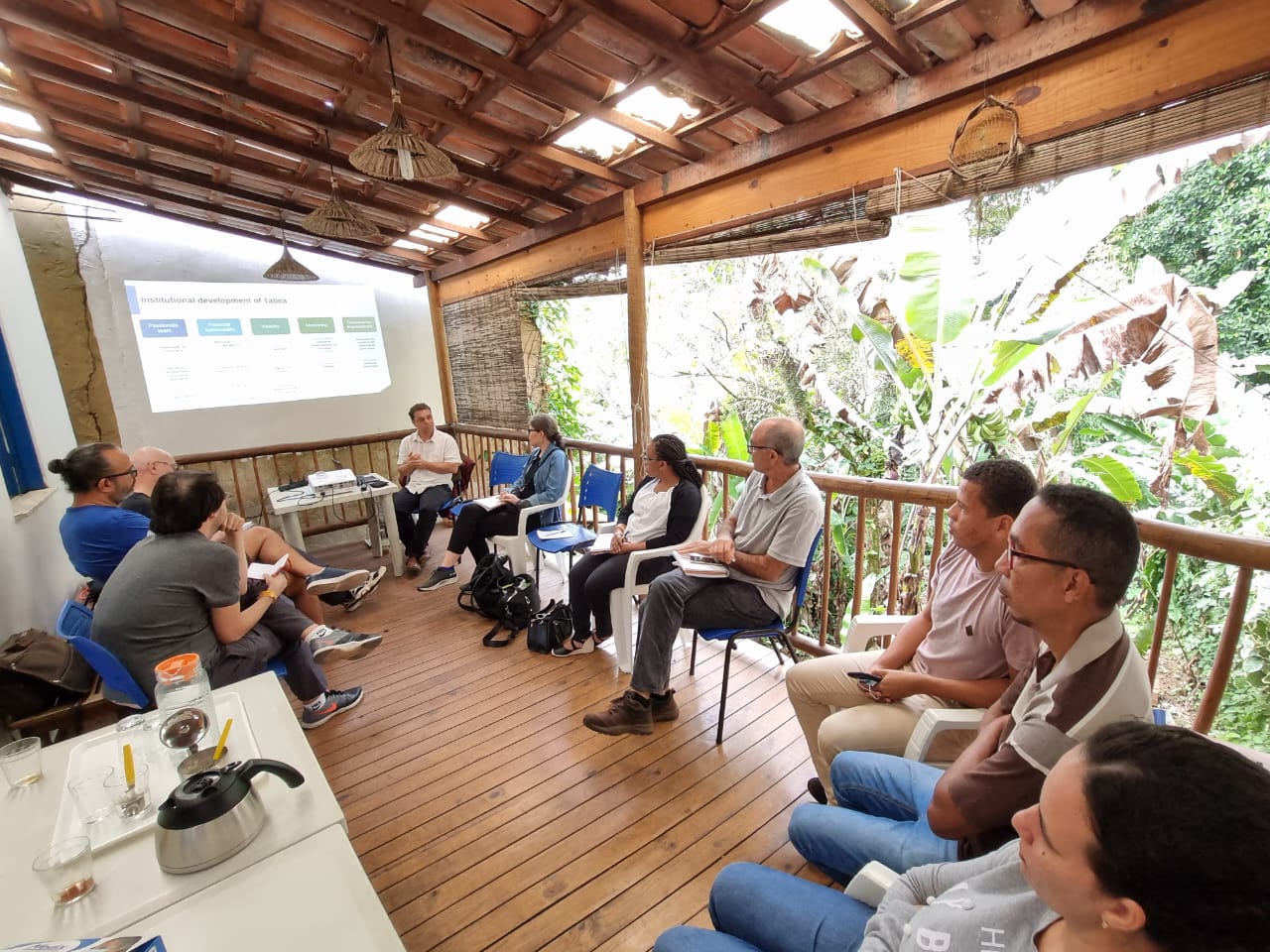
Visit of the IDIS team to ‘Tabôa’, Serra Grande, in Bahia.

Brazil currently has 14 organizations operating under this model in 10 states. Among this group, there are well-established organizations such as the FEAC Foundation of Campinas, the Baixada Maranhense Institute, and the ICOM – Community Institute of Greater Florianópolis, as well as younger organizations such as FEAV, operating in Valinhos, the Cacimba Institute in the São Miguel Paulista region (outskirts of São Paulo), the Manauara Community Association, and the recently formed ICOSE – Community Institute of Sergipe. All of them are part of the Transforming Territories Program, launched in 2021 by IDIS – Institute for the Development of Social Investment, financed by the Charles Stewart Mott Foundation and with institutional support from the Brazil Foundation, Comunitas and GIFE.

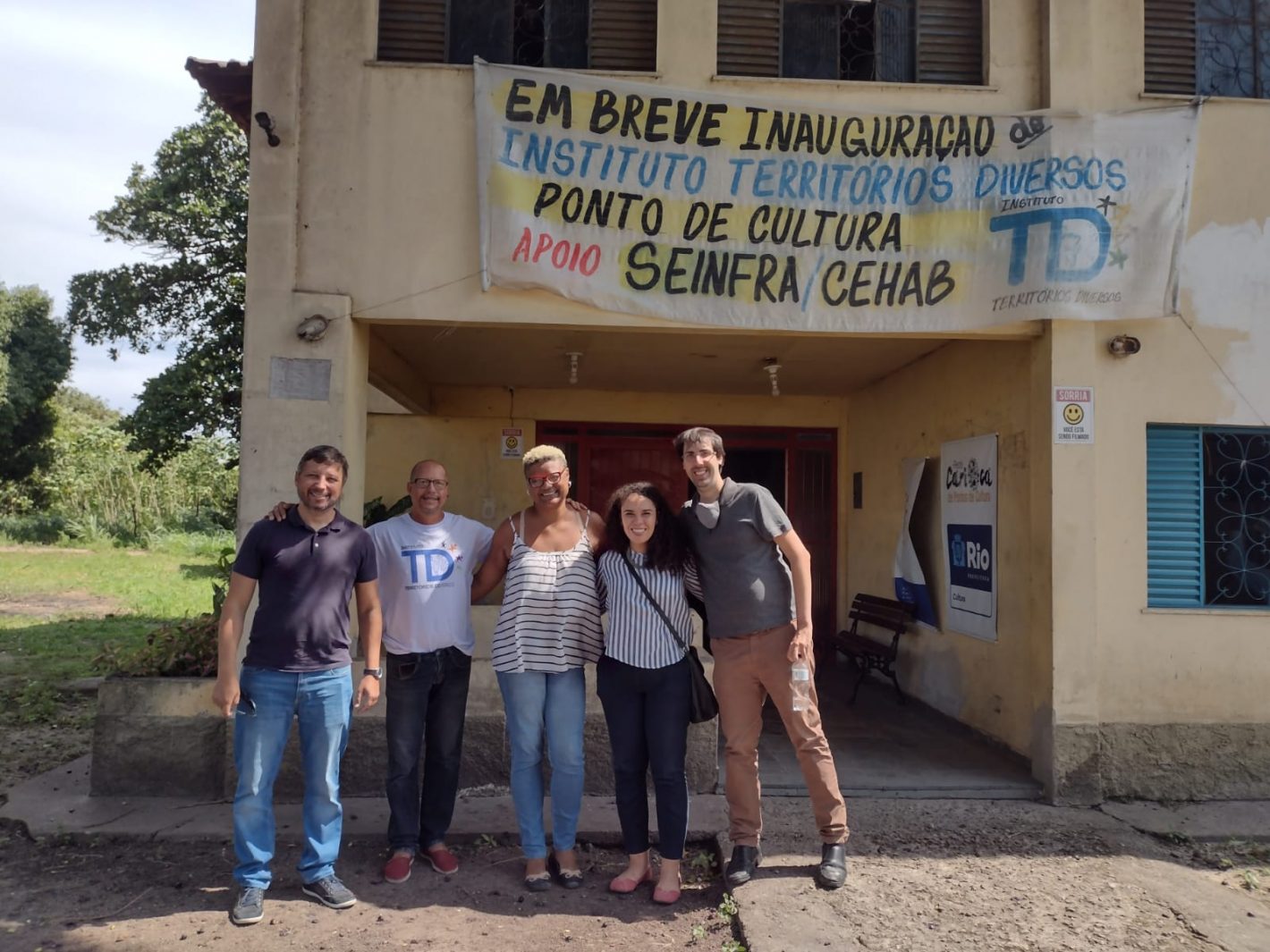
Visit of the IDIS team to Redes do Bem, a community organization in Rio de Janeiro

Most Brazilian CFs already have philanthropic funds established to raise and distribute resources to organizations and initiatives within their territories. In addition, they promote campaigns such as ‘Giving Day’, initiatives to engage volunteers and offer courses and training for local social leaders and organizations. Some of them also act as spokespersons for other Civil Society Organizations (CSOs) in the territory, advocating for the strengthening and regulation of philanthropic funds, unlocking resources, and advocating for legislative changes. The legitimacy to activate philanthropy and represent the social sector of the territory comes from the fact that CFs are not oriented towards implementing projects, but to channeling resources to local organizations that works directly with beneficiaries. Therefore, CFs become allies of local CSOs rather than competitors.

Successful experiences have brought some changes in the sector. According to the BISC – Corporate Social Investment Benchmarking research, published annually by Comunitas, 38% of the surveyed companies indicated some degree of priority to  support CFs in the 2022/2023 biennium, while 86% of Foundations and Corporate Institutes assigned medium or high priority to them. Within the industrial sector, 75% of respondents stated that they have introduced or strengthened CFs in their social investment strategy (compared to 20% in the service sector), confirming the trend of the extractive and manufacturing industry to seek local socio-environmental solutions to mitigate their negative externalities and enhance their positive ones, in line with ESG practices (environmental, social, and governance).

The potential of CFs as channels for local social investments primarily stems from establishing robust, diverse, and enduring governance, as well as a systemic approach based on the diagnosis of local potential and needs. This is achieved through listening to different voices within local civil society and engaging in constant dialogue with organizations working for the territory. These characteristics align with what companies expect to strengthen their engagement with non-profit organizations. According to BISC, 90% of companies consider “greater evidence of impact in partnerships” as a determining factor for strengthening the relationship. In comparison, 80% indicate the “need for the company to operate within a network”. These are precisely some of the main characteristics of CFs.

It is important to note that CFs are primarily important intermediaries between donors and local organizations, aiming to meet donors’ philanthropic interests while always considering the demands of the territory. An example of this is Donor Advised Funds (DAFs), which are still relatively recent in Brazil. DAFs function as “philanthropy current accounts” for individuals and companies, managed by CFs, which are responsible for investing these resources in the capital market and distributing them to social organizations according to the donors’ preferences. This ability to accumulate resources for future allocation is analogous to cisterns that store water for strategic or high-need moments.

By consolidating and managing third-party donations, CFs are responsible for due diligence, monitoring, and accountability regarding the use of these resources. This allows large companies to fund projects and smaller organizations, as well as informal movements and collectives, as CFs act as a compliance lightning rod, mitigating risks for donors by being the direct receiver of these companies’ donations. Once the due diligence for receiving the resources is completed, it is up to the CF to mentor donors on the strategic use of these resources based on their broad knowledge of the territory, its demands and potential, and its organizations and leaders.

Last but not least, this privileged and democratically  territorial perspective allows CFs to serve as spokespersons for the local social sector, advocating for rights and visibility, conducting social campaigns, or even advocating for changes in public policies without being directly exposed to authorities. CFs act as an umbrella, protecting social leaders from unnecessary exposure to political and power games.