The future is a choice, not a destiny

By Letícia Santos, Project Analyst at IDIS 

Building the future is an act of choice, and making choices requires naming what we want to change, having the courage to make public commitments, and being willing to engage in difficult conversations. These were the issues at the heart of the discussion between Nicholas Tedesco, President and CEO of National Center for Family Philanthropy (NCFP); Rodrigo Pipponzi, Member of the Social Impact Committee at RD Saúde and co-founder of Commitment 1%; and Michael França, Coordinator of the Racial Studies Center at Insper, during the closing panel of the 2026 Brazilian Philanthropy Forum, moderated by Paula Fabiani, CEO of IDIS. 

Nicholas Tedesco, President and CEO of National Center for Family Philanthropy (NCFP)

For Nicholas, representing family philanthropy, courage begins by questioning the motivation behind a philanthropic legacy. Drawing on his experience in contexts where a culture of giving is already well established, Nicholas notes that families give, but do not always ask why, for what purpose, or what they want to endure. 

Reimagining family philanthropy means creating space to question what should be preserved and what needs to change. Nicholas argues that we are in a period of transformation in which purpose must go hand in hand with current needs while anticipating those of the future. This means building governance structures that can sustain choices over time and creating conditions for different generations to come together around a common agenda. 

In the United States, Nicholas shared that many families have increasingly directed their support toward democracy and efforts to address the climate crisis, but he emphasized that this process requires conversations about power and privilege that the field still tends to avoid. 

In Brazil, the challenge comes earlier, as the involvement of wealthy families in philanthropy is still incipient and poorly documented, as highlighted in the report Paths to a Broader and More Strategic Action in Family Philanthropy in Brazil, produced by IDIS. According to data from the GIFE Census, in 2024, family foundations and institutes invested R$395 million, equivalent to approximately 7% of the total mapped by the census. 

Turning to the social role of businesses, Rodrigo Pipponzi focused his remarks on the courage to make public commitments and uphold them over time. RD Saúde chose not to create a separate institute, meaning that the company’s business mission and social commitment are treated as one and the same. This is reflected, for example, in allocating a percentage of net profit to social investment, as a signatory to Commitment 1%, a collaborative initiative between IDIS and Instituto MOL that seeks to encourage companies to donate to civil society organizations. 

Other ways the company has sought to align its business with its role in society include linking executive bonuses to ESG targets and involving senior leadership in the Social Impact Committee. Finally, Rodrigo emphasized that corporate philanthropy plays a catalytic role, with mobilization now being one of RD Saúde’s strengths. One example is the ‘round-up for charity’ initiative, which raises between R$4 million and R$5 million every year for civil society organizations in Brazil. 

Paula Fabiani, CEO at IDIS

Prompted by Paula Fabiani to discuss how inequality affects Brazilian society and the role of philanthropy in this context, Michael França, representing academia, brought questions to the table that the field rarely addresses in depth. Referring to his recently published book Os Custos das Desigualdades: uma carta às elites econômicas [The Costs of Inequalities: a letter to the economic elites], co-authored with Daniel Duque and published by Editora Jandaíra, Michael argued that in a society that is among the most unequal in the world, the externalities produced by inequality are not always sufficiently addressed, making it harder to break cycles of inequality and narrowing the range of possible futures. 

Reinventing philanthropy, in this sense, also means recognizing what it still fails to see. Michael spoke about his decision not to keep this knowledge confined to academic circles, instead bringing data and evidence into public debate and dialogue with governments. For philanthropy, he emphasizes that education alone cannot solve everything, and that transforming Brazilian society must extend beyond the walls of schools. 

The conversation that followed with the audience deepened critical aspects of the current debate, revealing that the questions raised by the three speakers resonated beyond the stage. The first question, about the role of philanthropy in the face of denialism, elicited complementary responses from Michael França and Nicholas Tedesco. Michael pointed to a structural asymmetry in philanthropy as a driver of knowledge production: international funding tends to place greater trust in researchers and provide long-term institutional support, while in Brazil, funding tends to be more restricted, geared toward confirming hypotheses and answering narrowly defined questions. Nicholas added, based on his experience in the United States, that universities are seen as reference centers for disseminating philanthropic best practices and developing leaders — a role that is still being consolidated in Brazil. 

The second question opened a discussion about collaboration among foundations, organizations, and smaller businesses. Nicholas said there is no magic formula, but that in the United States there is a growing recognition of the need to collaborate, even though some reluctance remains. For him, addressing the root causes of problems is only possible through systemic change, and systemic change requires collaboration. Pipponzi reinforced this argument from a business perspective, emphasizing that companies need to be willing to relinquish power and certain deeply held convictions in order to work together with communities and other actors, creating incentives for collaboration. 

Rodrigo Pipponzi, Member of the Social Impact Committee at RD Saúde

In their closing remarks, each speaker offered a synthesis that echoed the theme of the panel. Pipponzi emphasized that building the future we want requires the courage to make choices and sustain them over time. Michael proposed thinking about legacy as a way of reducing social distances, maintaining integrity between philanthropic and business roles. Nicholas concluded with an invitation to keep spaces like the Forum alive, so that conversations like this can remain open. 

Check ou the full panel:
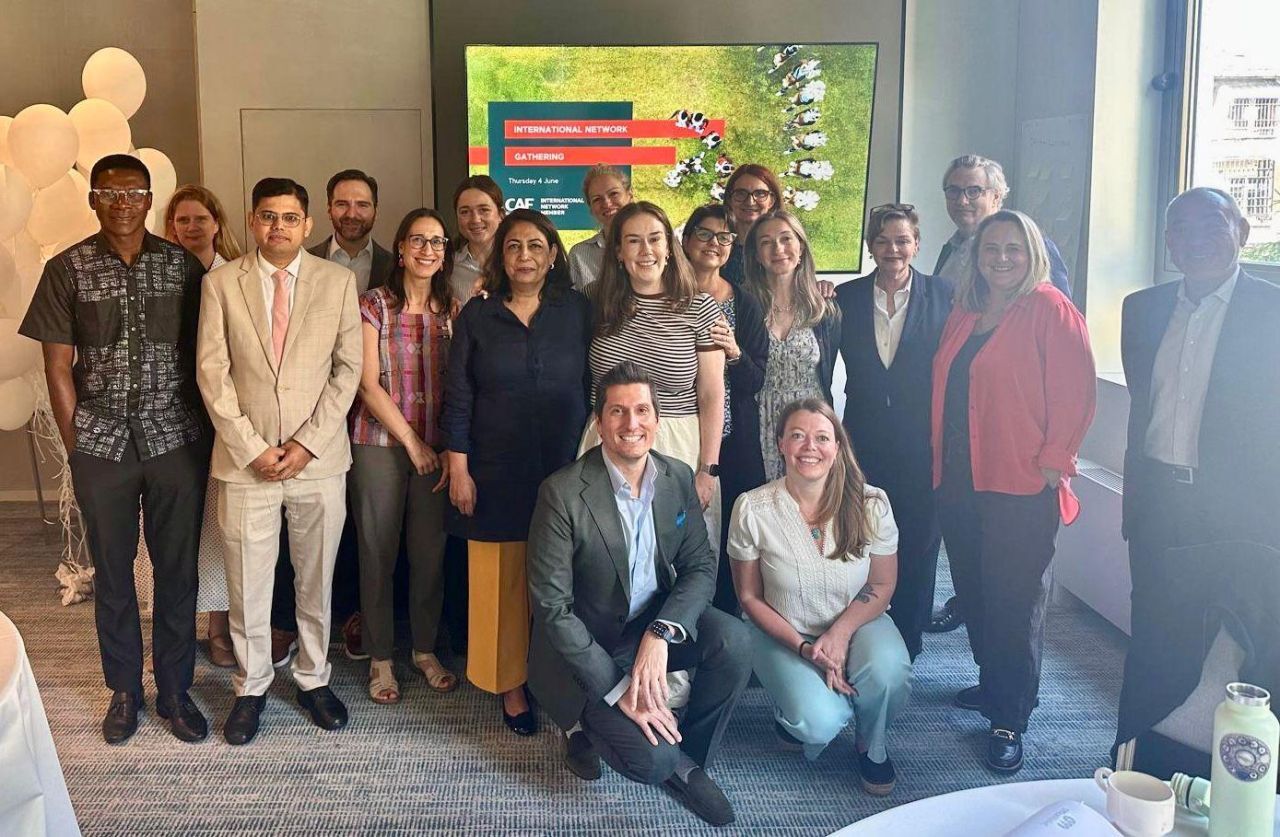
Paula Fabiani represents IDIS at CAF global meeting in Bulgaria

Paula Fabiani, CEO of IDIS – Institute for the Development of Social Investment, participated in the CAF International Network global meeting, held in Sofia, Bulgaria. The event brought together representatives from organizations in different countries to discuss ways to strengthen philanthropy and the culture of giving around the world.

IDIS has been part of the CAF International Network since 2005, serving as the representative of Charities Aid Foundation in Brazil. The network brings together independent organizations working locally in different countries, connected by a shared purpose: promoting generosity and increasing the impact of philanthropy.


The program also celebrated the 30th anniversary of BCause Foundation, the Bulgarian organization that is part of the network, and marked the launch of the World Giving Report 2026, a CAF publication that presents data on generosity across 105 countries. The report shows that 59% of the Brazilian population made some type of donation, and the respondents destined 0,9% of their income to these contributions.

Download the publication (available in English only):

Captcha obrigatório

“The exchanges promoted by CAF’s global network are essential for understanding the challenges of philanthropy in different contexts and identifying shared paths to expand generosity. The World Giving Report data shows that there is still significant room to strengthen the culture of giving in Brazil, and this requires trust, collaboration and collective action”, says Paula Fabiani.

IDIS’ participation in the meeting reinforces its commitment to knowledge production, international cooperation and the strengthening of a more favorable environment for private social investment and philanthropy in Brazil.

Paula Fabiani named to the TIME100 Philanthropy 2026 list of the 100 most influential leaders in philanthropy

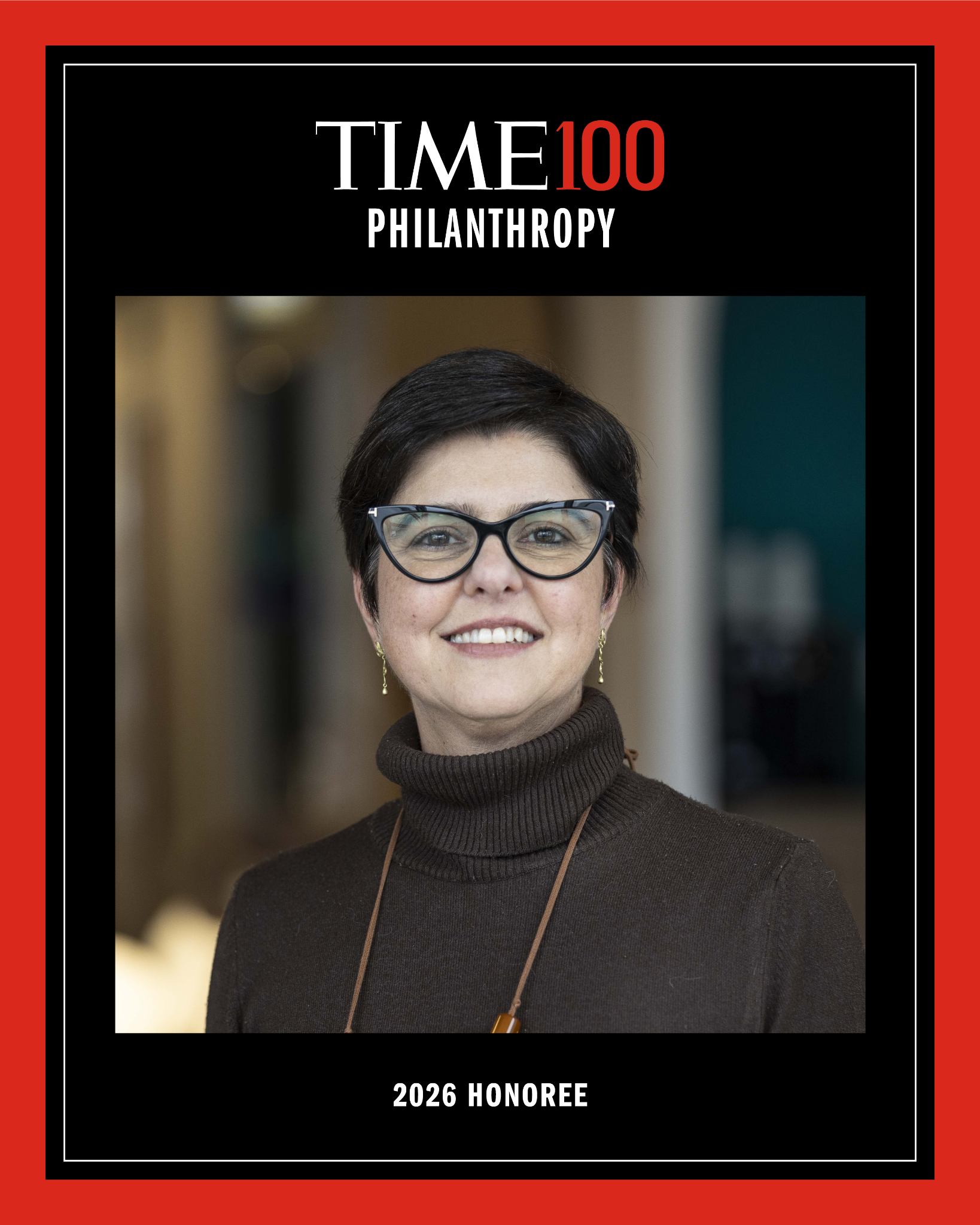
TIME has named Paula Fabiani, CEO of IDIS – Institute for the Development of Social Investment, to the second-annual TIME100 Philanthropy list recognizing singular figures who are shaping the future of giving. Paula is the first Brazilian person to be included on the list.

The recognition highlights her work in strengthening strategic philanthropy and the culture of giving in Brazil, as well as her contribution to connecting the country with international discussions on social investment and sustainable development.

According to Paula Fabiani, her inclusion in the TIME100 Philanthropy list reflects the collective progress of the field in Brazil. “I hope this recognition brings greater visibility to Brazilian philanthropy. In recent years, we have seen the field develop consistently, with stronger collaboration, greater professionalization, and a growing focus on sustainability through endowments. Brazil has a vibrant, creative civil society with a strong capacity for innovation, and it can play an increasingly leading role in global discussions on social impact and sustainable development.”

Economist graduated from the University of São Paulo, with an MBA from the Stern School of Business – New York University and a PhD in Business Administration from Fundação Getulio Vargas (FGV-SP), Fabiani has built her professional trajectory by connecting academic knowledge, institutional engagement, and public advocacy in support of social impact. Author of two books on Endowments and a book on Early Childhood, Fabiani is also certified in the SROI (Social Return on Investment) impact assessment methodology by Social Value UK.

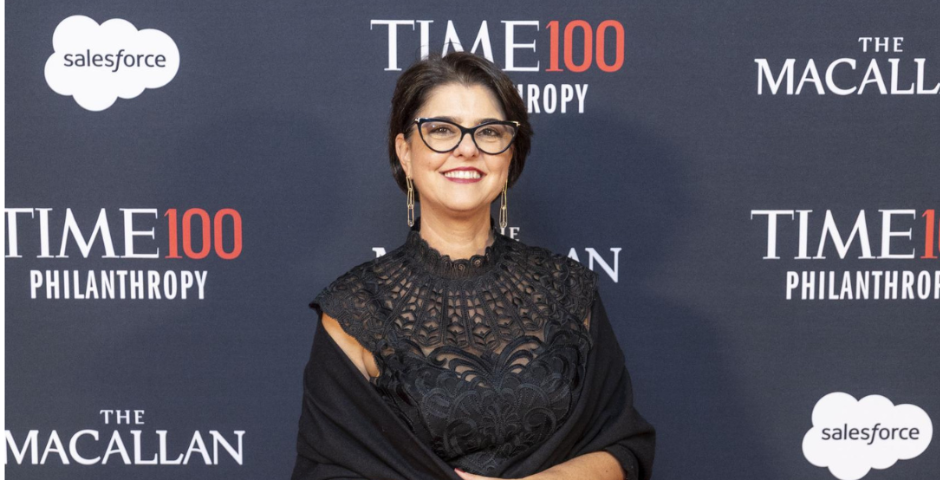
Paula Fabiani during TIME100 Philanthropy ceremony

At the helm of IDIS, she has directly contributed with technical support to hundreds of companies, families, foundations, and institutes, and led initiatives that became national benchmarks, such as the Brazil Giving Research, the Brazilian Philanthropy Forum, and The Brazilian Endowment Coalition. Her work was instrumental in the approval of Law No. 13,800/2019, which regulates endowments in Brazil. This represents a structural milestone for strengthening philanthropy in the country and ever since the field has undergone significant expansion: more than 60 endowments have been created since 2019, and Brazil now has 128 mapped active endowments. In addition, she is one of the founders of Commitment 1%, an initiative by IDIS and MOL Institute that encourages companies of all sizes and sectors to donate at least 1% of their annual net profit to socio-environmental causes.

In 2024, when IDIS received a significant donation from philanthropist MacKenzie Scott, it became possible to put into practice a long-standing ambition: the creation of an endowment dedicated to strengthening strategic philanthropy and the culture of giving. Paula Fabiani has been leading fundraising efforts for the Promoting Philanthropy Endowment, the first of its kind in Brazil, engaging local investors. Today, the fund’s assets exceed BRL 10 million and continue to grow.

Recognition by TIME magazine places Brazil on the global map of strategic philanthropy and highlights the maturity of an ecosystem that Fabiani helped build. In addition to leading IDIS, she also participates in national and international networks and advisory boards, including the UNICEF Advisory Council and the Steering Committee of the Global Philanthropy Forum, and she is co-founder of the Brazilian chapter of Catalyst Now.

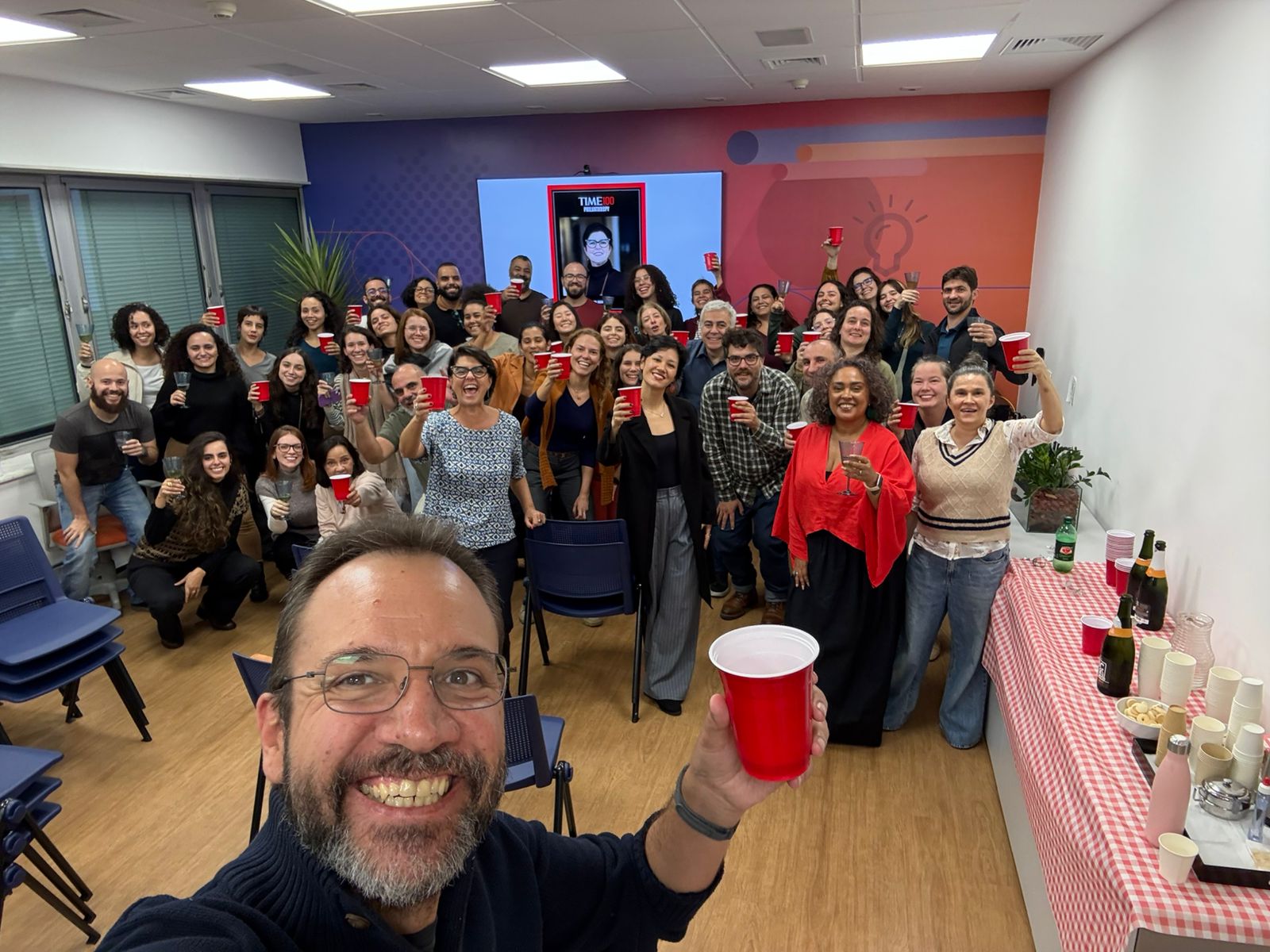
IDIS team celebrating the achievement

Paula Fabiani visits Instituto Comunitário Paraty and their supported local initiatives

Community foundations and institutes, due to their nature of varied causes and focus on the needs and potential of the territory, generate a significant positive impact on the communities where they operate. The CEO of IDIS, Paula Fabiani, had the opportunity to experience this model during her visit to Paraty, where she gained a deeper understanding of the Instituto Comunitário Paraty (ICP).

ICP plays a crucial role in promoting community and territorial development by collaborating within a network, engaging with local social actors, and supporting initiatives in the city’s socio-educational and socio-environmental ecosystem. This model has been gaining increasing strength in Brazil.

During her immersion in the territory, Paula was accompanied by ICP leaders Andreia Estrella and Ricardo Zuppi and was in contact with projects from social organizations that are part of the ICP network.

“Having this exchange with Paula was an experience that brought us a series of positive feelings and insights. We explained how the process of creating the Institute happened, how we initially started gathering as an unofficial network to try to solve problems together. And the support from IDIS was fundamental for us to become an actual institution,” says Ricardo Zuppi.

The meeting was about sharing experiences and learning with each other

One of the stops during the visit was the Instituto Náutico Paraty, an educational and sports project that has been promoting social transformation in the city for 25 years by teaching sailing to children and young people in situations of social vulnerability. The initiative was founded and is led by Gibrail Rameck Junior. Another initiative visited was Rede Alegrias, which includes a project related to the Banco Comunitário (in english, Community Bank). This initiative, led by Instituto Social Rural Jardim do Beija Flor and coordinated by Mônica Calderón, strengthens the local solidarity economy, promotes financial inclusion, and encourages the circulation of the community currency “Alegrias”, driving sustainable development and community well-being.

ICP is supported by IDIS – Institute for the Development of Social Investment through the Transforming Territories program. This initiative by IDIS, with support from the Charles Stewart Mott Foundation, fosters the creation and strengthening of Community Institutes and Foundations in Brazil by engaging donors and civil society, sharing knowledge, and providing technical support.

“Getting to know the work of Instituto Comunitário Paraty was an inspiring experience. It reaffirms the concept that community institutes and foundations are essential for local development, as they work directly on the needs of the territory. It is rewarding to see firsthand the impact of the Transforming Territories program and support this journey,” says Paula Fabiani.

Paula Fabiani, CEO of IDIS, is now PhD on strategic corporate philanthropy. Check out the full thesis!

Nowadays, it is increasingly relevant for companies to take measures that take into consideration social and environmental consequences of their actions. According to the ‘Corporate giving by the FTSE 100’ report made by CAF (Charities Aid Foundation), 69% of the public believe businesses have an obligation to support their local communities.

With that in mind, Paula Fabiani, CEO of IDIS, is now a PhD, having completed a thesis in which she researched about the Corporate Donation Chain approach and the potential it has to enhance strategic corporate philanthropy.  She completed her Ph.D. in Operations Management and Sustainability at Fundação Getúlio Vargas / São Paulo School of Business Administration.


“Academia has the power to transform. Through scientific rigor, which lends credibility to the academic world, research and publications have the potential to contribute to the creation of a better world. This is precisely one of my commitments: to always seek a deeper understanding of issues that can contribute to our society […] Through the lens of stakeholder’s engagement, I tried to help corporations to adopt a more strategic approach to their philanthropic activities”, says Fabiani.

The full thesis can be accessed in full here.

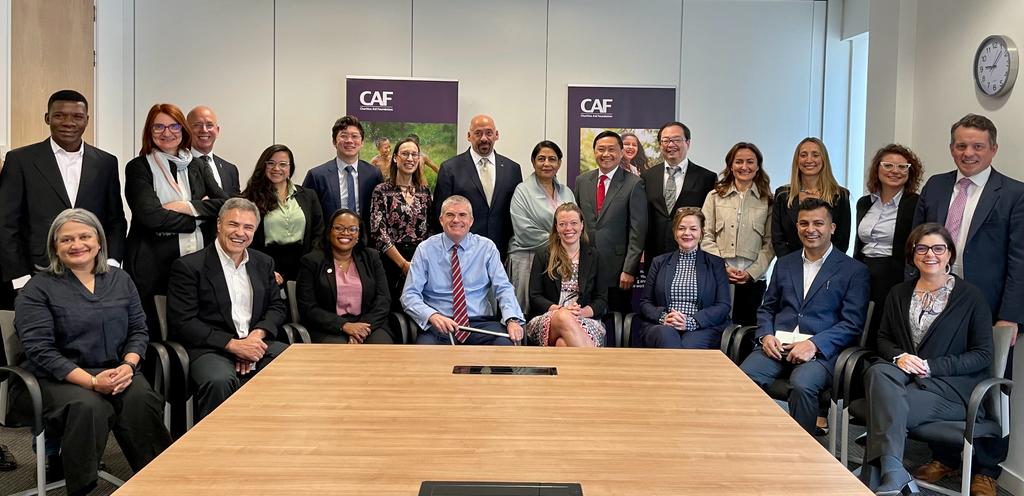
Global CAF conference promotes network integration and discusses global philanthropy trends

Charities Aid Foundation (CAF) Global Leadership Conference brought together representatives from partner organizations in the first week of June. The event took place in London, where the organization’s headquarters are located.

Since 2005, IDIS has been the representative of CAF in Brazil, a British organization dedicated to philanthropy with 100 years of experience, supporting donors – individuals, major donors, and companies – in achieving the greatest possible impact from their initiatives. Starting this year, new members will join the network, which currently includes representatives from South Africa, Bulgaria, Canada, the United States, India, New Zealand, and Turkey.

The event is a celebration of partnerships and international collaboration in the field of philanthropy, reaffirming the institution’s commitment to the continuous growth of international giving practices.

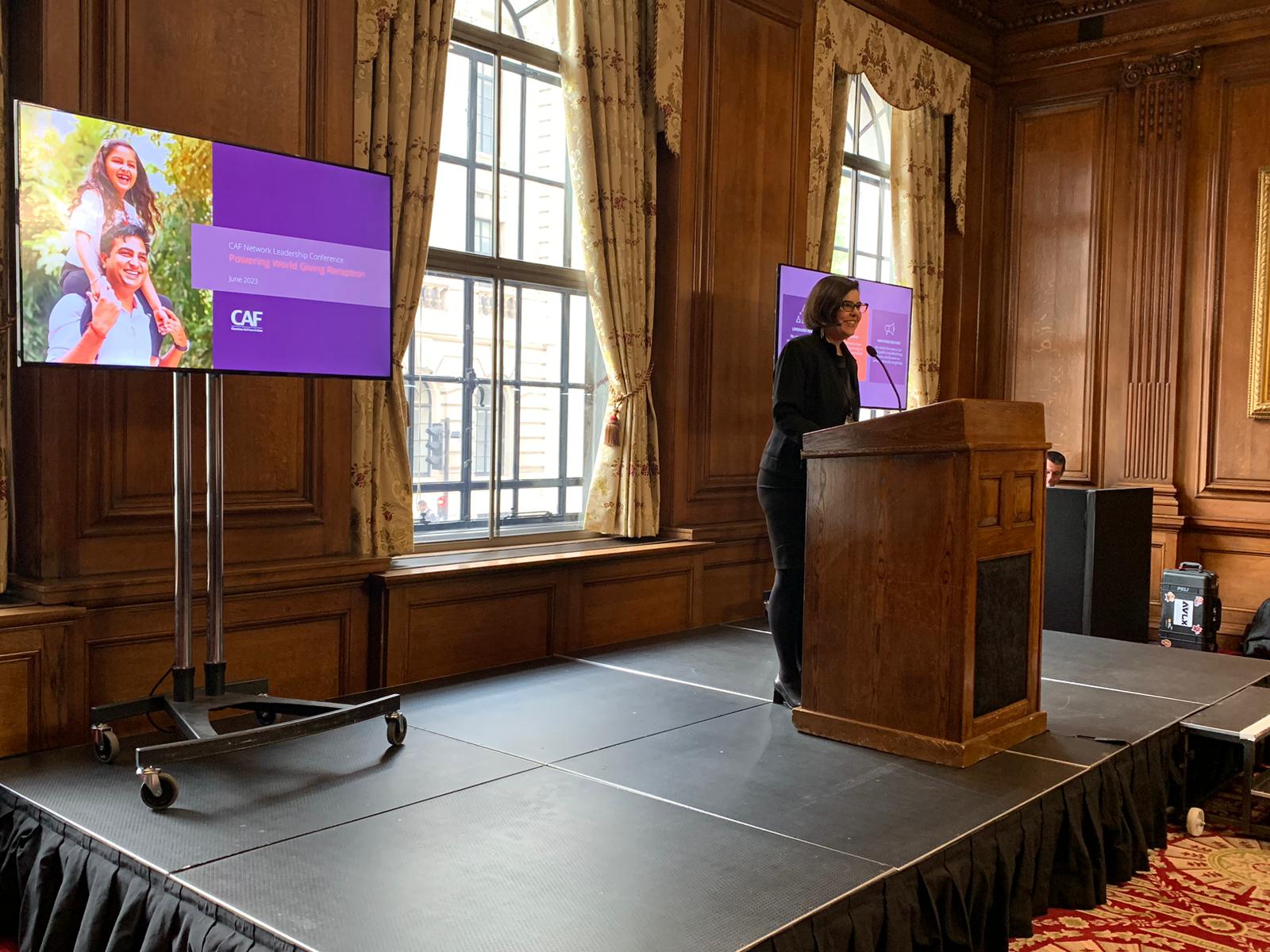
Paula Fabiani, CEO of IDIS, was one of the guests at the event. She was able to share some perspectives on philanthropy in Brazil and highlight the importance of collaboration in increasing international donations to our country.

Paula was one of the speakers at the parallel event, open to external guests, called ‘Powering World Giving Reception,’ where she emphasized Brazil’s position at 18th place in the World Giving Index, our challenges, and advancements in the philanthropic field. She shared the stage with Grace Maingi, Executive Director of the Kenya Community Development Foundation, who shared insights on philanthropy in Kenya, and Emma Cherniavsky, CEO of the UK for UNHCR, who contributed with a speech on the role of networks in encouraging international donations.

“I was truly inspired to hear from incredible people from around the world! I would like to thank the entire CAF team for their impeccable organization and the wonderful reception,” says Paula Fabiani.