Global gathering calls on philanthropy to take action

At the WINGS Forum 2026 in Montreal, putting communities at the center, expanding flexible and multi-year funding, and helping strengthen civil society and democracy were some of the highlights.

By Luisa Lima, Communications and Knowledge Manager at IDIS
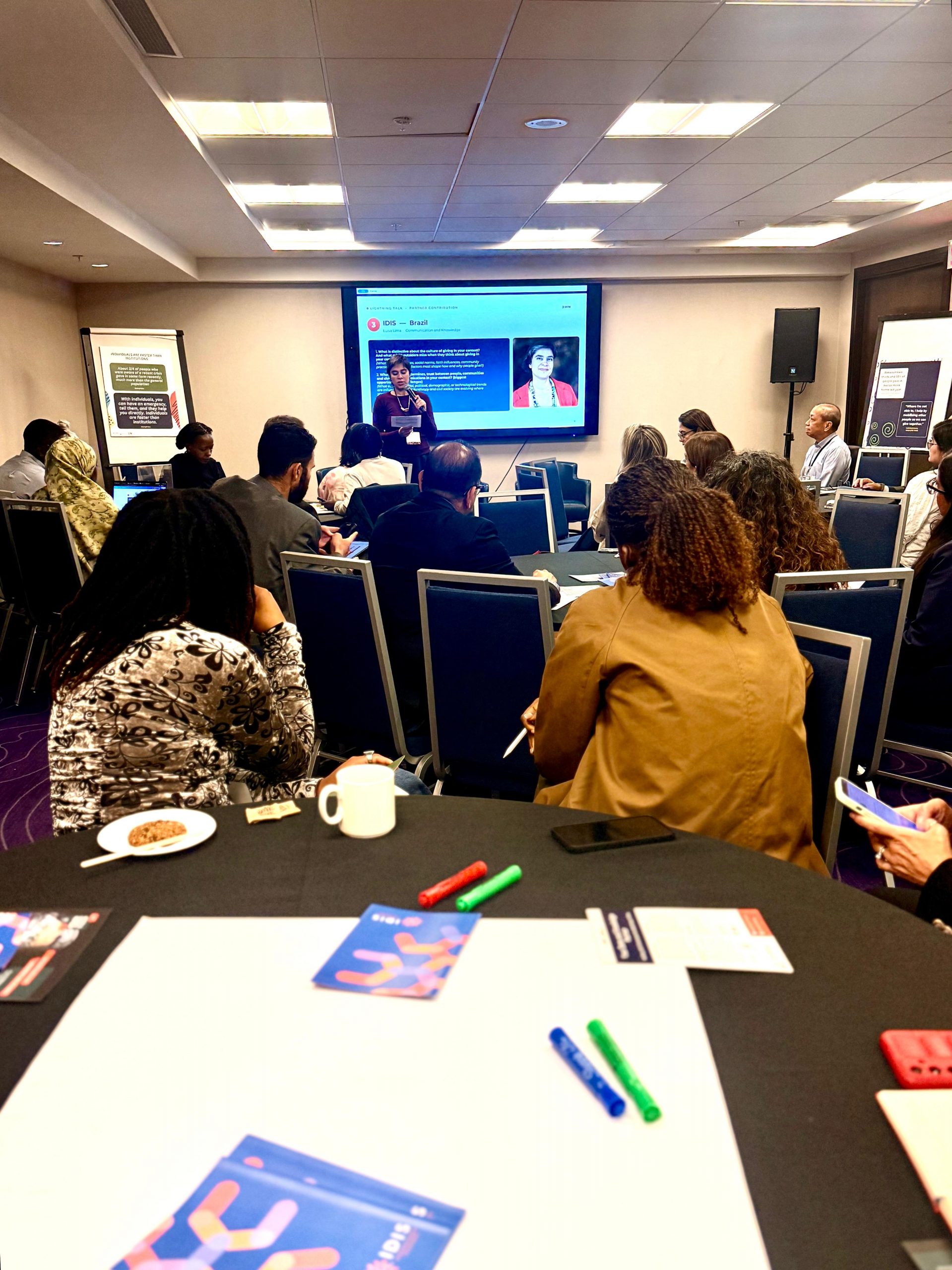
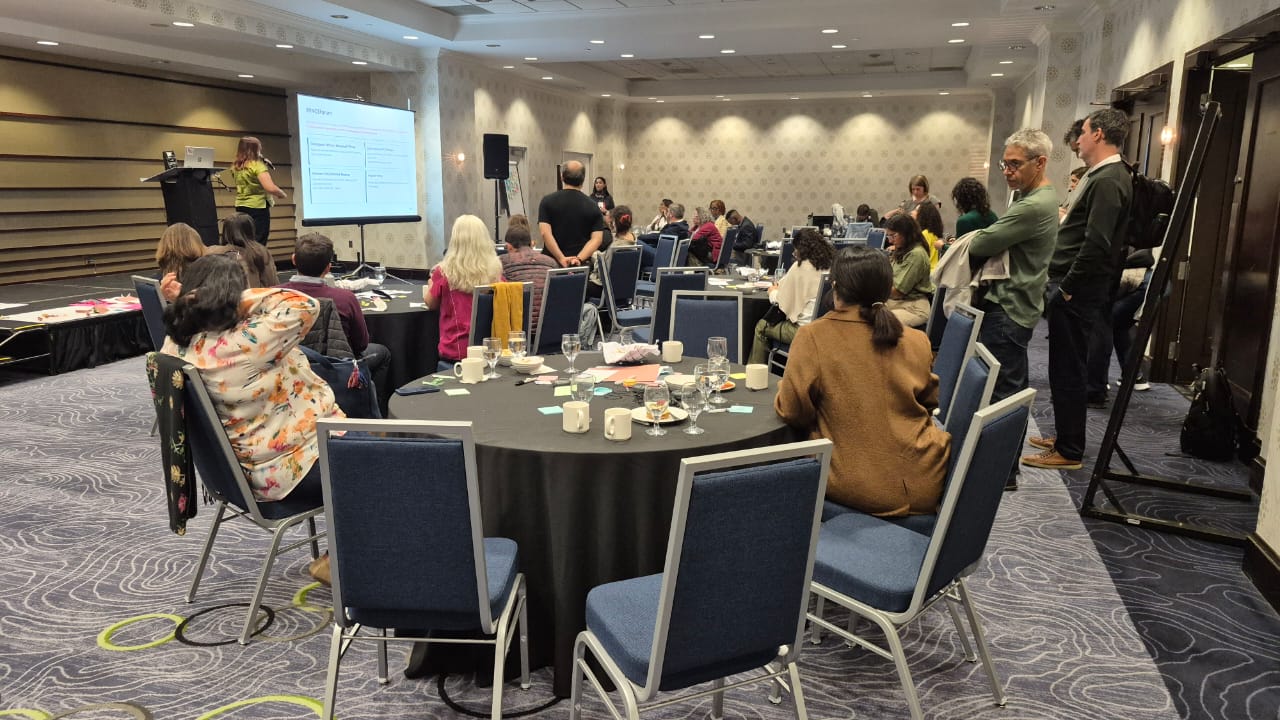
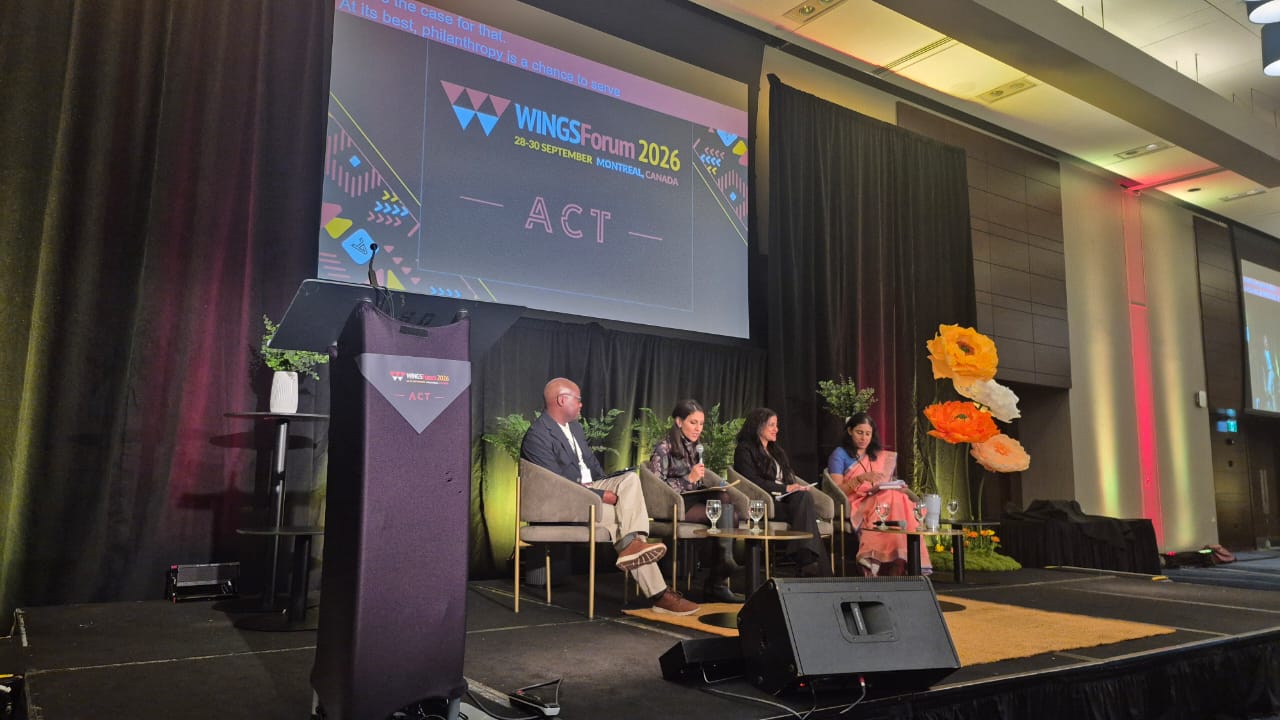
Every three years, WINGS offers us the opportunity to step away from our daily work and enter the engine room of philanthropy, taking a closer look at the mechanisms that drive it and dedicating time and reflection to making them more effective and better aligned with contemporary challenges. The broader landscape includes global issues such as the crisis of democracy and multilateralism, climate change, and the digital revolution. This year’s gathering was an invitation to ACT, exploring the dimensions of activation, collaboration — particularly with governments — and transcendence.

Across plenary sessions, parallel discussions, and workshops, there was a clear consensus on the importance of placing local communities and the territories affected by our work at the heart of every decision. Socio-environmental impact must be the ultimate focus of philanthropy, and funders’ indicators should be adapted to reflect that impact — not the other way around. Funders must also take greater responsibility for risk, which is inevitable but currently falls disproportionately on communities. Binaifer Nowrojee, President of the Open Society Foundations, emphasized that our system is pushing grassroots organizations away, forcing them to devote increasing amounts of time and resources to meeting funders’ requirements and speaking their language.

Flexible, multi-year funding was another prominent topic. Noorain Khan, Chief Investment Officer at the Ford Foundation, went as far as to call for an end to one-year grants. She advocated for three-year commitments, although many participants believed that even this timeframe is insufficient to achieve systemic change.

Governance and accountability mechanisms play an important role in building relationships based on trust. The need to develop a shared language, allowing us to create complementary and mutually reinforcing narratives about philanthropy, was also a recurring theme throughout the event.

Strengthening cultures of giving and recognizing philanthropy’s role in supporting democracy and safeguarding human rights were also central to discussions. This was the network’s first gathering since the USAID funding cuts and the many others that followed. Countless organizations are now under threat, facing direct attacks in addition to the severe funding constraints.

Filipino journalist Maria Ressa, winner of the 2021 Nobel Peace Prize and Co-Chair of the UN Scientific Panel on Artificial Intelligence, warned that unchecked AI threatens human autonomy, democracy, and public safety.

Philanthropy in Latin America and the Caribbean

Despite the Forum’s global scope, there were numerous opportunities to explore issues related to specific causes, as well as local and regional contexts, identifying common ground, differences, and opportunities for collaboration. During the two days preceding the conference, I participated in a gathering of leaders from Latin America and the Caribbean focused on developing joint plans for the region.

We are 33 countries that share not only geography and a rich diversity of peoples, but also a colonial past that has left deep marks on the formation of our societies and lies at the root of many of the inequalities we face today.

Each country certainly has its own particularities, and identifying what truly unites us — and how we can effectively act together — is far from straightforward. As an initial step toward alignment, a trend-mapping exercise was conducted to identify the region’s most pressing issues. The findings will be consolidated in the second edition of a report published by the group.

The challenge of building trust became particularly evident, as civil society organizations across all countries face attacks, albeit with varying degrees of intensity. The region also has relatively limited data on philanthropy, funding flows, and impact, creating additional challenges for developing more compelling narratives and a shared taxonomy. Collaboration to achieve better outcomes emerged as a key priority, but one of the main barriers is financial: collaboration requires resources, and few funding sources are available to support this type of work. Nevertheless, we worked on a prototype that could serve as a starting point for regional action.

In addition to this group, two others focus on philanthropy in Africa and the Asia-Pacific region. Time was also dedicated to exchanges among the three groups, identifying areas of convergence as well as regional specificities.
An ecosystem constantly seeking balance

The analogy between philanthropy and an ecosystem is frequently used. Within this ecosystem, we must create the conditions for everyone to reach their full potential and ultimately contribute to a better, more equitable world for all.

Beyond donors and grant recipients — who themselves represent a wide range of actors — the ecosystem includes intermediaries, support organizations such as IDIS, think tanks, government agencies, multilateral institutions, and development banks. There is no shortage of remarkable initiatives carried out by each of these actors. No one is standing still, as Benjamin Bellegy, Executive Director of WINGS, pointed out. Yet, as in any ecosystem, coordinated action is essential, with each actor fulfilling a clear role and supporting one another. This requires a delicate balance that we must constantly strive to maintain.

The days were intense, filled with thought-provoking discussions that challenged participants to genuinely assess whether their organizations are moving in the right direction and at the right pace.

While the scale of the challenges can feel overwhelming, Andrew Chunilall, CEO of Community Foundations of Canada (CFC), offered a reassuring perspective: “Generosity is at the heart of our origins. Foundations were created to organize generosity. Somewhere along the way, we lost our direction, reducing generosity to financial resources. From now on, our focus must be on unlocking generosity in its many forms. The good news is that generosity already exists.”

Gatherings like these are essential for bringing emerging issues to the forefront, building common ground, understanding global developments, strengthening shared messages, fostering connections, and reenergizing participants. They enable each of us to return to our organizations better equipped to do more and do better, save lives, and drive the transformations we wish to see.
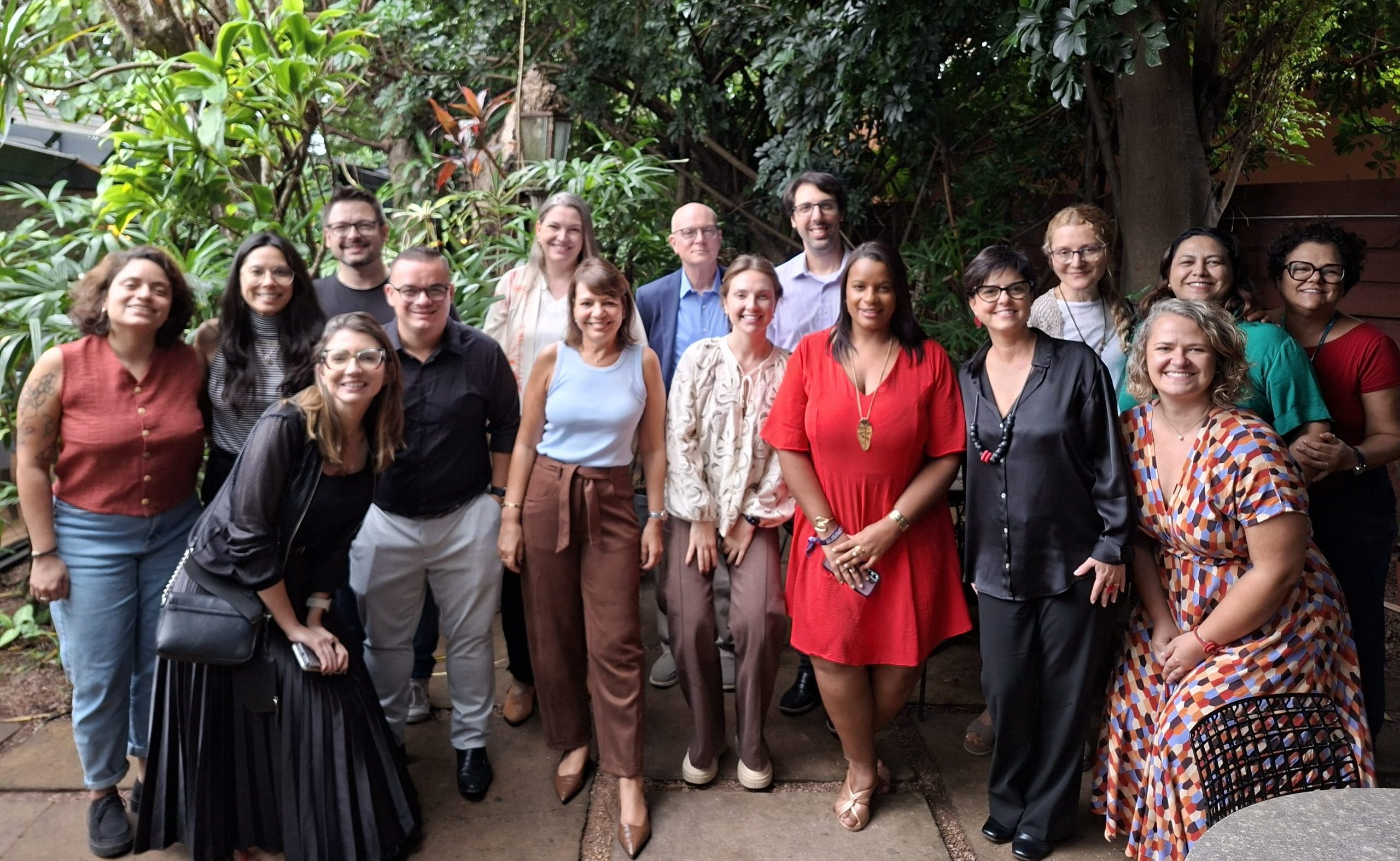
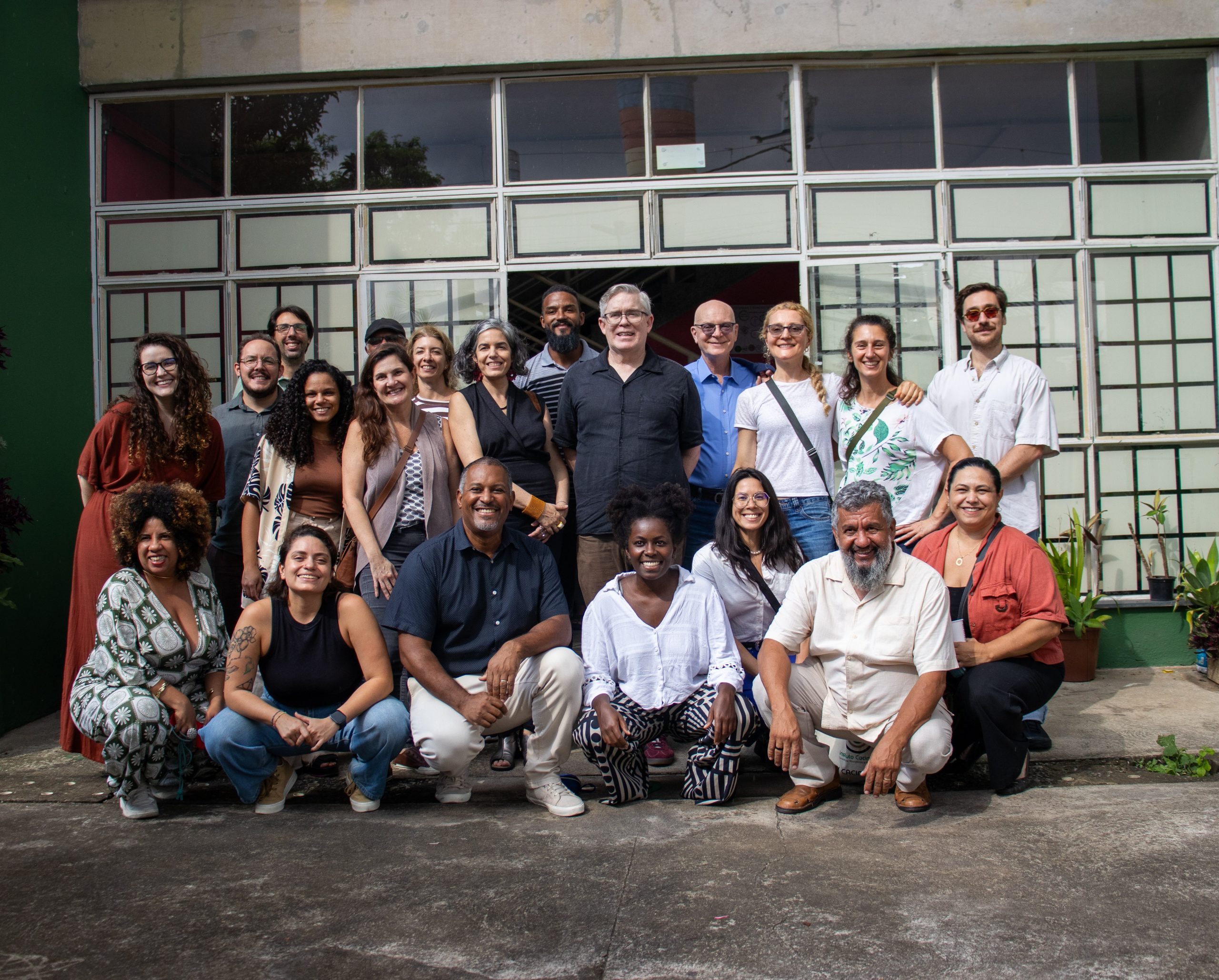
Representatives from the Mott Foundation conduct in-person visits to follow progress of the Transforming Territories Program across three regions of Brazil

From March 24 to April 1, representatives of the Charles Stewart Mott Foundation, one of the leading philanthropic foundations in the United States, visited Brazil to learn from and reconnect with community foundations in the cities of Porto Alegre, Maceió, Valinhos, Campinas, and São Paulo. The delegation included Neal Hegarty (Vice President – Programs), Nick Deychakiwsky (Senior Program Officer), Gabriella Abrego (Program Officer), Jenifer Veloso (Communications Officer), and Daniela Gomes (Program Officer), all from Mott Foundation.

The Transforming Territories Program, supported by the Mott Foundation and Movimento Bem Maior, works to foster and establish Community Foundations (CFs) and currently includes 14 participants. This model operates within defined geographic areas, mobilizing local resources and strengthening civil society organizations that develop solutions to social, environmental, and economic challenges within their own communities.

The agenda brought together eight community institutes and foundations, with activities held across five cities. These figures reflect the initiative’s significance, made even more meaningful by the direct impact of its actions in territories where each effort contributes substantially to local development.

Representatives from the Charles Stewart Mott Foundation, IDIS and Fundações Gerações in Porto Alegre

Fundação Gerações: the importance of local coordination

The visit began in Porto Alegre, where the delegation met with leaders from Fundação Gerações to learn about the organization’s strategy and initiatives, including the creation of the Fundo Porto de Todos – the first community fund in the state, established during the 2024 floods, which left 496 cities impacted, 150,000 people displaced, and even the state airport underwater for several days. The visit also included participation from ICOM, another program participant operating in Greater Florianópolis, in the neighboring state of Santa Catarina.

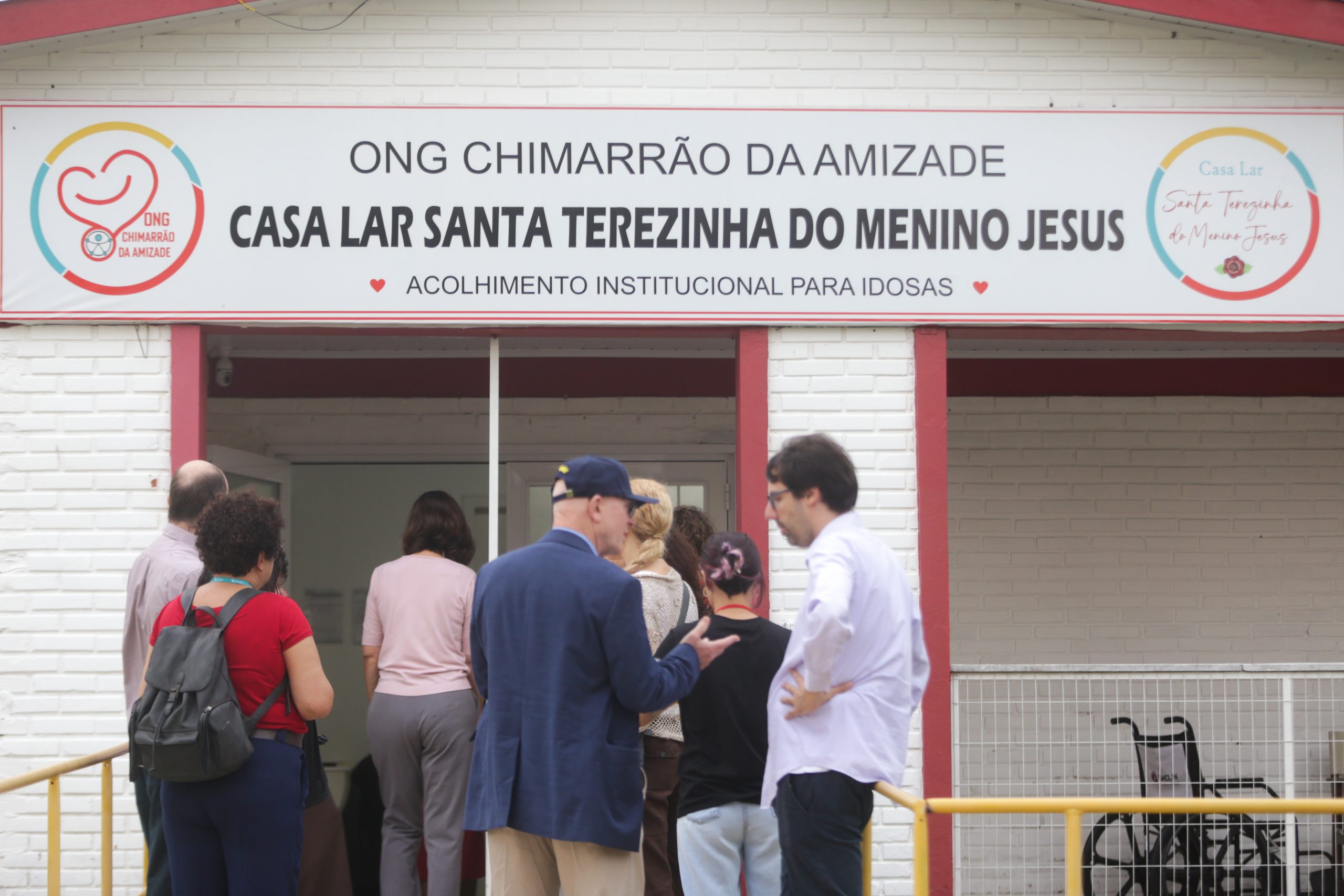
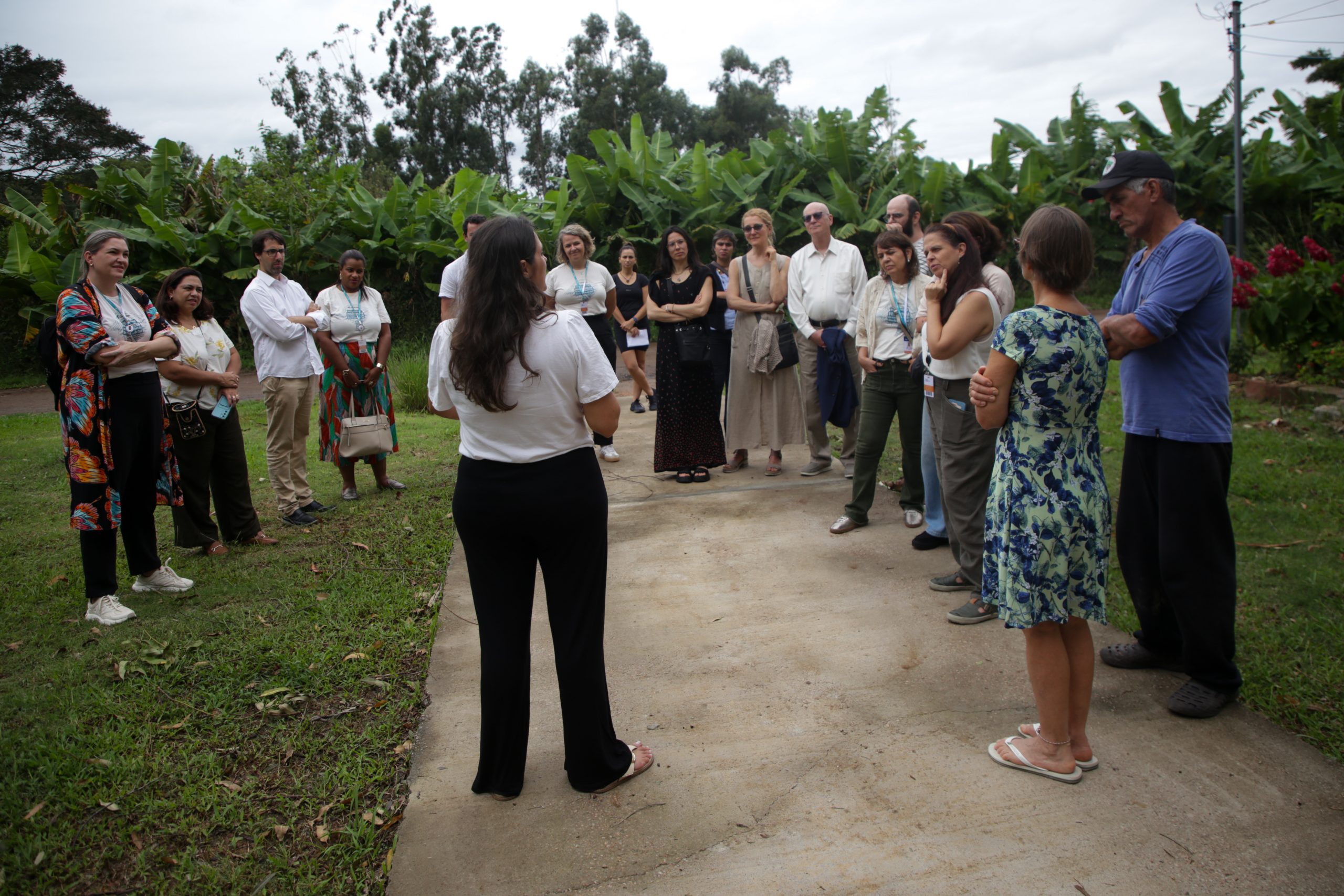
The group also witnessed firsthand the impact of projects supported by the foundation through the fund, such as the Cooperativa de Produtos Orgânicos Pão da Terra (loosely translated as Pão da Terra Organic Products Cooperative), which brings together associated families engaged in agroecological production of vegetables, baked goods, grains, and mushrooms. In the municipality of Canoas, they visited the NGO Chimarrão da Amizade, which promotes social inclusion for people with intellectual disabilities and their families, alongside meetings with philanthropists and local social ecosystem representatives.

The agenda also included meetings with companies and local philanthropists to explore opportunities for collaboration and community engagement with the foundation.

“Fundação Gerações is an excellent example of how a community foundation can mobilize local actors to strengthen civil society in a given territory. After the floods, it coordinated efforts with public authorities, companies, and civil society to respond to the emergency. This highlights the importance such organizations can have locally”, said Rosana Ferraiuolo, Program Manager of Transforming Territories at IDIS.

Delegation visiting the NGO Chimarrão da Amizade in the municipality of Canoas

“It was an honor to deepen our dialogue with the Mott Foundation team and demonstrate, in practice, how community philanthropy is strengthening initiatives across our region”, said Karine Ruy, Executive Director of Fundação Gerações.

Organic Products Cooperative in Eldorado do Sul (Porto Alegre)

Mundaú Mundo: community leadership and local articulation

The next stop was the city of Maceió, in the state of Alagoas. Mundaú Mundo, a community foundation focused on capacity building, empowerment, and strengthening organizations, promotes climate justice, local culture, and economic development. Representatives from the Instituto Comunitário de Sergipe (ICOSE), another program participant, also joined the visit.

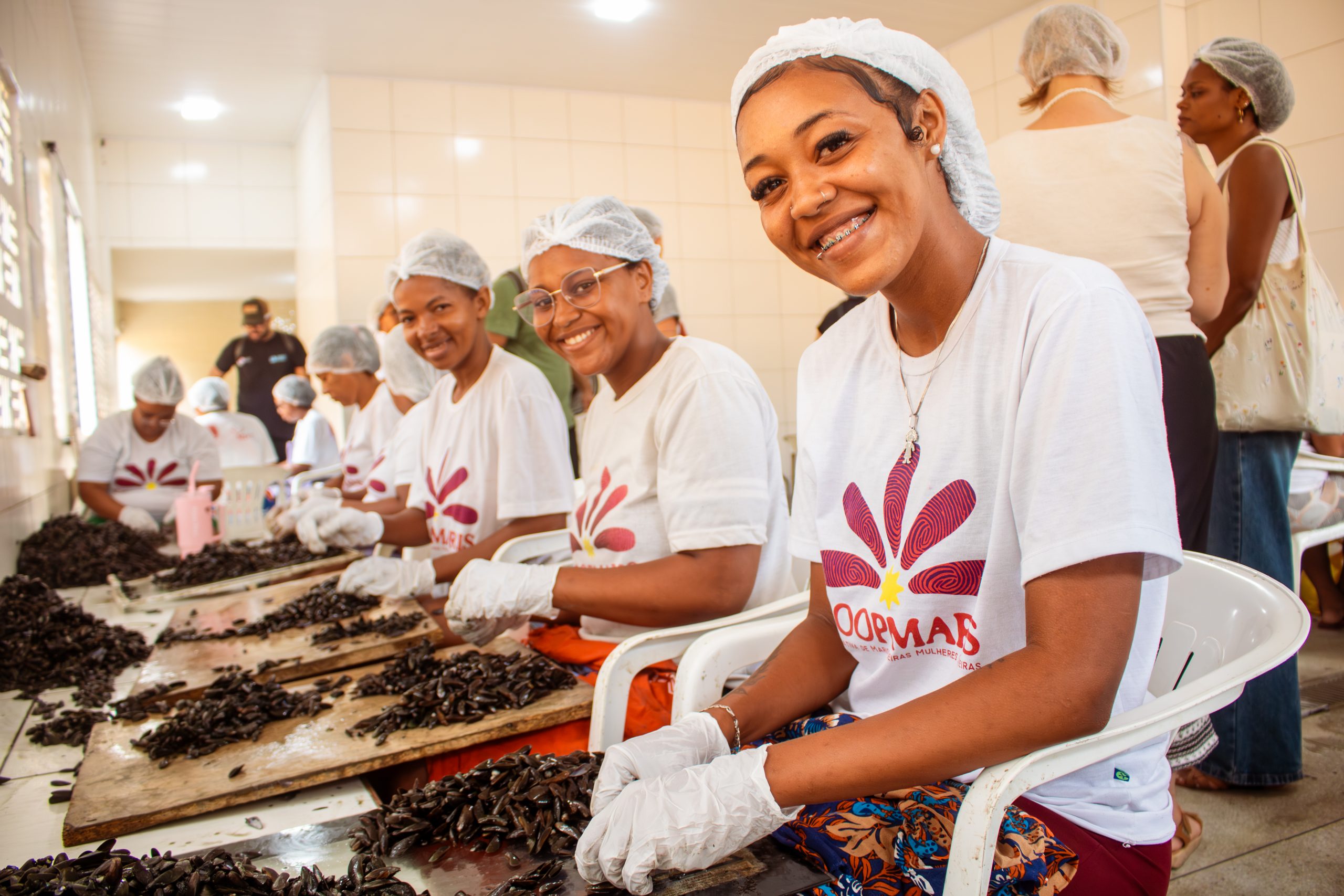
The delegation participated in activities with supported projects, including the Cooperativa de Marisqueiras (loosely translated as Shellfish Gatherers’ Cooperative), which supports around 40 women shellfish gatherers in processing and marketing sururu from Lagoa Mundaú, improving income and working conditions. The agenda included meetings with current and potential corporate partners, as well as community leaders from various municipalities, highlighting the multi-stakeholder collaboration that defines CFs.

In the Vergel neighborhood—an area with high social vulnerability—the group visited an innovation lab currently under development within the community. In its initial phase, it will provide access to technology, including laptops and computer training courses, aiming to expand opportunities, strengthen digital skills, and support local development through technological inclusion.

Women from the shellfish gatherers’ cooperative in Maceió

“Our goal was to showcase the impact we generate in the territory through the organizations we directly support. It was a strategic agenda designed to present the breadth of our work and the reach of our initiatives, including field visits that demonstrate both the role of the Mott Foundation and the validation of this impact locally”, said Carlos Jorge da Silva Santos, President of Mundaú Mundo.


FEAV and Instituto Cacimba: education, culture, and entrepreneurship in urban and regional contexts

From the Northeast, the delegation traveled to the Southeast, arriving in the state of São Paulo. In Campinas, they met with leaders from Fundação FEAC, a former program participant that now serves as a supporter.

A key highlight in the region was the Casarão FEAV, a property donated by Fundação FEAC that enabled the organization to expand its activities in the neighboring city. The space hosts courses, training programs, and social initiatives, including SOS AVC Valinhos, now an independent organization. The history of the JovemTEC program was also presented, which prepares public school students for admission to technical schools and is now managed by the Círculo de Amigos do Patrulheiro (loosely translated as Patrol Members’ Circle of Friends).

In the capital, the visit included a meeting at IDIS, where, in addition to Mott, representatives from the Transforming Territories program supporter, Movimento Bem Maior, were present. The final destination was the east side of São Paulo. The visit to the Instituto Cacimba, in the São Miguel Paulista region, also included representatives from the Fundo Comunitário Perifasul M’Boi Mirim, another participant in the program, and program partners such as Comunitas, Instituto ACP, and the Fundação Tide Setubal.

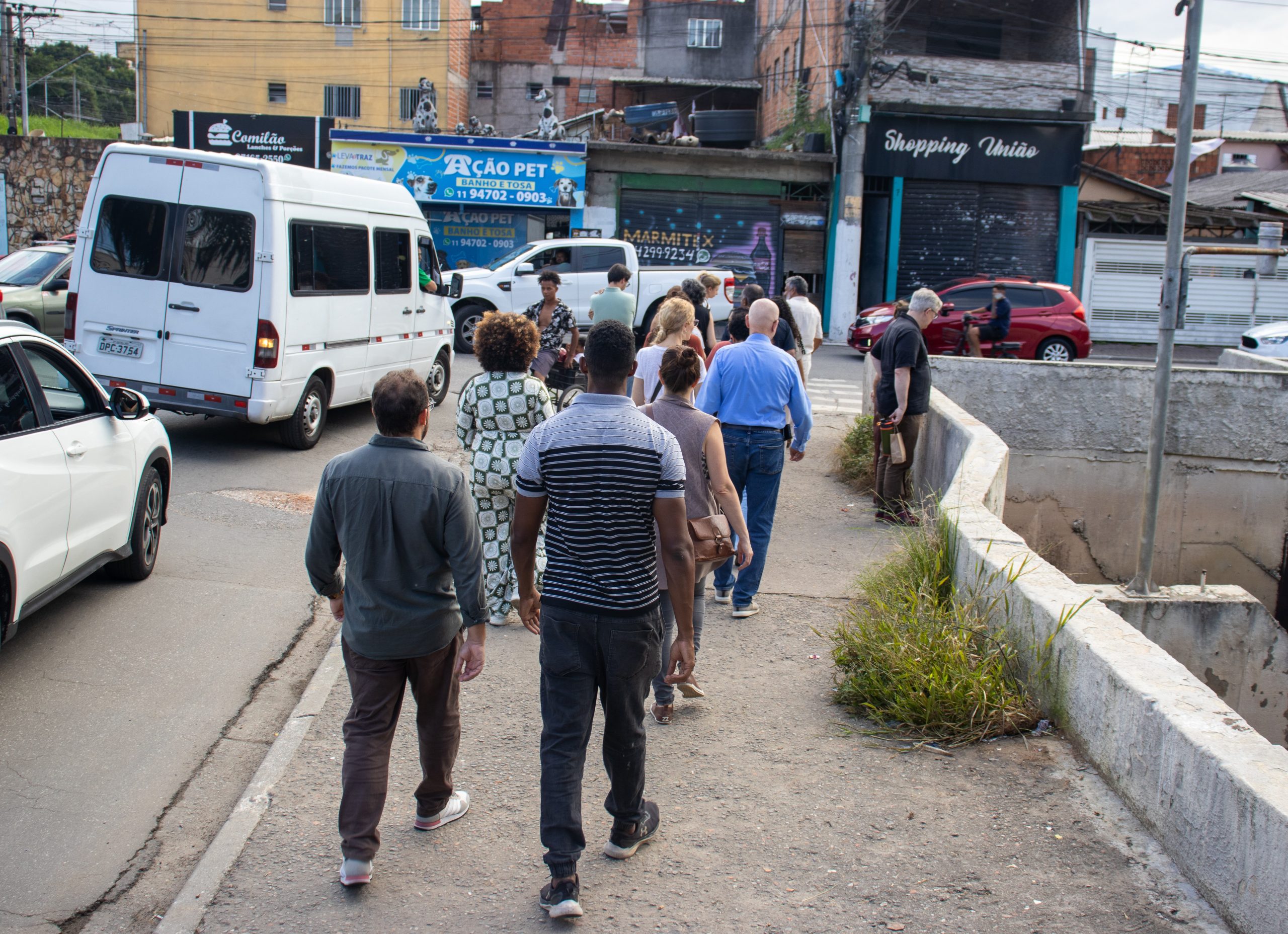
Walking tour through the União de Vila Nova neighborhood (SP) during a visit to Instituto Cacimba

During a walking tour, the group visited Uni-Diversidade da Quebrada, a space where Instituto Cacimba, together with Instituto NUA, develops projects focused on strengthening the União de Vila Nova neighborhood through education and culture. Initiatives include painting workshops, marketing and sewing courses, and “Desnegócio,” a program that fosters local entrepreneurship. The team presented the organization’s trajectory, detailed its projects, and guided the group through the spaces where activities take place.

They also explored expansion areas such as Parque Jacuí, where future plans and ongoing challenges were discussed.

“Our work is rooted in the community’s own demands. The initiatives presented show how local strengthening, combined with strategic partnerships, can generate concrete opportunities for education, income, and territorial development,” said Hermes de Sousa, President of Instituto Cacimba.


“In Brazil, ICOM was the first community foundation, established in 2005. Today there are 14, many of them well-structured, with strong local knowledge and the ability to mobilize resources. Their development requires a gradual and careful process—more about support than external direction. I like to compare it to blowing on embers: too hard and the fire goes out; too softly and it won’t ignite,” said Nick Deychakiwsky, Senior Program Officer at the Mott Foundation.

The visit reaffirms the relevance of the Transforming Territories Program as a strategy for strengthening community philanthropy in Brazil. Throughout the meetings, the central role of local foundations and institutes became evident in mobilizing local resources, engaging leadership, and building solutions aligned with the realities of each territory. Moving forward, Transforming Territories continues to advance this work.


Register for online: Brazilian Philanthropy Forum 2026

The 15th edition of the Brazilian Philanthropy Forum is already scheduled: on Thursday, August 27. For this year, the event brings as its central theme philanthropy “Between Essence and Reinvention.”

Once again, the event will take place in a hybrid format: in person for invited guests at Casa Melhoramentos, in São Paulo, and with a free live transmition on YouTube throughout the day.


At the Brazilian Philanthropy Forum 2026, we will explore the dynamic tension between permanence and transformation in philanthropy. In a context of accelerated social, political, technological, and climate changes, philanthropic actors are challenged to rethink their role in the world.

“Between Essence and Reinvention” positions philanthropy at a point of inflection. On one side lies its essence: ethical commitment, long-term vision, autonomy, the ability to take risks, and a focus on structural transformation. On the other side lies reinvention: digital disruption, new financial mechanisms, participatory governance, decolonial approaches, collaborative ecosystems, and adaptive strategies in the face of systemic crises. In this context, what must remain non-negotiable, and what needs to evolve for philanthropy to remain relevant and effective?

With the theme “BETWEEB ESSENCE AND REINVENTION”, the event will take place in person for invited guests and will be livestreamed for everyone interested in following the discussions.

REGISTRATION IS NOW OPEN FOR THE LIVE STREAMING

Registration for in-person will be sent soon.

Confirmed Speakers

Among the confirmed speakers are Claudia Buzzette Calais (Fundação Bunge), Mario Haberfeld (Onçafari), Rafael Ribeiro (Formigas-de-Embaúba), Ricardo Levisky (Levisky Legado) and Vitor Hugo Neia (Fundação Grupo Volkswagen).

Organizers and Partners

The Brazilian Philanthropy Forum is an initiative of IDIS – Institue for the Development of Social Investment, Charities Aid Foundation (CAF), and Global Philanthropy Forum (GPF). 

The Forum counts on Strategic Partner´s from Movimento Bem Maior and Fundação Bradesco; Gold Partner from RD Saúde; Silver Partner from Fundação Sicredi; Bronze Partner´s from Fundação ArcelorMittal, Fundação Grupo Volkswagen, Levisky Legado, and Instituto Sicoob; Institutional Partner´s from Fundo de Fomento à Filantropia and UNICEF. Media Partners are Alliance Magazine and Stanford Social Innovation Review Brasil. 

Brazilian Philanthropy Forum

The Brazilian Philanthropy Forum offers a space for the philanthropic community to come together, exchange experiences, and learn from their peers, strengthening strategic philanthropy to promote the development of Brazilian society. The event has gathered more than 1500 participants among philanthropists, leaders, and national and international specialists. On IDIS’ YouTube channel, playlists are available with recordings from all previous editions. Check it out!