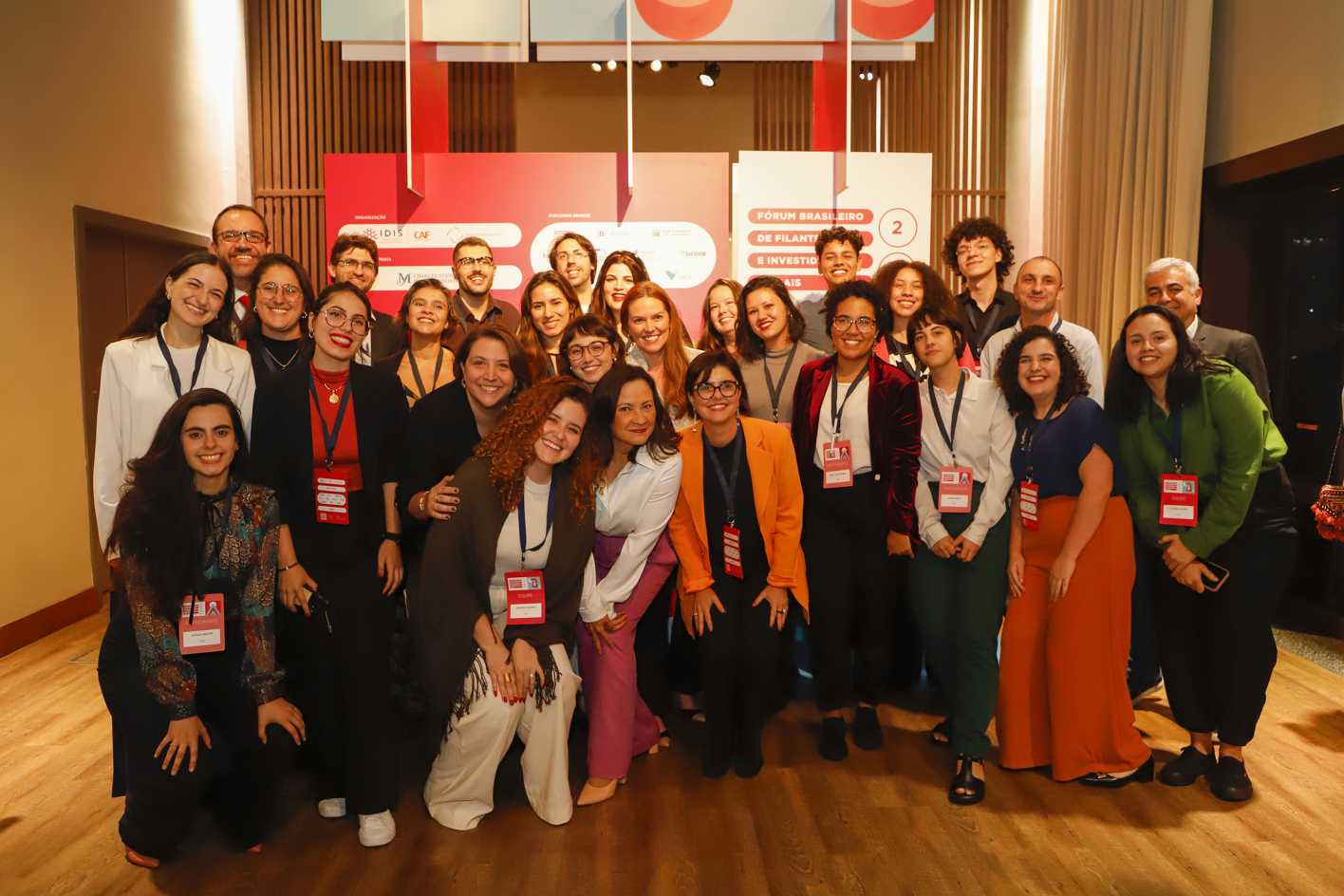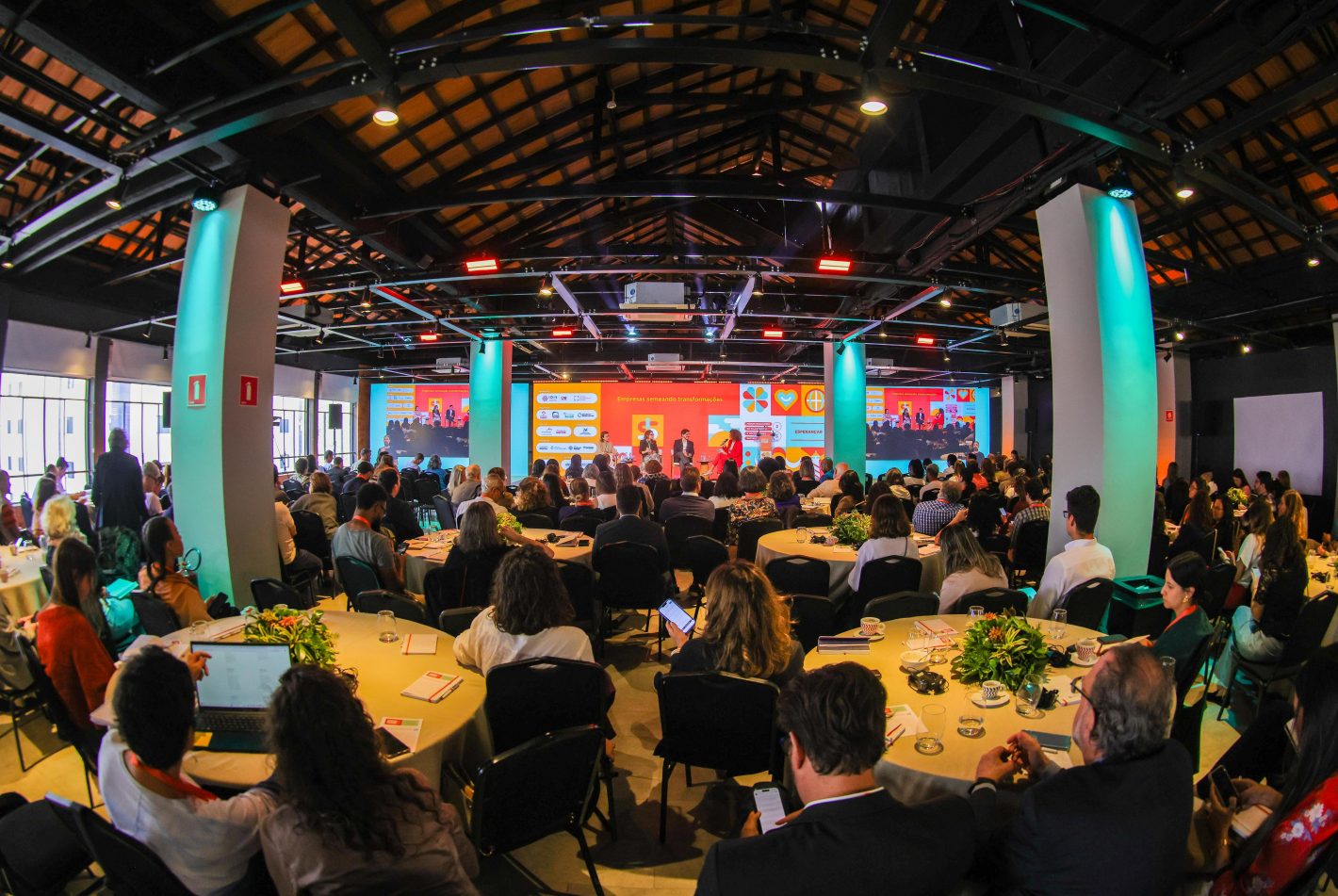
How can we put hope in action in philanthropy? How can data, technology and artificial intelligence drive social transformation? What influence does family philanthropy have? And how can philanthropy actually lead us to a more equal society?
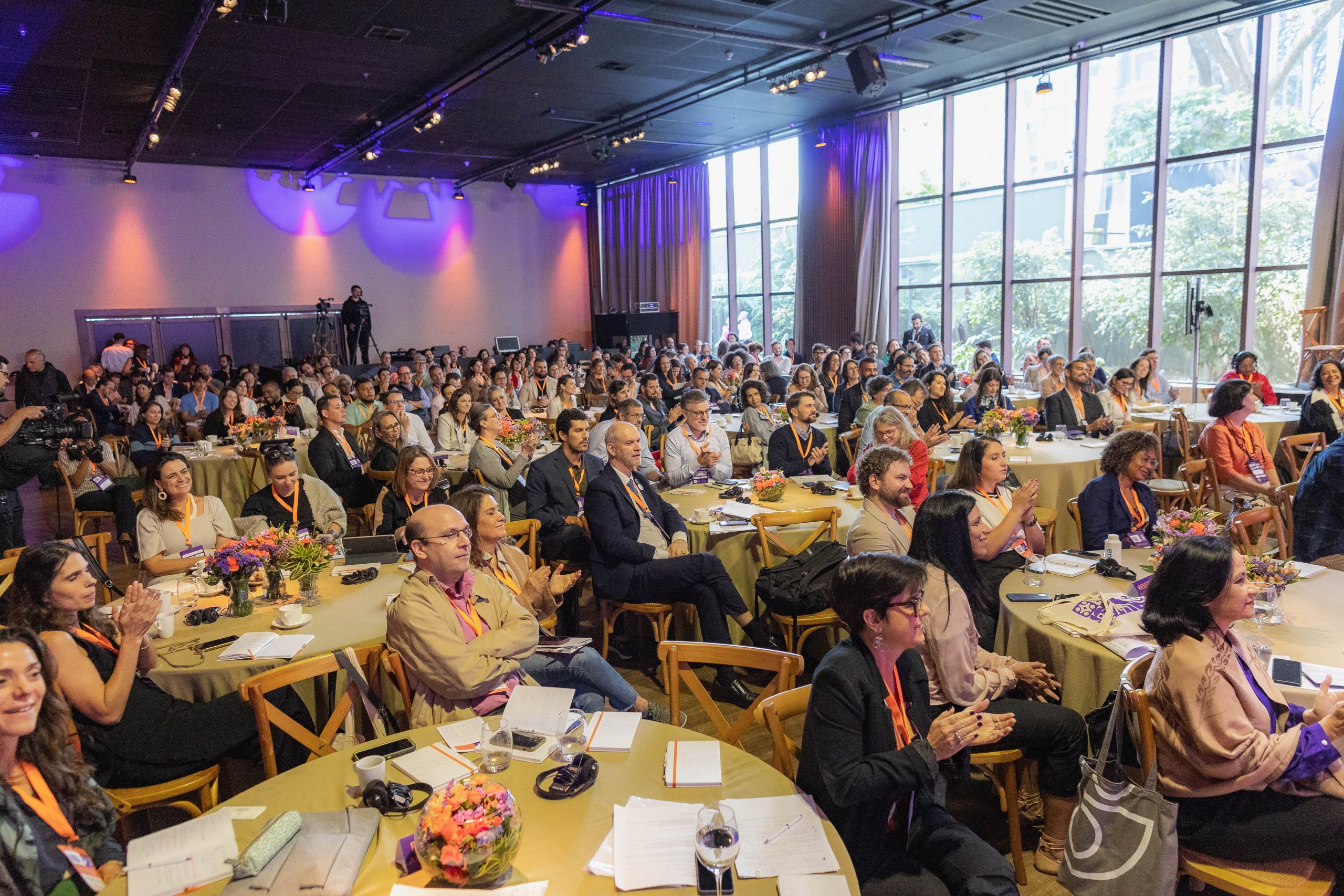
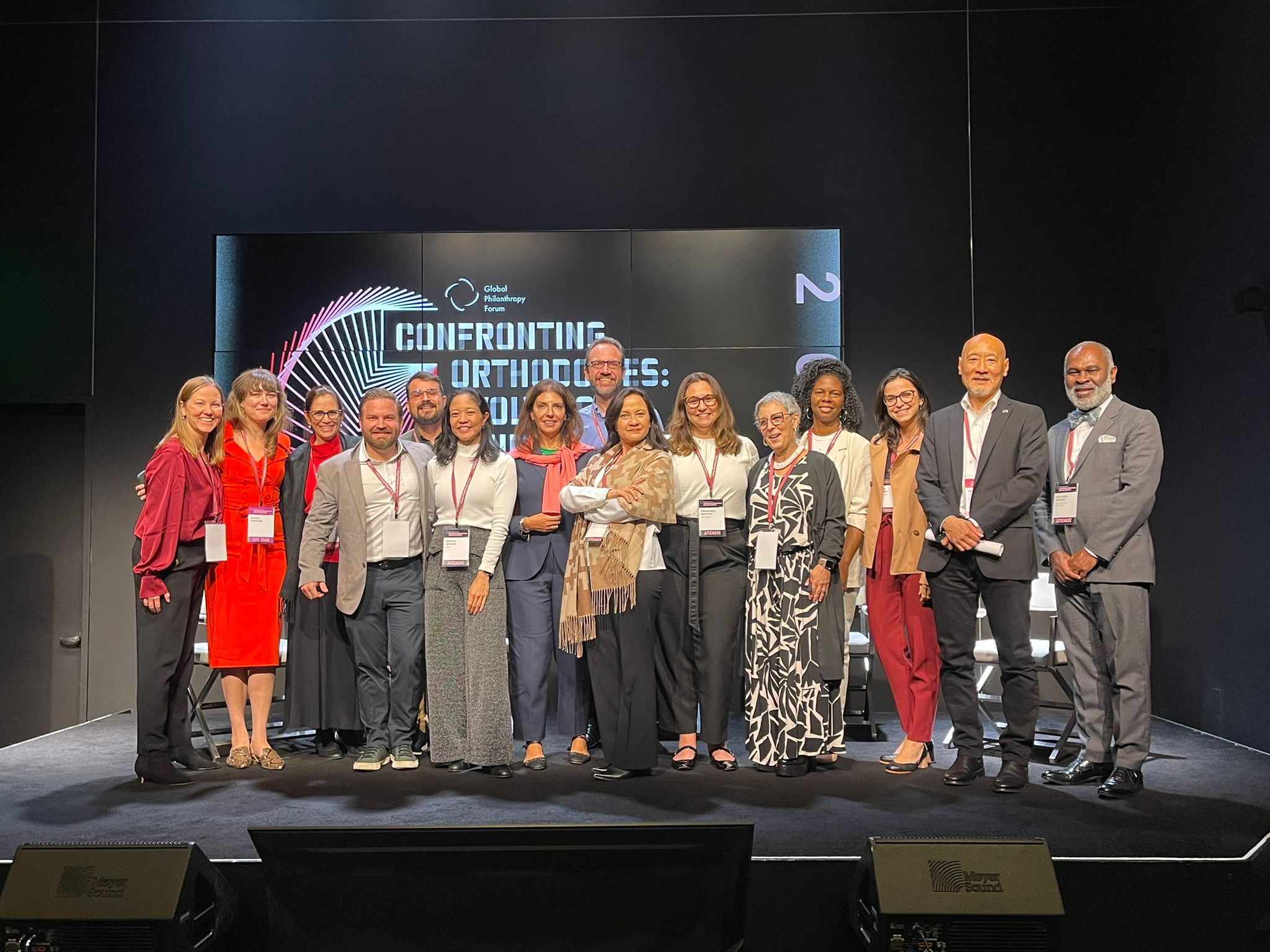
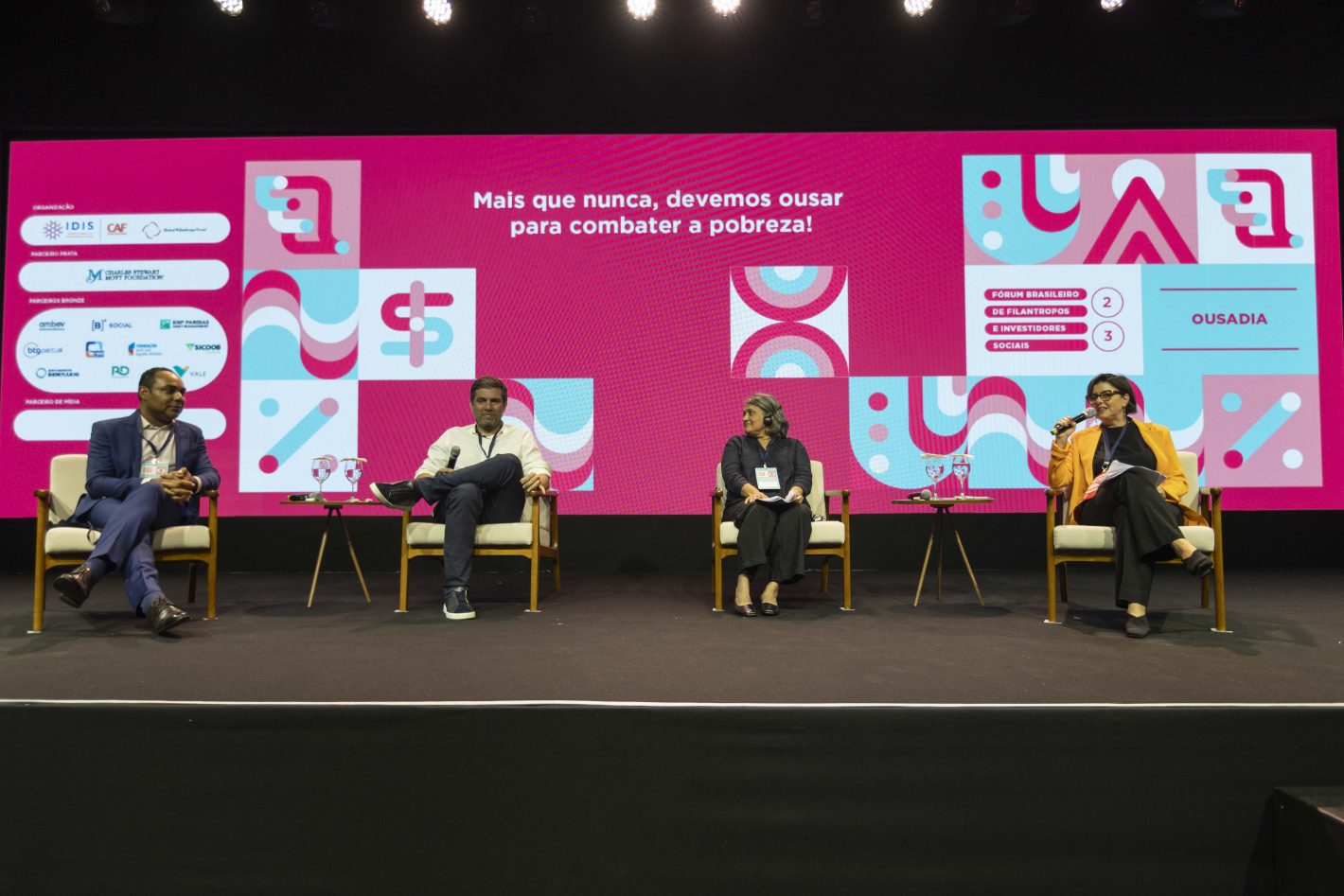
These and many other questions guided the discussions at the 14th Brazilian Philanthropy Forum, held on October 1st, 2025, and organized by IDIS – Institute for the Development of Social Investment. The event brought together influential leaders from Brazilian and global philanthropy, as well as representatives from civil society and the private sector.
With the theme ‘Hope in Action’, the Forum was organized in partnership with the Global Philanthropy Forum and Charities Aid Foundation.
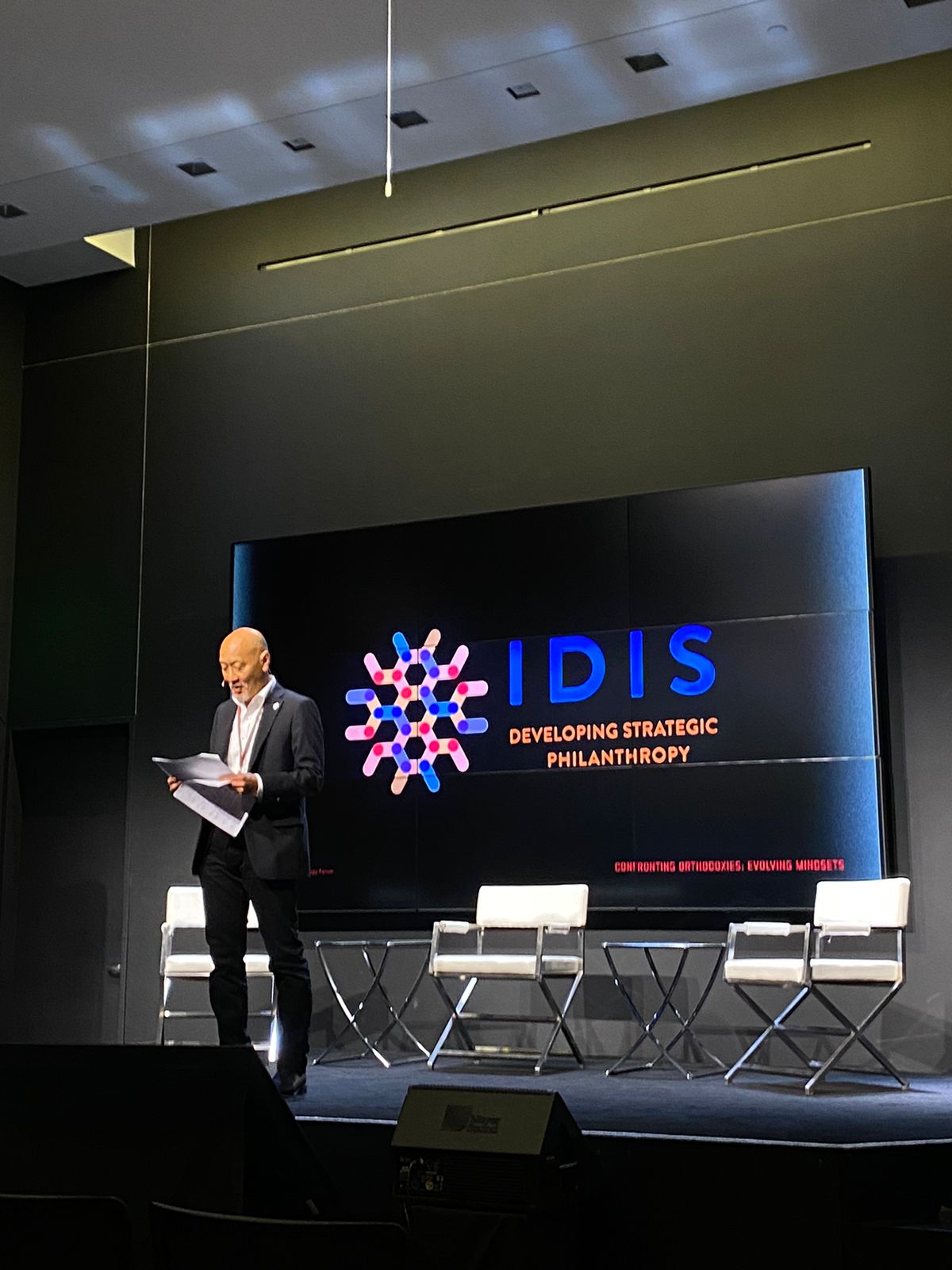
“It’s easy to feel paralyzed, with the future clouded by uncertainty. But I look around and see you – people who dedicate themselves every day to causes like education, health, climate, human rights, income generation, racial equity, culture, and so many others. You are not just waiting – you are acting,” emphasized Paula Fabiani, CEO of IDIS, in her opening remarks.
Climate urgency and socio-environmental justice
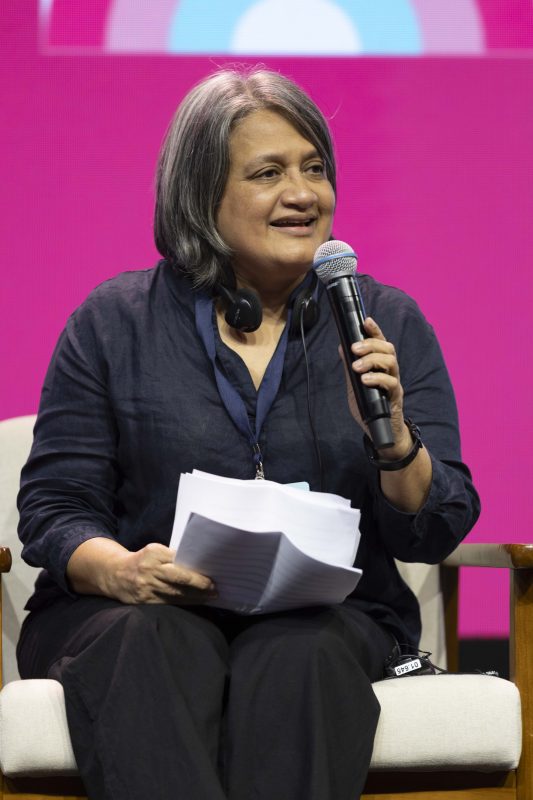
“Disaster is the vulnerability to the event, not the event itself”. With this reflection, Patricia McIlreavy, President and CEO of the Center for Disaster Philanthropy, opened the first panel, which addressed climate change and socio-environmental justice. She was joined by Alice Amorim, from the COP30 Presidency, Viviana Santiago, from Oxfam Brasil, and moderator Malu Nunes, from the Boticário Group Foundation for Nature Protection.
Her words connected with the broader theme of the session: that crises reveal inequalities already present, and philanthropy’s response must prioritize people. The panel emphasized placing communities at the center of decision-making, fostering multi-stakeholder alliances, and integrating environmental and equity agendas.
The role of corporations and social investors
Discussions also explored how companies can become agents of transformation — going beyond grant-making to embed purpose in their value chains and strategic partnerships. Philanthropy, in this view, becomes not only a moral duty but a strategic investment in both society and business.
“In these moments of uncertainty and difficulty, the role of social investors and corporations has not changed”, said Alejandro Alvarez von Gustedt, Vice President of Rockefeller Philanthropy Advisors in Europe. “The environment may have shifted somewhat, but what we need to do to achieve impact by supporting communities remains essentially the same: the path is engagement and partnership. Above all, within communities, we must listen, collaborate, and build those partnerships. That’s how we can maximize the social return on every dollar or real invested”.
When it comes to the influence of family philanthropy, Carola Matarazzo, Executive Director of Movimento Bem Maior and Chair of the GIFE Governance Council, opened the discussion by revisiting the historical evolution of family giving in Brazil and the lessons learned along the way. She highlighted family governance as a key pillar and reflected on how different generations have contributed to shaping new approaches, often guided by the idea of transforming inheritance into legacy.
Innovation, technology and trust
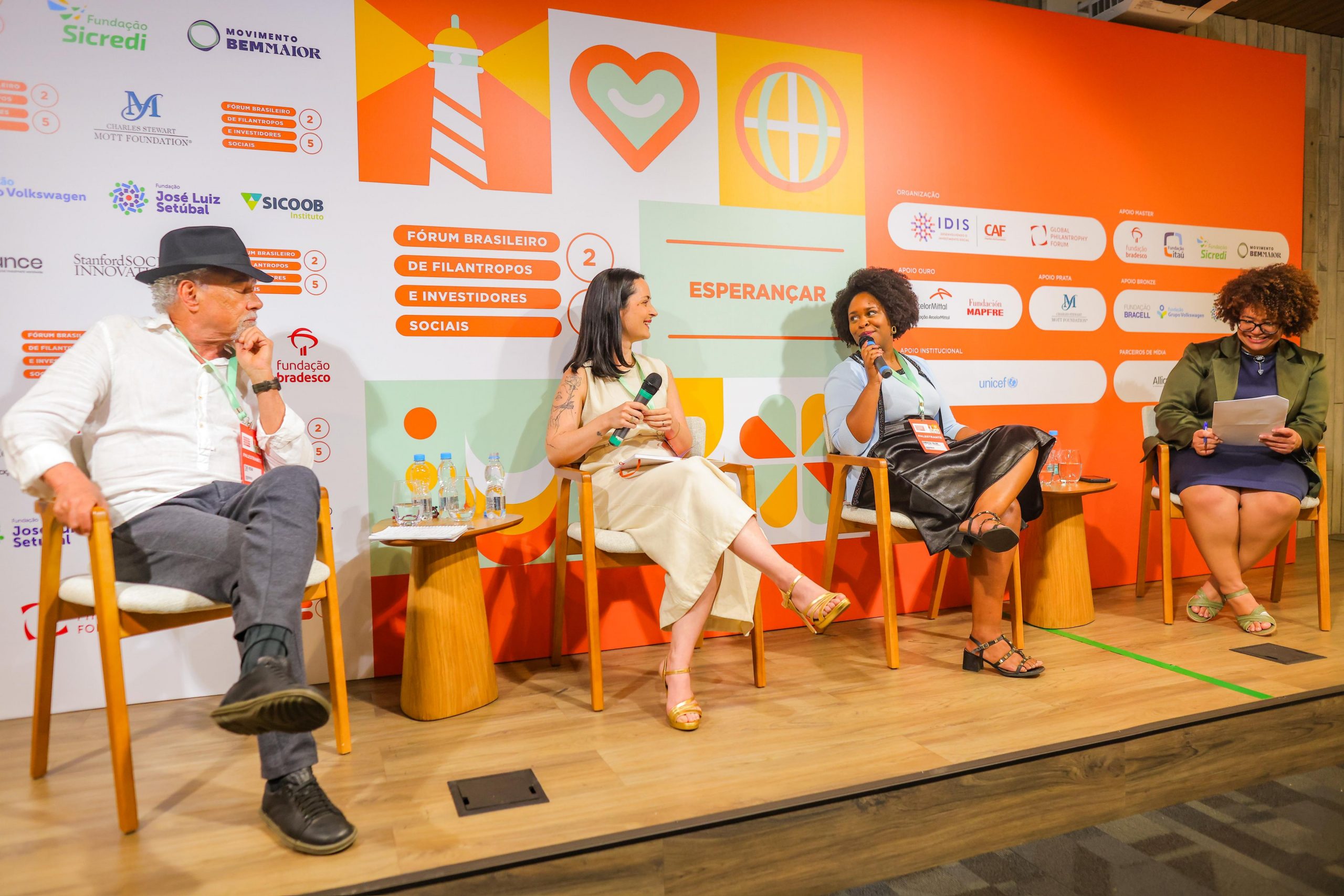
The Forum also explored how digital tools, monitoring systems, and shared platforms can help philanthropy scale and become more agile, while emphasizing that innovation must remain rooted in listening, equity, and trust.
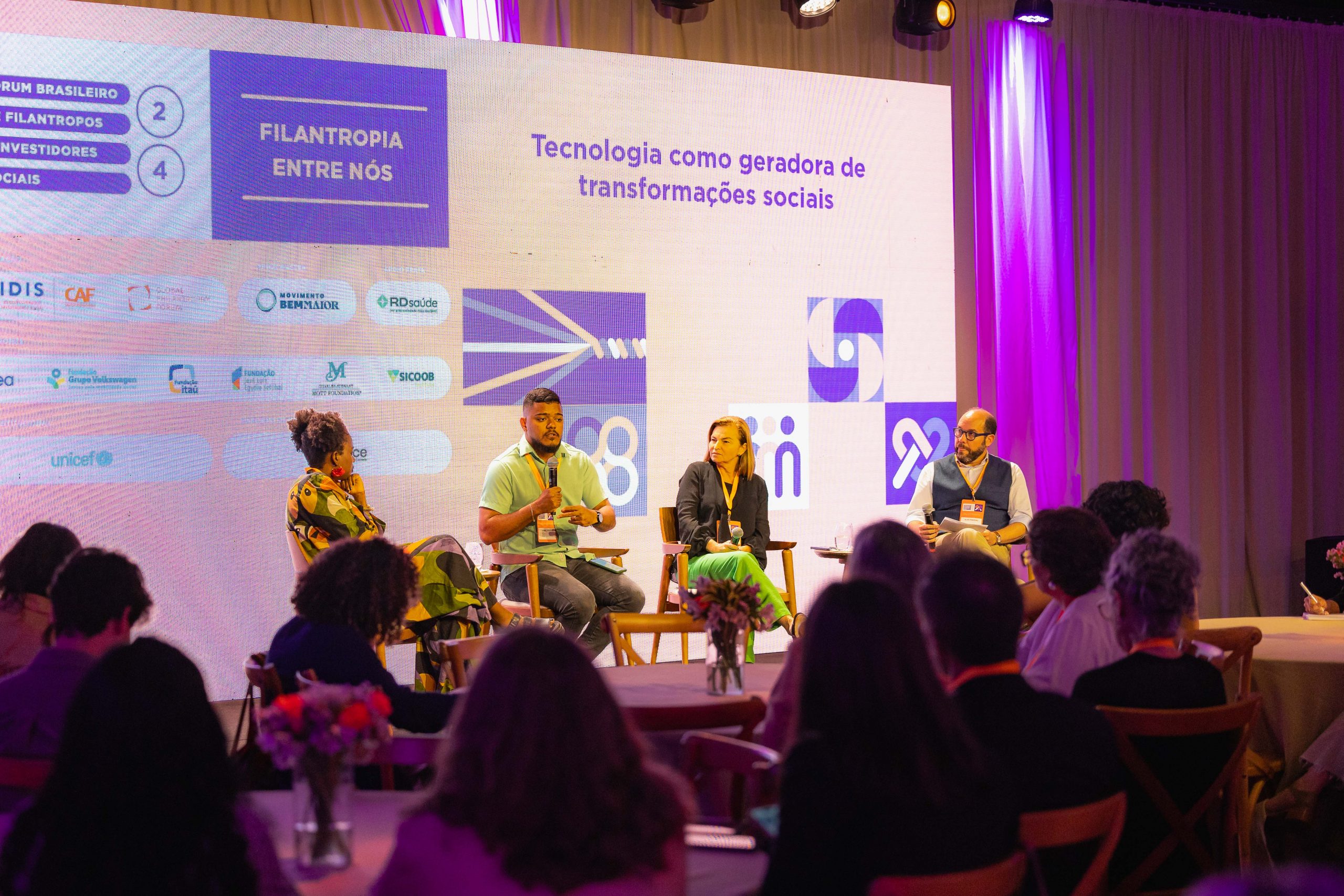
In the panel “Putting Hope into Action, Not Just Waiting: Monitoring for Bridge Building”, participants reflected on how data, power balance, and trust intersect in evaluation processes. Meanwhile, “Innovation and Technology: From Dystopia to Utopia” showcased practical experiences demonstrating how technology can strengthen public management, drive structural change, and promote a culture of evidence-based learning focused on social transformation.
The closing plenary brought together leaders from diverse sectors and countries, reinforcing the importance of collaboration across perspectives to build a more just and prosperous future.
“We certainly face enormous challenges, but we have seen throughout today that they do not paralyze us,” said Paula Fabiani, CEO of IDIS, in her closing remarks. “As Paulo Freire, who coined the term ‘hope in action’, once said, ‘I am not hopeful out of stubbornness, but out of existential and historical necessity.’ Today we celebrated the dreams – and the persistence – of people who act in pursuit of a more just and sustainable world.”
Watch the full event here:
About IDIS
We are IDIS – Institute for the Development of Social Investment, a civil society organization founded in 1999 and pioneer in technical support to social investors in Brazil. With the mission to inspire, support and promote strategic philanthropy and its impact, we serve individuals, families, companies, corporate and family run institutes and foundations, as well as with civil society organizations, in actions that transform realities and contribute for the reduction of social inequality in the country. Our actions are based on the tripod of generating knowledge, offering advisory and developing social impact projects that contribute to the strengthening of the ecosystem of strategic philanthropy and of giving culture.