This article was originally published in Alliance Magazine on November 5, 2025
By Carola Matarazzo, CEO of Movimento Bem Maior
At the 2025 Brazilian Philanthropy Forum, the theme wasn’t centered on metrics, innovation, or scale, though all of these remain relevant. It was built around a term: hope in action. Not a noun, but a verb. Not a feeling, but a movement. In the spirit of past themes like collaboration and boldness, this year took a step further into action, choosing a verb with deep Brazilian roots and layered meaning.
In Portuguese, esperança means “hope,” but esperançar, a term revitalized by educator, writer and theologian Rubem Alves and widely embraced in the education and social fields, means to hope by doing: to choose, to act, to move toward something better. It’s hope with intention. Hope in motion.
In many ways, esperançar was an invitation to shift our posture. To act differently. Because to truly leave your comfort zone, you don’t need to cross physical borders, you need to cross internal ones: of control, detachment and certainty. And that shift begins, always, by listening.
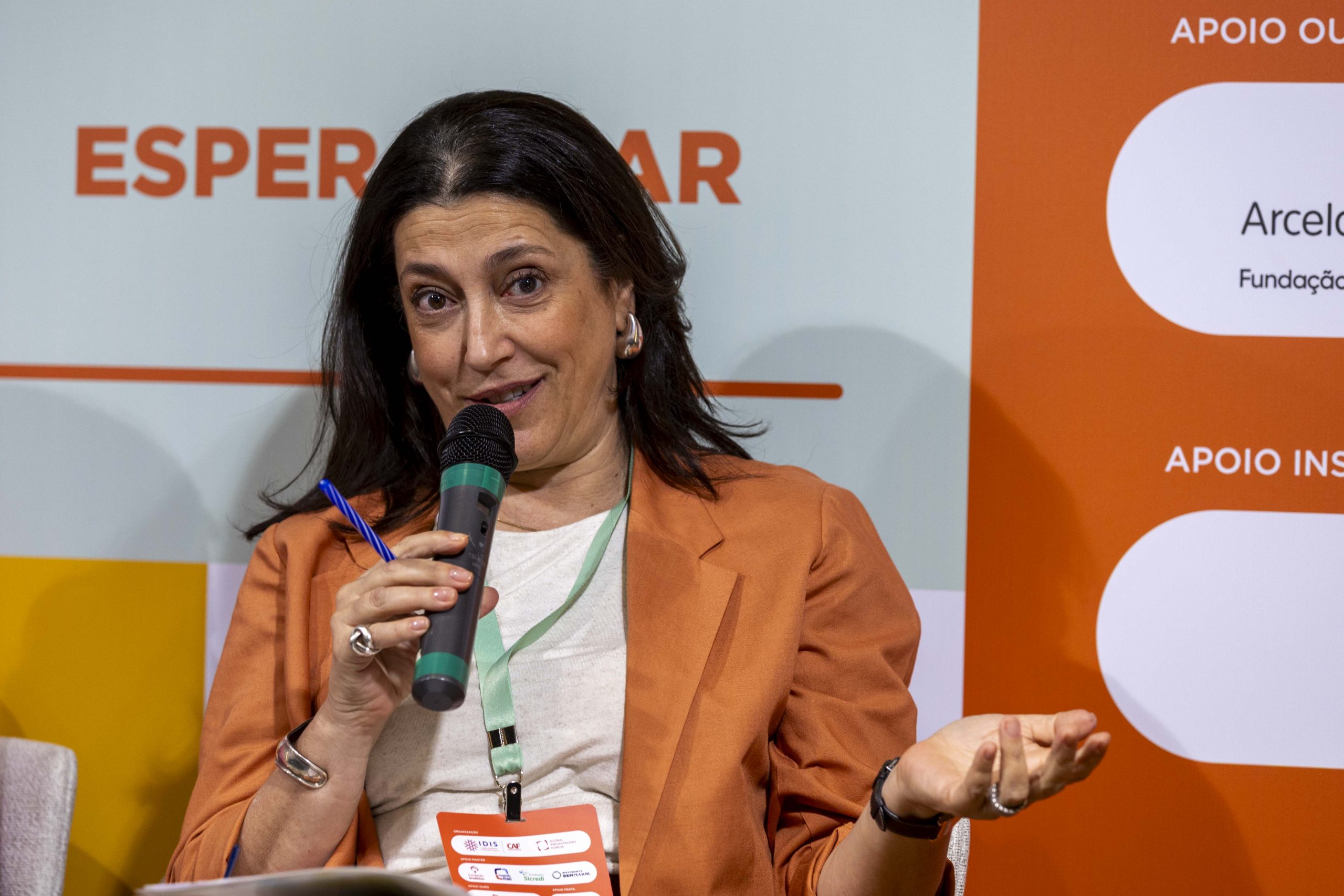
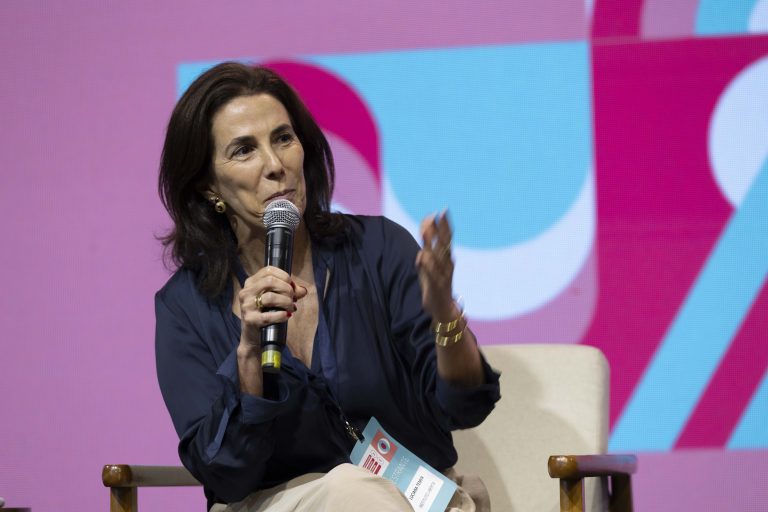
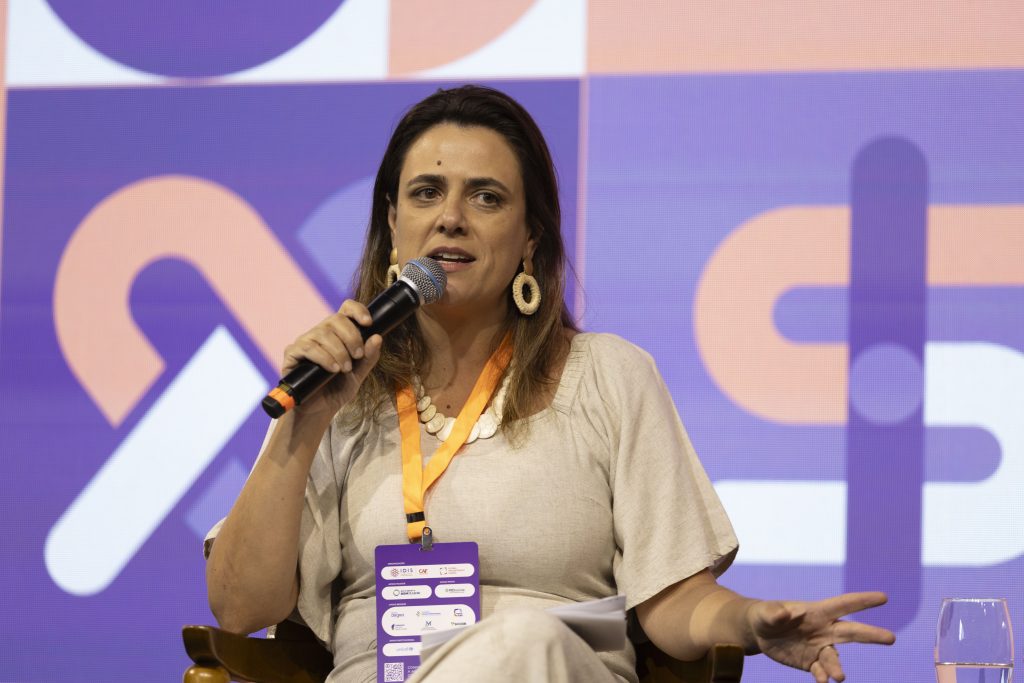
Carola Matarazzo during the Brazilian Philanthropy Forum 2025. Photo: Andre Porto
In English, “hope” is already a verb. But in Portuguese, this transformation from noun to action carries symbolic weight. It signals a move from intention to commitment. It reminds us that, especially in a country like Brazil, where complexity is structural and inequality historical, to hope is to act. And, as Indigenous leader Daniel Munduruku reminded us during the event: ancestrality is not the past, it is the present.
For those of us working in philanthropy, this shift is urgent. Because comfort in philanthropy doesn’t stem only from where we sit, but from how we act.
Many of us operate with good intentions but outdated logics. We hold onto centralized decisions, standardized metrics, universal solutions. And while we speak of transformation, we often cling to control. Strategy without listening becomes imposition. Measurement without learning becomes vanity. And donating, without acknowledging and believing it is a social movement, becomes maintenance of the status quo.
What I witnessed at the Forum, in conversations, silences, moments of shared discomfort, was a growing collective awareness: to truly leave our comfort zone, we must start by listening. And not globally. Locally.
Listening locally means recognizing the power of those already doing the work, often far from the spotlight. It means honoring the legitimacy of local philanthropists, leaders who live the realities we try to “impact.” These are the people practicing what some call acupuncture philanthropy: identifying key pressure points in their communities and activating change with precision, trust, and deep relational intelligence.
The Brazilian philanthropic field is slowly, but steadily, embracing this logic. Moving from speaking for to building with. From delivering programmes to redistributing power. From occupying space to cultivating partnership. The territory, once seen merely as a beneficiary, is finally being acknowledged as a source of strategy, innovation, and leadership.
At Movimento Bem Maior, this reflection is at the heart of our movement. We believe that systemic change is driven by building collaborative infrastructures that sustain complexity. This means mobilizing not only financial resources, but also reputational and political capital, forming networks of support that move with clear intention. It means drawing from the collective intelligence embedded in local communities, listening deeply to those who face the challenges and are already designing solutions. And it requires intentional alliances that bridge sectors, perspectives, and institutions. These alliances must not be merely symbolic, but structurally committed to lasting transformation.
To “cross borders” does not necessarily mean going far; it means going deeper. To move toward complexity, contradiction, and co-creation. To truly leave your comfort zone, you need to shift your posture. It is in that shift that we begin to see that many of the answers we seek are already here, in the territories, in the relationships, in the people who have long been sustaining life at the margins.
Esperançar reminds us that hope is not a concept. It is a verb. And listening is one of its most powerful forms.
 “We’re not able to live properly. Living properly is not only living well, living properly is making all of us, regardless of being Indigenous people or the quilombolas or non-indigenous populations, but it’s also for all of us to have a quality of life and for us to be able to make everyone have air that we can breathe in with quality. But all of these responsibilities are placed on the indigenous populations because of the forests, because of the Amazon where we are inserted. And I would like to say that it is not a responsibility of the Indigenous populations, it’s a responsibility that we all have: the Indigenous people, the representatives of companies and organizations that are here, all the citizens and especially the government, because the Brazilian government has the duty of guaranteeing our rights”, says Claudia.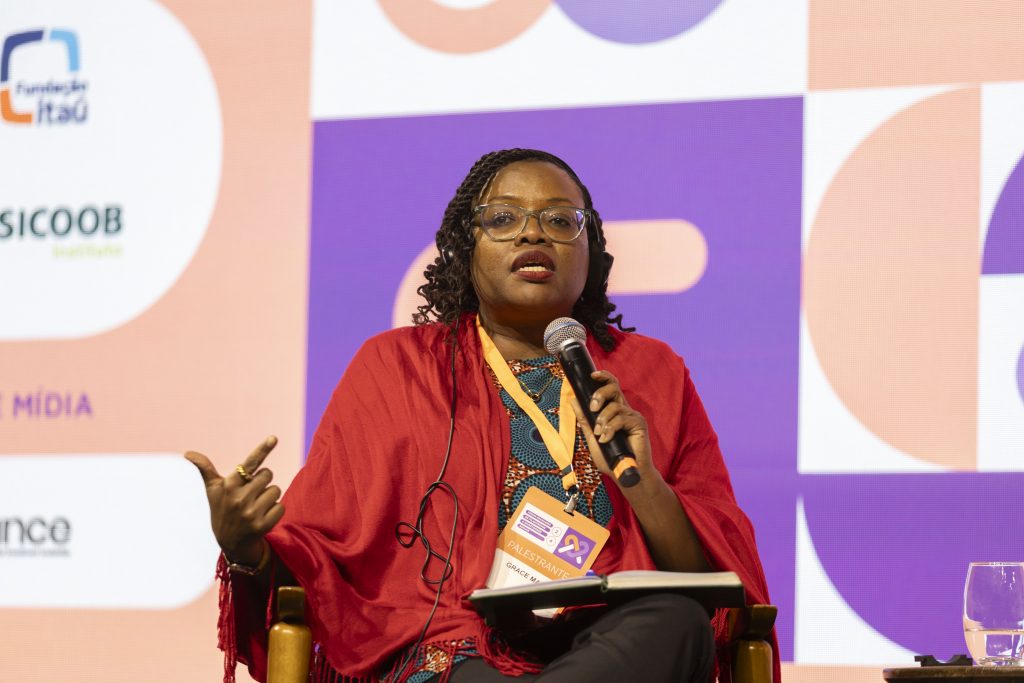
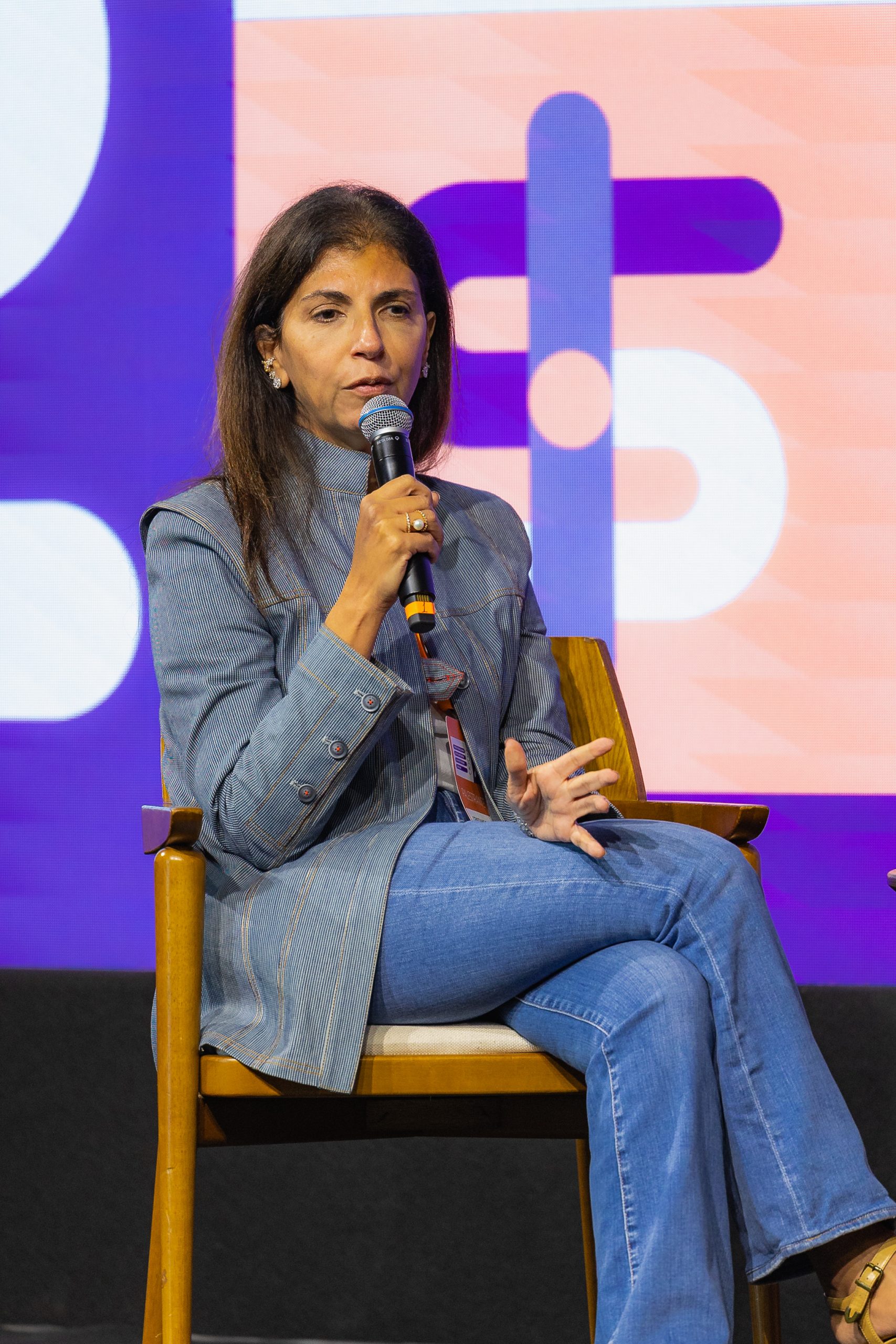 Reinforcing the importance of acting collectively and hearing different actors, Cristiane Sultani talked about how, in her philanthropic path, meeting, listening and collaborating with people were the key aspects that transformed her journey in the field. Since she founded Beja Institute, in 2021, she has tried ‘to philanthrope’, as she likes to say, in a strategic and collaborative way, although she recognizes that she is not always able to do so. The hearing of the sector’s demands, researching global philanthropic tendencies and inspirational success stories helped her along her own process.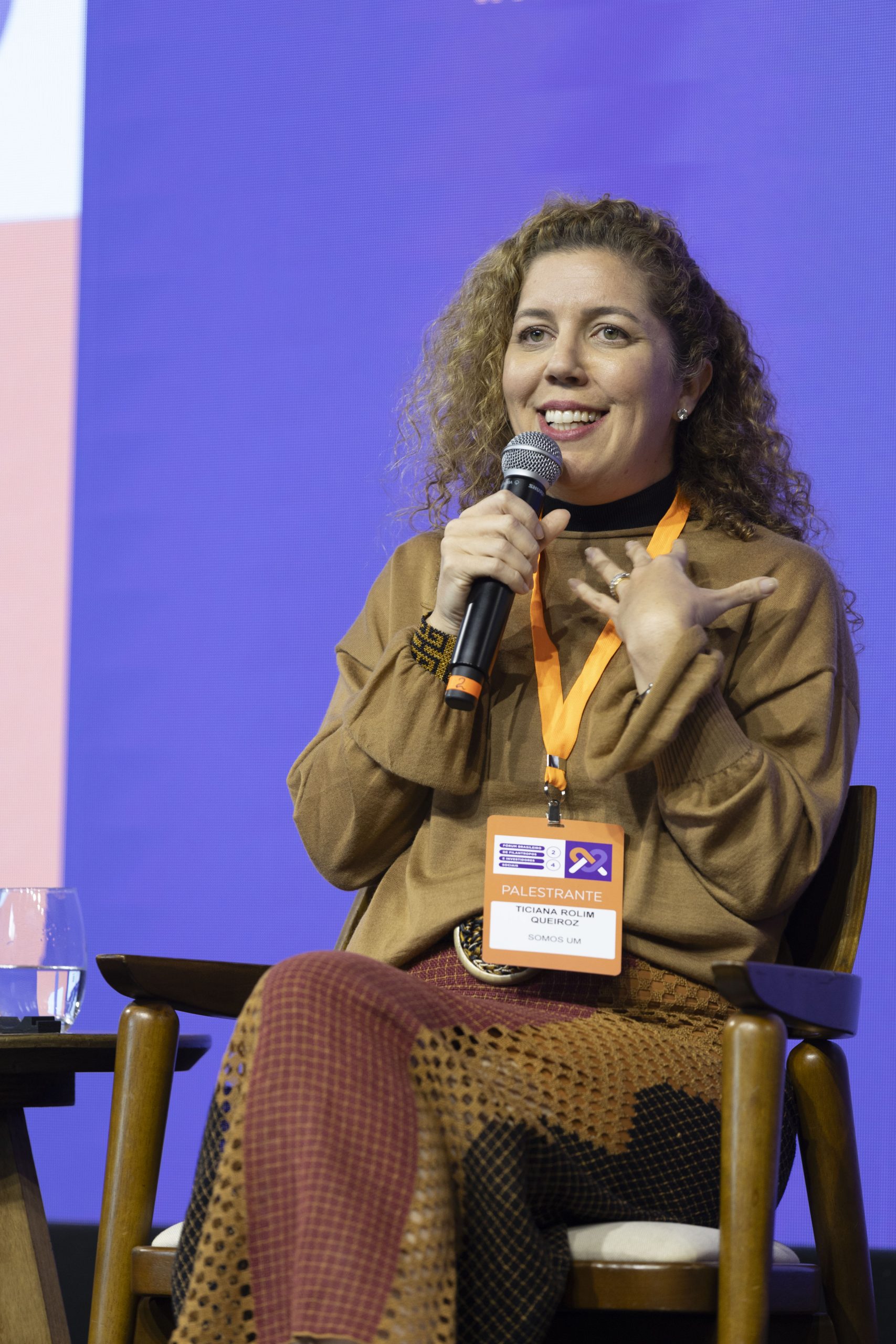

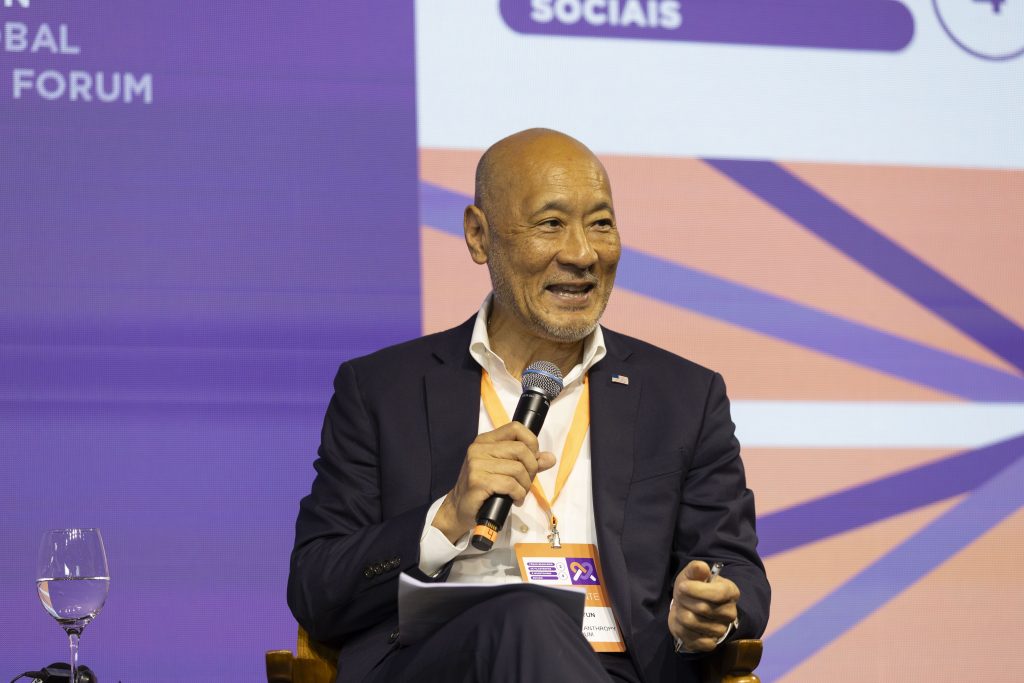
 Amongst the many meanings of the Portuguese polysemic word ‘nós’, one of the most commonly used is to say ‘us’. But the panelist’s speeches pointed out a meaning of the word contrary to this word: the lack of collectivity – maybe the main challenge we must face in contemporary society. Sergio Fausto, General Director of Fundação Fernando Henrique Cardoso, says: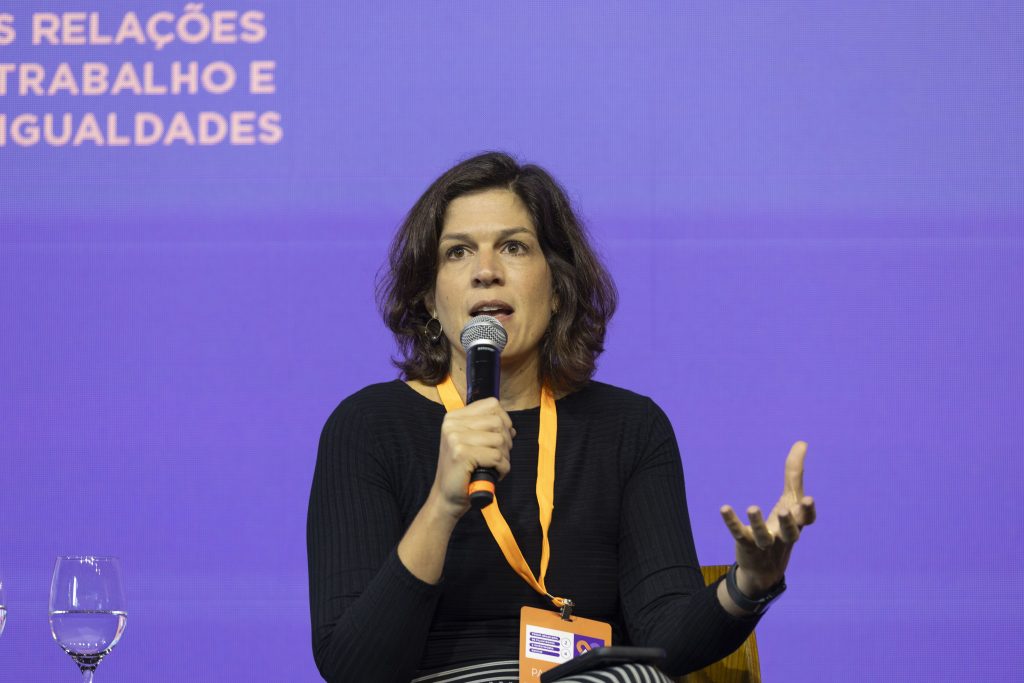
 Cida Bento, cofounder of the Center for Studies on Labor Relations and Inequalities, reinforces the importance of collectivity through the establishment of networks, and she goes even further defending a change in the power structure, bringing more diversity and, therefore, plurality of voices and interests to philanthropy. The search for solutions and the decision-making process lacks perspective from the part of the population that has been historically marginalized, the one’s who suffer with social, economic and environmental challenges in the current reality.