The World Economic Forum, held annually in Davos, is one of the main barometers of the priorities guiding global political, economic, and business leaders. The meeting reveals, both through what is widely discussed and what is not, which agendas are shaping decisions that affect development, international stability, and the planet’s future.
In a context of simultaneous crises – climatic, social, economic, and geopolitical -, Davos offered an opportunity to observe how these dimensions are articulated within global discourse. Anxiety about the geopolitical future’s uncertainty was evident in conversations in cafés and during breaks between sessions.
Under the theme “A Spirit of Dialogue”, the Swiss town hosted a program that included heads of state and government, as well as numerous parallel events promoted by countries, companies, banks, consultancies, multilateral organizations, and civil society groups, spaces where narratives, solutions, and priorities are actively contested.
It was in this environment that I participated in a series of debates and meetings, including gatherings such as Brazil House, where I met the renowned climatologist Carlos Nobre, who remains consistently clear about the prospects for the global climate agenda.
While artificial intelligence was treated as a structuring axis of the future economy – with debates about productivity, competitiveness, regulation, and ethics – it was frustrating to see the climate crisis appearing, when mentioned at all, disconnected from these same discussions. As if it were possible to think about innovation, growth, and prosperity without considering the environmental limits that shape any long-term development project.
At the same time, Davos also hosted important discussions on philanthropy, responsible investment, impact economy, and new financial arrangements. A question that ran through many of these conversations was how to attract more capital to initiatives that generate positive social and environmental impact.
Examples such as Patagonia’s governance model were cited as references in institutional innovation, capable of aligning mission, business, and impact consistently. There was also frequent discussion of the use of “blended” structures that combine philanthropic capital with resources aimed at financial return. A positive signal came from the United Kingdom, with the creation of the Impact Economy Office, a government department dedicated to structuring and strengthening the impact economy.
Another point of convergence in the discussions was the need for collaboration. Partnerships among governments, the private sector, and civil society organizations were presented not merely as desirable, but as mandatory, given the complexity of today’s challenges.
During my participation as a speaker at the parallel event “The Art of Creating Value,” I shared the case of Juntos pela Saúde, an initiative of BNDES (Brazil’s National Bank for Economic and Social Development) managed by IDIS (Institute for the Development of Social Investment). In partnership with private donors, the initiative allocates resources to strengthen Brazil’s public health system (SUS) in the country’s North and Northeast regions. I also presented evidence of the transformative power of philanthropic giving through the example of MacKenzie Scott, who has directed US$26 billion to 2,700 organizations around the world, 28 of them in Brazil.
The overall impression that remains is one of dissonance between the agendas dominating global discourse and the magnitude of the crises we face today. Davos points to trends, but it also exposes silences.The challenge lies in transforming technological innovation, financial instruments, and multilateral agreements into integrated responses capable of addressing simultaneously the climate crisis, social inequalities, and geopolitical instability.
For Brazil, this reflection takes on even greater significance. In the post-COP30 cycle, the country still has the opportunity to position itself at the center of global debates on climate, social justice, democracy, and biodiversity.
Davos shows that there are people, institutions, and leaders genuinely committed to the future of the planet, but it also makes clear that many challenges remain. Hope alone is not enough. It must translate into political, economic, and institutional choices that are consistent with the urgency of the crises we face.
*By Felipe Insunza Groba, Juliana Santos Oliveira and Paula Jancso Fabiani
Succession is a challenge inherent to life and it is tangled with every part of society, being family businesses, where the conflict over inheritances can generate fights that are almost fratricidal, such as the one seen in the TV series ‘Succession’; in politics, where periods of leadership transition are often scared with instabilities; or even at the core of religious doctrines, such as the dispute between shiites and sunnis, the result of a succession conflict that occurred after the death of prophet Muhammad.
Humanity is filled with examples of how succession can be a decisive moment in history, shaping a nation’s future and triggering big social transformations and, in Brazil, it is no different. After almost fifty years of Dom Pedro II’s reign, the monarchy, lacking a well structured succession, started to slowly decay, showing how the absence of planning can weaken even solid institutions.
When we talk about the business world, the recent passing of Silvio Santos, one of the biggest names in Brazilian television and founder of the Grupo Silvio Santos, calls into question the continuity of the company as we know it today. Throughout decades, Silvio built a media and business empire based on his own personal image, leaving a great challenge for his successors to deal with his absence.
And when it comes to the social sector, this pattern repeats itself. Remarkable visionary leaders, gifted with passion and vision, are the soul of many civil society organizations. These people dedicate their lives to a cause and to the common good, captivate people to contribute with their organization and manage it as if they were their own children. However, this same passion that structures and drives these organizations can become an obstacle when it comes to succession, resulting in the so-called founder’s syndrome. This phenomenon, characterized by the founder’s difficulty in delegating responsibilities or preparing new leadership, can establish an extreme dependency on its main spokesperson. Like so, it negatively impacts organizational culture, making leadership transitions much more difficult. The syndrome may also directly compromise the decision-making process, jamming the institution’s capacity for innovation.
Ending or reducing the effects of founder’s syndrome requires a clarity of purpose and planning, with actions that ensure a progressive division of the decision-making process as the organization matures. One of the main approaches is the strengthening of the organization’s governance through the creation of a Board, in which the members are truly independent and have real voice and power in decision-making. This helps because the inclusion of people with different profiles and with no emotional connections with the current leadership allows the renewal of ideas and the mitigation of the excessive influence of long-lasting leaders or even founders, ensuring that governance will be more balanced and representative.
This process is usually not simple once the distribution of power is not limited to technical matters and must consider the emotional connections and vanities inherent to human nature. Gradually sharing responsibilities and delegating assignments before the succession itself is a way to prepare the new generation of leaders and build trust in their capacities, reducing conflicts and possible resistances. Many organizations chose the creation of succession committees, who are dedicated to proposing an action plan, mapping talents and monitoring the succession processes, guaranteeing that they are well conducted.
The organization’s leadership transition, however, must be incorporated into a broader succession and contingency plan. A founder’s withdrawal is just one of the possible changes that may challenge the maintenance of an organization, and a good succession plan must also oversee the replacement of other key leaders and collaborators throughout time. Identifying key seats inside the organization and developing individualized action plans for those positions is crucial. IDIS went through a succession process in which the founder worked closely with the new leadership and the Board to ensure a positive transition for the organization, preserving its culture, values and acquired knowledge. And we currently have been working on the succession process for strategic directors and managers.
To reduce the stigma and fear of succession conversations in an organization, it is important that this topic is frequently discussed in a respectful and honest manner, together with the governance members and collaborators. When it comes to external communication, the best practice is to inform relevant successions to different stakeholders, partners and donors who are assisted by the organization. This assures that all parties involved are prepared and aligned with the transition process, diminishing the feeling of rupture that might be generated by change.
Financial sustainability is another essential factor in guaranteeing smooth succession processes. Endowmentsrepresent a strategic solution to ensure the longevity of a civil society organization. These funds, when managed responsibly, can provide enough resources to pay future executives, especially positions occupied by volunteers who will be replaced by paid successors. Beyond ensuring long-term resources, the creation of an endowment fund provides safety to collaborators regarding the future of the organization even after a leadership change.
Although the succession process is filled with uncertainties, when embracing new voices and knowledge, organizations have a chance to review their mission, activities and practices, aligning themselves with the new social demands and strengthening their relevance. Succession, nevertheless, should not be faced only as a challenge, but also as a window of opportunity to promote innovation, a chance to learn with the past to work on the future. The lack of succession planning can compromise the longevity of social projects and undermine thousands of people who benefit from it or even depend on these organizations. To leaders who will be followed, direct involvement with successors is crucial. Engaging with the matter in a proactive manner and before it is too late is the only way to ensure the impacts made in people’s lives are perpetuated.
Every day, we work to promote a better future for this generation and others to come. We dream, plan, act, monitor and evaluate impact, in the hope that we are contributing to a fairer and more supportive world.
In 2024, this work continued at a steady pace, but it was a particularly special year. IDIS completed 25 years, an opportunity to celebrate our past, recognize achievements, lessons, and especially, people. Inspired by the theme ‘Social Investment is about people’, we guided our celebrations with a campaign that reflected what is crucial in our work.
Social Investment is about people because it is made by the actions of people for people. Because it requires dialogue, involves disagreements and consensus, mistakes and success. Because it brings us closer and moves us. This message guided us through in-person and online actions, including an unforgettable event at MASP – Museu de Arte de São Paulo Assis Chateaubriand, a cultural landmark in São Paulo, with reunited those who have been and still are a part of the institute’s history. It was also on this occasion that we launched our institutional video. Watch it here!
A legacy for the future: Promoting Philanthropy Endowment
This historical year was the perfect moment to make an age-old dream come to reality: the creation of the Promoting Philanthropy Endowment. This is the first Brazilian fund dedicated to strengthening philanthropy and giving culture in the country. With a solid financial foundation, we can guarantee project sustainability, multiply initiatives and reach even more people, promoting long-lasting changes. This is a legacy that belongs to all of those who believe in the transformative power of philanthropy.
The endowment closed of the year of 2024 with a patrimony of 9.3 million BRL (approximately 1.52 million USD), which was a result of contributions of varying amounts and a matching made with the donation received from american philanthropist, MacKenzie Scott.
Our actions are based on a tripod. Our action pillars, advisory, knowledge and social impact projects, have brought us to where we are today. In offering advisory, we followed our mission of supporting social investors to generate more impact through their philanthropic journey. Through the generation of knowledge we have elaborated for the sector materials with the best practices and data so that organizations can generate more positive impact. Moreover, when developing social impact projects with our partners, we were able to deliver actions that strengthen the philanthropic ecosystem as well as giving culture, benefiting organizations, communities and people. Each pillar fuels the others.
This year only, our advisory team carried out 47 projects in areas such as strategic planning, ESG agenda, endowments, grantmaking management and impact assessment. We were also able to maintain an average score of over 9 when it came to client reviews, with a high index of recommendations, reflecting our commitment to the quality of projects.
Together with Instituto MOL, we launched Commitment 1%, inspired by the North American movement Pledge 1%. So far, 15 companies have already committed to the movement, including those who already donate at least 1% of their annual net profit and those who have committed to reaching this donation level within two years. The initiative is supported by partners such as Cyrela, Instituto Cyrela, PwC and RD Saúde, as well as other companies from the sector who are a part of the consulting committee.
Through the program Transforming Territories, which is dedicated to strengthening community institutes and foundations in Brazil, we brought together participants from all over the country in São Paulo for the Transforming Territories Seminar. (which compiles four years of experience from this project – ‘How to create a community foundation or institute’ – (available exclusively in Portuguese). This practical guide was developed based on the examples of those who have already transformed their communities.
Representatives of the participants of the Transforming Territories program. Credit: André Porto.
We expanded Together for Health, a partnership with BNDES which will allocate more than 100 million BRL (around 16.4 million USD) to strengthen public health in the North and Northeast regions of Brazil in a 4 year period. Through donations from BNDES and other supporters, the program will benefit 14 civil society organizations committed to the healthcare of users from the Brazilian Unified Health System (SUS).
Great advances were also made through advocacy. While leading the Brazilian Endowment Coalition, we achieved an important victory: the approval of Law 2,440/23 at the Committee on Economic Affairs (CAE) of the Senate, and now it follows to the Chamber of Deputies. We also joined the Alliance for the Strengthening of Civil Society, led by Beja Institute, working for the inclusion of this agenda in the Brazilian Tax Reform.
Throughout the year, we launched 39 diverse knowledge contents, including publications such as Perspectives for Brazilian Philanthropy; Private Social Investment: Strategies that leverage the ESG Agenda and the 3rd edition of the Endowment Performance Yearbook, reaching more than 80,000 people. A highlight of the year was also the realization of another edition of the Brazilian Philanthropy Forum, which, once again, reunited more than a thousand people in person and online. We also attended a number of local and global events such as Global Philanthropy Forum, African Philanthropy Forum, Impact Minds (Latimpacto) and Foundations for the Future (United Kingdom).
People and Diversity
With growing projects, also came a growing team. We closed the year with 53 people on our staff. Actions related to people keep this movement going – we had our second internship program, implemented a mentoring program and a development program aimed at leadership figures. An effort was also made to strengthen the IDIS Alumni network, composed of people who have previously worked with us, and who may continue to contribute to the achievement of our mission even from afar.
With three years of existence, our Diversity Committee promoted hearings, teachings and the third edition of the IDIS Census. Amongst its results, the survey identified an increase of 13 percentage points in the proportion of non-white people on the team, when compared to the previous year. Furthermore, among the actions carried out by the committee were a training session with Cida Bento for the board members, as well as a talk with Viviane Moreira with the IDIS leadership group.
Management and Sustainability
Keeping up with IDIS’ growth, we implemented new operational and financial processes. Internal policies have also been updated and a great deal of effort has gone into mapping risks and developing a framework with guidelines on how to deal with each risk identified.
We also completed our strategic planning process which will contemplate the next three years.
On Giving Tuesday, the highlight was Find Your Cause, an IDIS project in partnership with Instituto MOL. Through a partnership with Globo and their platform ParaQuemDoar, we were featured in all of the group’s vehicles, with the right to a promotional video!
It is always very exciting to write this retrospective, looking back at some of the main events of the year. It wasn’t easy, but it was a team effort.
To our team, board members, partners, supporters, family and friends: thank you very much! Each and every one of you is essential to this journey.
May 2025 bring hope, courage and achievement to us all.
The discussion regarding the significance of endowments, as well as their legacy and enduring influence on socio-environmental initiatives, is gaining momentum in Brazil. In an edition that encompasses a historical series from 2019 to 2023, IDIS – Institute for the Development of Social Investment launches the 2023 Endowment Performance Yearbook, presenting a sample of 74 out of 107 eligible funds, which together total BRL156 billion in assets (around USD 26 billion).
Profile of the sample of endowment funds analized in the Endowment Performance Yearbook between 2021 and 2023.
The survey, aimed at endowment managers, reveals that in 2023 funds achieved an average return of 10.6%, the highest since 2020, and that most funds prefer investments in fixed income, cash and equivalents, categories that concentrated 81% of financial investments in endowment funds.
The publication’s foreword comes from Senator Flávio Arns, responsible for drafting Bill 2.440/23, created as a complement to Law 13.800/19 on Philanthropic Endowment Funds. Arns emphasizes that “endowment funds are essential for the social development of our country, as they promote projects and causes that transform the lives of Brazilians.”
According to the Monitor of Endowment Funds in Brazil, a project coordinated by IDIS, 115 Brazilian endowment funds have been mapped, and eight of these were created just this year. Endowment funds bring together a set of private assets with the aim of using income to provide long-term funding for the institutions and/or causes they support. In other words, the creation of an endowment fund perpetuates in the work of an institution or in support of a cause.
The Endowment Performance Yearbook provides a panorama of information on cash flow, allocation, returns, investment policy and the governance of endowments. According to the publication, R$3.5 billion was redeemed in 2023 alone, of which R$3.2 billion (around USD 550 million) was allocated for causes and R$270 million (USD 46.6 millions) was destined for expenses.
Five main causes supported by endowments analyzed by the Endowment Performance Yearbook 2023.
Education continues to be the cause that receives greatest support with 47 funds allocated to the sector. This was followed by research and knowledge, inequality/ economic and social development and social assistance. Most of the funds are concentrated along the Rio-São Paulo axis, with São Paulo accounting for 69% of the total number of participants in the survey.
“The Yearbook presents parameters and references for the work of managers. Now in its third edition, the publication is recognized as a guide for decision-making and has been fundamental to our advocacy actions in search of improved public policies in Brazil,” states Paula Fabiani, CEO of IDIS.
Regarding the number of donations received, in 2023, the 74 endowments received a total of BRL 517 million in donations, but the average amount granted per fund remained stable, dropping slightly from BRL 9.3 million in 2022 to BRL 8.8 million in 2023. Also noteworthy is the concentration of donations in just a few funds, confirmed in this edition by the fact that the five funds most engaged in fundraising received 75% of the donations. It’s no surprise, then, that fundraising continues to be the biggest challenge facing managers, especially those responsible for funds with assets of less than BRL500 million.
Another discovery revealed by the survey concerns the low ethnic and racial diversity in governance bodies. Representation from the black, brown and indigenous population on councils and committees is very low and did not exceed 8% of the members in any of the cases analyzed. The information presented in the publication was collected through an online questionnaire, answered directly by the managers of the equity funds.
Check out the full launch event (available only in portuguese):
Main findings of the publication
Bringing together five years’ worth of data (2019 to 2023), the survey confirms trends among several of the points presented and also highlights new developments.
Total donations to endowment funds have grown, but the average remains stable
For the second year running, the total volume of donations to endowment funds has grown. In 2023, the endowments received BRL517 million. Yet this increase may have been caused by the larger sample, since the average amount donated to each one remained stable, with a slight drop, from BRL 9.3 million in 2022 to BRL 8.8 million in 2023.
Assets grow fueled by donations
Between 2022 and 2023, the funds in the sample saw their assets increase by an average of 37.6%, a much higher percentage than the average rate of return, which indicates that the growth is largely due to donations.
The biggest slice of donations goes to a small group
The tendency for donations to be concentrated in a few funds is confirmed in this edition. The top five funds received 75% of the donations. This percentage is very close to that of the previous edition, which was 74%.
Endowment funds contributed BRL 3.2 billion to causes in 2023
The total redemption volume reached the expressive number of BRL 3.5 billion, driven by large funds (with assets of over BRL 500 million) which accounted for 90% of withdrawals. Of the total amount redeemed, BRL 3.2 billion was earmarked for the causes and BRL 270 million was used to finance the funds.
The Rio-São Paulo axis still dominates endowments
More than 80% of the endowment funds analyzed are based in the states of São Paulo and Rio de Janeiro, with São Paulo alone accounting for 69% of the sample. However, there are representatives from all regions of Brazil in the sample, encompassing 11 states.
Adherence to the Endowment funds Law model is still low
Only 19% of funds operate within the parameters established by Law 13.800/19, known as the Endowment Funds Law. The main reasons for not adhering are the lack of tax incentives and complex governance, both of which were cited by 13% of respondents. Taking into consideration that 70% of the organizations managing the funds in the sample enjoy immunity or exemption from taxes, not adopting the Law’s model could also be linked to a fear of losing their tax status.
Education remains the favorite cause
Education remains at the top of the ranking of favorite causes, with 47 endowment funds in support. Also among the top five are Research/Knowledge (2nd place) and Science and Technology (5th place), two causes also tied to Education. The third and fourth places are occupied by Combating poverty and inequality/economic and social development; and Social Care, both of which each receive support from 15 funds.
NEW ISSUE Endowments contribute little to the funding sources of supported institutions
Among endowments created for the benefit of the managing organization itself, half contribute less than 10% of the funding sources of the supported institution, while 25% account for all funding. Among the funds that serve an institution other than the managing organization, 96% contribute with less than 10% of the supported institution’s sources of funding.
Portfolio allocation prioritizes fixed income and liquidity
The data confirms fund managers’ preference for fixed income, cash and cash equivalents. These categories concentrated 81% of the financial investments of endowment funds in 2023, maintaining a more or less stable level over the last five years, and giving the portfolio a high degree of liquidity, since 53% of the investments can be redeemed within 30 days.
Average return of 10.6%, the highest since 2020
The average return on the funds in the sample in 2023 was around 10%, with no major variations between the different asset sizes. This is the best figure since 2020, surpassing IPCA by more than 5 percentage points (4.62%), but around 3 percentage points below the CDI (13.04%).
Achievement of return targets in 2023 has the highest percentage in the period analyzed
Of the sample of 74 funds, only 43% adopt a return target. Among them, the IPCA + 5% is the most common target. In 2023, 66% of them achieved their goals, the highest percentage in the period analyzed by the Yearbook.
In-house financial management remains the preferred model for managers Almost two-thirds of funds (63%) practice exclusively in-house financial management, and this model is more common among those with lower assets.
Funds with external financial management performed better in 2023
Contrary to the experience in 2021 and 2022, when the scenario of rising interest rates benefited the more conservative investment options usually preferred by in-house managers, in 2023, funds that adopted exclusively external management, or even those that adopt both management models combined, showed superior returns, far exceeding the IPCA and almost touching the CDI.
Responsible investment policy is more intention than practice
Only 23% of the funds in the sample adopt a responsible investment policy and implement it. Seven percent declare they follow the policy but admit that it is not yet taken into account across all decisions. Of those that do not have a responsible investment policy, two-thirds say they have plans to implement one.
Most funds have well-structured governance
Most of the funds analyzed have well-organized governance, 78% have Advisory Boards, 66% feature Fiscal Boards and 62% have Investment Committees.
Women are present in governance bodies, but in low numbers
Opening space to a variety of genders on boards and committees is a reality for most endowment funds. Women are represented in 83% of the general meetings, in 90% of the boards of directors, in 74% of the investment committees and in 60% of the supervisory boards. However, when the total number of women is compared to the number of men, we see that women don’t even occupy half of the seats and, in the case of investment boards, account for only 7% of members.
NEW CHALLENGES Ethnic and racial diversity in governance continues to present a challenge
While women have already managed to win seats on most councils and committees, this continues to be a distant reality for the black, brown and indigenous population (BIPOC). They are represented in 43% of the general meetings, in 36% of the boards of directors, in 11% of the investment committees. However, the BIPOC presence is numerically very low and in none of the instances does it exceed 8% of members.
Fundraising continues to be the principal challenge
The greatest concern for equity fund managers continues to be fundraising, except for those with more than BRL 500 million in assets, for whom profitability is the main challenge. Profitability is also a concern for other funds, almost always appearing in second place, except for foundations with assets of up to BRL 10 million, which cite their own consolidation as the second-biggest challenge.
Managers expect to receive more donations in 2024
When asked about the outlook for 2024, more than half (56%) expected to raise more funds, and 41% said they expected an increase in the amount allocated to causes. Managers were more conservative on investment performance, with 38% forecasting an increase in gross profitability in 2024 and nearly half (48%) expecting last year’s figures to be repeated. But few were willing to risk pursuing profitability, as 88% of managers stated that the portfolio continues to present the same level of risk as in 2023.
On October 3rd IDIS – Institute for the Development of Social Investment, celebrated 25 years in an event in São Paulo. The celebration took place at MASP – Museu de Arte de São Paulo Assis Chateaubriand, and was attended by collaborators and former collaborators, as well as many colleagues, partners and friends who are a part of the institute’s history. This was another stage of the campaign ‘Social Investment is about people’, celebrating not only the many years of IDIS’ history, but also all the people who have helped build and continue to do so with us.
Audience at the celebration in the MASP auditorium. Credit: Paula Miranda.
The anniversary started with the moving presentation by Maestro João Carlos Martins for an audience of more than 270 guests. He gifted the public with a performance of Playing Love, by Ennio Morricone, followed by a surprise presentation of the brazilian version of ‘Happy Birthday to you’, both on the piano.
Maestro João Carlos Martins at IDIS 25 birthday celebration. Credit: Paula Miranda.
The event was followed by speeches from Luiz Sorge, president of IDIS board, Marcos Kisil, IDIS founder, and Paula Fabiani, current CEO of IDIS.
“Today we’re here to celebrate IDIS’ 25th anniversary. But more than that, we are here to celebrate each and every one of us. To recognize everything that we have accomplished together and to bring new energies to continue our journey. […] It is about people because there is an empathetic approach. It is about people because it involves dialogue, collaboration, disagreements, consensus, mistakes and success, and it moves us”, said Paula during the opening of the event.
Then it came the time to talk about the future of private social investment in the country. The philosopher and economist Eduardo Giannetti stepped onto the stage to talk about the role of philanthropy in the current scenery. He commented on the complexity of today’s world, which presents us with major global challenges, and highlighted hope as a key mechanism to ensure that young people engage in a better world.
“I think we have to show young people how a life dedicated to others and to relevant causes can be beautiful and can bring an element of motivation”, said Giannetti in his opening speech.
Check out the video of the opening session (available only in portuguese):
Afterwards, a tribute was then paid to Lírio Cipriani, founder of the Avon Institute, and our longest partner. In 2002, IDIS supported the creation of the institute and, since then, we have been following its journey ever since. The history of IDIS has been written so far side by side with the one of the Avon Institute – currently named Natura Institute. The moment represented a tribute to all our partners who have also helped to build this history with us.
The programming also included the participation of a wide-ranging panel that dealt with the future of social investment through the eyes of the ones who support philanthropy as well as the ones who benefit from it. The session included Alcione Albanesi, President of Amigos do Bem; Benjamin Bellegy, Executive Director of WINGS; Carlos Pignatari, South America Director of Social Impact at Ambev; Claudia Soares Baré, Executive Director of Podáali Fund; Neca Setubal, President of the Tide Setubal Foundation; Raí Oliveira, Founder of Gol de Letra Foundation, who participated in video; and Selma Moreira, Vice President of Diversity, Equity and Inclusion at J.P. Morgan.
The panel ‘The future of social investment: the view of the ones who support philanthropy and the ones who are benefited from it’. Credit: Paula Miranda.
One of the main points discussed during the panel was the central role of those supported by philanthropy.
“When we talk about the future of philanthropy, to Podáali [Fund], the future of philanthropy is to make indigenous people the main characters of their philanthropy. […] The name Podáali means sustainability, giving, because we already did this without knowing we were practicing philanthropy. […] If there is no respect, we are not making philanthropy, it is just one side trying to always be right”, says Baré.
Check out the video of the entire panel (available only in portuguese):
Over the last 25 years, IDIS has closely witnessed the development of private social investment and, consequently, of society as a whole. Everything we have achieved has only been possible thanks to the commitment, collaboration and collective work of different people with a common goal: building a better world with more equity. That is why we finish our celebration with a big toast to what we have achieved so far and all that we are yet to build!
Efficiency and excellence in management are key factors for social organizations to achieve greater impacts on the causes they defend. The “Best NGO Award” recognizes good practices in governance, transparency, communication and financing, and, for the second time around, IDIS received the title of best NGO in Philanthropy, Volunteering and Support to Civil Society Organizations in Brazil. Besides the award in this special category, for the fifth time, IDIS was recognized as one of Brazil’s top 100 NGOs.
“Being part of the top 100 social organizations in the country is an even more special achievement after a year so full of lessons, victories and good news. We have dedicated ourselves intensely to improve our work, always searching to inspire, support and expand private social investment and the positive change it generates”, says Paula Fabiani, CEO of IDIS.
Guilherme Sylos, Prospection Director, at the award ceremony of the “Best NGOs 2024 Award”.
We congratulate all the organizations that work daily to promote socio-economic development in multiple regions in Brazil and who also received this award.
*By Paula Fabiani, CEO of IDIS – Institute for the Development of Social Investment
Private social investment – the voluntary and strategic allocation of resources for the public good – is essential for resolving deep gaps in the socio-environmental development in the country. Although the State plays a crucial role, there is no way around it. There are several challenges when it comes to providing what is necessary for everyone’s well-being, whether due to Brazil’s continental dimensions or the enormity of the country’s problems that need solving. And that is where private social investment may and must act: contributing to reducing inequalities and mitigating environmental damages. Only with the collaboration between government, companies and society will we be capable of addressing effective and everlasting solutions.
When we talk about private social investment, we’re talking about BRL 4.8 billion in corporate donations, that is, donations made by companies, according to the GIFE census 2023. A significant amount, but still below the figures recorded in 2020, during the peak of the pandemic, when the private sector’s donations exceeded BRL 5.3 billion. The historical figure reinforces that the private sector can invest more – and better.
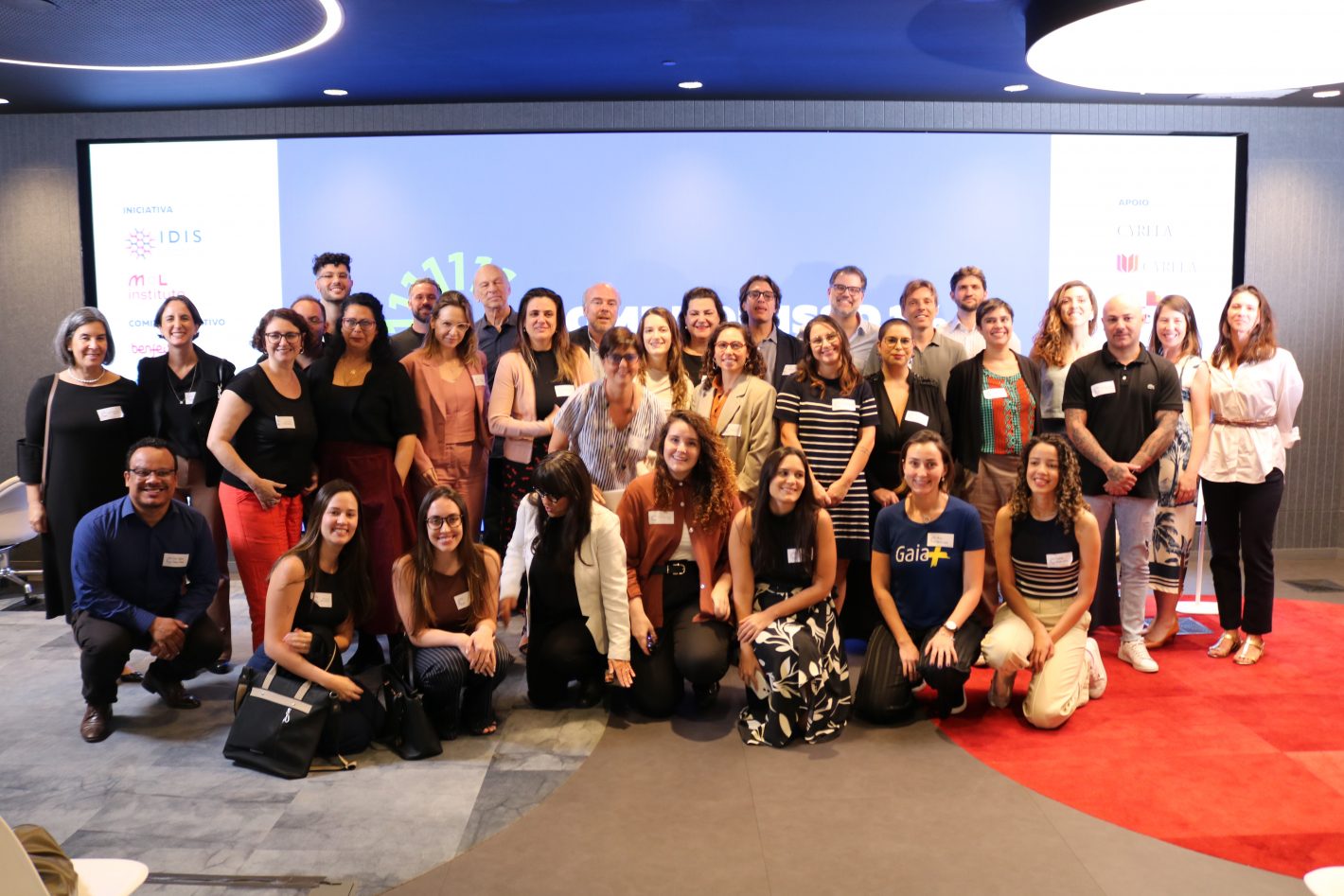
Launching event of Commitment 1% which happened in São Paulo in PwC Brazil’s headquarters.
The movement has the purpose of gathering companies that already donate at least 1% of their annual net profit, as well as those that have committed to reaching this amount of donations in up to two years. Cyrela, fama re.capital, Gaia Impacto, MOL Impacto, Pantys, PwC, RD Saúde and TozziniFreire Advogados are the first signatories of the commitment, as well as other organizations who are already at an advanced stage in the process of their adhesion.
Designed for companies of all sizes and sectors, Commitment 1% has the goal to drive companies’ involvement with the present and future of society, so that they will invest in projects and organizations who need resources to continue their journey. These are donations for essential organizations that transform the realities of communities in which they are inserted through education, culture, sports, healthcare, environmental and income-generating actions.
With private social investment, companies only stand to gain. Beyond the financial advantages, since it becomes easier to raise funds on the market, companies also improve their reputation, with bigger engagement from collaborators and a more solid relationship with suppliers and clients. It’s an ecosystem that positively impacts all stakeholders.
Creating possibilities for the growth of private social investment and promoting the habit of giving in the country is, without a shadow of a doubt, a path to strengthening organized civil society as an agent of positive socio-environmental changes. This journey can only be traced to people and businesses who believe in the mobilizing and sustainable power of strategic philanthropy and commit to the generation of positive impact. Just start by committing to 1%.
After all, it is now up to us to repair the mistakes of the past and build a future for those who will come.
By Paula Fabiani, CEO of IDIS, and Luisa Lima, communication and knowledge manager
Altruism means spontaneous regard for the welfare of others. In broader terms, it refers to one’s ability to devote oneself to something or someone without expecting anything in return, moved solely by compassion for a cause or situation. When it comes to altruism, we are also talking about donations.
In Brazil, the act of giving is widespread and socially acknowledged, especially in times of emergencies, as the one we recently saw in the floods that hit Rio Grande do Sul – a Brazilian state – in May of 2024, leaving 497 municipalities impacted and 150,000 people displaced. However, we still face many barriers, such as the donors’ distrust of the destination of donations and even the lack of alignment with certain causes and types of organizations.
What has to happen for Brazilians to see donations not only as a response to crisis, but also as a path for a more just, equitable and generous world?
The recently launched World Giving Index 2024, one of the biggest researches about donations ever produced, with millions of people interviewed in the entire world since 2009, reveals a scenario that may look optimistic at first, but shows that we still have a long journey ahead when it comes to generosity.
In this edition, WGI included data from 142 countries. Participants were asked if they had taken three types of actions in the last month: helped a stranger, donated money to a charity or volunteered their time to an organization.
Brazil climbed three positions compared to the previous year and now occupies the 86th place in the ranking. The report points to a slight 3 percent increase in the amount of people donating money to civil society organizations. Helping a stranger is still the predominant behavior, practiced by 65% of respondents.
The survey carried out between September and November of 2023, does not capture the donations made due to the climate tragedy in Rio Grande do Sul.
In 2022, with the country still under the effects of the Covid-19 pandemic, we were among the top 20 most solidary countries in the world. At the time, the study highlighted that 3 out of four Brazilians helped a stranger.
However, since then, we have dropped more than 60 positions in the ranking. From this angle, it appears to be a discouraging result. But, in terms of absolute score, this was Brazil’s second biggest result since 2009.
The research also presents inspiring world parameters for Brazil. In the last two years, many countries registered meaningful growth in their levels of generosity. Indonesia ranked as the world’s most generous country for the seventh year in a row, with 90% of the population donating money to social organizations and 65% volunteering their time.
Interestingly, among the top 10 most generous countries, only two are between the world’s biggest economies (Indonesia and the United States of America), while Gambia, one of the world’s poorest countries, occupies the 4th place.
Public policies designed to promote philanthropy, such as tax incentives, individual donations matching, and benefits to the practice of corporate volunteering, have had positive effects in Singapore and can be an example for Brazil.
The potential of the Brazilian donor in critical situations and emergencies is unquestionable. However, to strengthen the generosity and giving culture in the country, the practice of donating must become regular.
It is necessary to transform the act of giving into a continuous expression of citizenship and commitment, capable of generating positive and lasting socio-environmental impact in our society. True altruism manifests itself when the donations go beyond the immediate need and become a part of daily life.
Interlacing the last loose ends that united the event, the final panel discussed the collaboration between different actors and different perspectives to promote a fairer and more prosperous world. The panelists, Grace Maingi, Executive Director of Kenya Community Development Foundation (KCDF); Cláudia Soares Baré, Executive Director of Fundo Podáali; and the aforementioned Julia Brindisi, presented different perspectives and tools that, laced together, are able to strengthen each other.
Watch the entire session
Governments, communities, individuals, philanthropic organizations and native populations can (and should!) work together to weave a better future. The cross-sector coordination was highlighted as a key element for the reduction of inequalities and the promotion of social justice. For Claudia Baré, the responsibility for the development of a proper living is a collective responsibility:
“We’re not able to live properly. Living properly is not only living well, living properly is making all of us, regardless of being Indigenous people or the quilombolas or non-indigenous populations, but it’s also for all of us to have a quality of life and for us to be able to make everyone have air that we can breathe in with quality. But all of these responsibilities are placed on the indigenous populations because of the forests, because of the Amazon where we are inserted. And I would like to say that it is not a responsibility of the Indigenous populations, it’s a responsibility that we all have: the Indigenous people, the representatives of companies and organizations that are here, all the citizens and especially the government, because the Brazilian government has the duty of guaranteeing our rights”, says Claudia.
Philanthropy is not any different: the community spirit drives us to strengthen together an ecosystem that looks out for one another. Grace Maingi said during the session that “true philanthropy is the one capable of promoting systemic change”. For her, philanthropy must speak the language of the communities and integrate itself comfortably into the local reality, serving as a mobilizing instrument. Thus, social investment can support people and communities so that they can become the protagonists of their future.
Beyond getting to know the work done by the three organizations present, the public of the closing panel was able to realize how the interlacing for the construction of a better future passes through, not only collaboration between different groups, but also through the combination of different tools. If, on one hand, TBI invests in advanced technologies and artificial intelligence to reach equity, Fundo Podáali values the traditional knowledge of indigenous people, and KCDF focuses on communities with the same goal. Even though they all seem like completely divergent approaches, reuniting them allows combining innovation and ancestral wisdom, creating new development perspectives capable of reinventing relations.
“In terms of the future of philanthropy, I think it’s important for us to recognize that technology will be central to it, to innovation. So, young people, the way we define philanthropy has to make sense to the people who are working and living with communities, it cannot be defined from a foreign land, it has to be understood. I’m a strong believer that we are all philanthropists in one way or the other, we don’t have to have large sums of money to be philanthropists, and really, it’s all about us giving hope.
Generosity is not equal to the wealth that we have or the size of our pockets, but it’s the richness of your heart, so if you are generous from your spirit, from your soul, then you’re able to give and to share and to shape. Philanthropy, I believe, needs to address system change. We need to be able to see the role of the support that it’s given to addressing some of those systemic barriers and challenges, otherwise, then we’re just continuing the ‘hamster’s wheel’. And just from some of the other conversations that happened earlier, is that if we do not then address inequality using philanthropy, we are just enabling a system that is not addressing some of the challenges of the world”, comments Grace Maingi.
Whether it’s encouraging governments, communities or indigenous populations, philanthropy shows its potential to generate systemic transformations. By constructing a philanthropy that will be more inclusive, collaborative and sensible to local realities – central themes of the Brazilian Philanthropy Forum 2024 –, together, we will transform realities and untangle the knots of world inequality.
Life stories and experiences trace paths that can help us face complex collective challenges. When it comes to philanthropy, one of the knots faced is the concentration of the resources and the power of decision making in the hands of few. What can we do so that more voices are heard? Should the ones who donate talk about the practice of philanthropy?
These where some of the questions that interlaced the session ‘In conversation with…’ at the Brazilian Philanthropy Forum 2024. Paula Fabiani, CEO of IDIS, invited three women whose philanthropic practices have standout in terms of innovation and collaboration to share a little bit about their paths: Cristiane Sultani, founder of Beja Institute; Ticiana Rolim, founder of Somos Um; and Marlene Engelhorn cofounder of Taxmenow, a movement that advocates for the taxation of large fortunes, who participated through video.
The conversation began with Marlene’s deposition, which brought some provocations that helped shape the debate. A multimillion-dollar heiress, the young Austrian chose to donate the biggest part of the money she received in the “birth lottery”. The decision came after she questioned herself how she could redistribute her wealth, once her country does not tax inheritances – what, according to her, would be the democratic and transparent way of proceeding. The solution she found was to create a council with the participation of 50 people, chosen randomly at first, and then by representative criteria, who were responsible to collectively allocate 25 million euros to chosen causes.
See Marlene’s entire deposition
In her speech, Marlene highlighted the need for long-term changes so that the people being currently supported by the donations can stop depending on the power and wealth holders to establish a collective decision process to allocate the resources.
“Ask the people that are affected by the decision that I take, to be the ones to take the decision. (…) We don’t have to remain classical philanthropists. We can redistribute power, we can step back as wealth holders, learn to listen and become one of many, such as it should be in a democracy”, she states.
Reinforcing the importance of acting collectively and hearing different actors, Cristiane Sultani talked about how, in her philanthropic path, meeting, listening and collaborating with people were the key aspects that transformed her journey in the field. Since she founded Beja Institute, in 2021, she has tried ‘to philanthrope’, as she likes to say, in a strategic and collaborative way, although she recognizes that she is not always able to do so. The hearing of the sector’s demands, researching global philanthropic tendencies and inspirational success stories helped her along her own process. “I chose to to help the philanthropic sector through a mindset change”, she says.
Cristiane also uses her time, influence and abilities to support advocacy actions that favor the regulations for philanthropy in Brazil, as well as supporting causes such as racial and climatic justice. She states that the process of hearing throughout the articulation with different actors is a key element for the development of trust.
For Ticiana, the transition from a position at the family business to philanthropy was marked by a constant inconformity with social inequalities and the place she occupied. “I made myself this brave question: what is my role in the world? What can I do with these privileges? How will I be an instrument? How can I use this to serve society?”. Influenced by economist and Nobel Peace Prize winner, Muhammad Yunus, she chose social business as the way to fight against poverty, creating Somos Um, an impact business coordinator. This choice also considered the potential of countless existing projects, with a focus on collaboration.
“Nothing about us without us”. This is a motto used by the movements fighting for the rights of people with disabilities, which Ticiana uses to illustrate the importance of including those affected by decisions in the co-creation of solutions and joint action, also aiming to scale its impact. “From this place of privilege, we sometimes arrive in vulnerable territories or in some project full of certainties. And today I say that is arrogant and ignorant on our part.”
Another challenge that Ticiana, from Ceará – a northeast Brazilian state – set to herself was, on one hand, to bring the northeast of Brazil to the center of the philanthropic debate and, on the other hand, to bring the debate about systemic philanthropy to the northeast of Brazil.
“I understood that I can be a bridge, inspiring people in the northeast, where inequality levels are very high, and they many are not questioning it. They are doing charity work, which is important, is urgent, is necessary, but will not solve the social problem because it does not bring social justice, and then we preserve this place of power, which is not ideal, that we want to change and let people free, with the power of choosing for themselves”.
Ticiana cofounded Zunne, which drives social impact businesses in the North and Northeast, in partnership with TRÊ and Yunus Social Business Brazil.
Watch the entire session
In addition to being essential to listen to those affected by the decisions, discussing philanthropy in an open and accessible way was also considered a crucial aspect. Ticiana highlights her role in inspiring and mobilizing people by sharing her experiences and initiatives. Cristiane emphasized the importance of openly discussing issues such as racial equity, promoting transparent narratives to engage more people in the causes she embraces. Marlene, assertive in her positions, is one of the figures who brings to light in public debate criticisms of distributive models that exacerbate and sustain wealth inequalities, as well as environmental, gender and racial inequalities. The stories of the three philanthropists highlight the need for cocreation, participation, and collaboration to produce lasting changes.
Social investment is about people. Prevention and care are also about people.At the 13th Brazilian Philanthropy Forum, with the theme ‘Interlaced Philanthropy’, the session ‘Emergency and Resilience: philanthropy strengthening communities’ discussed the imminent climate and sanitary crisis, talking about how emergency funds and donations can ease and prevent possible disasters. Present in the session were Giuliana Ortega(Sustainability Director at RD – Raia Drogasil), Karine Ruy(General Coordinator of the Gerações Foundation) and Marijana Sevic (Head of International Strategic Partnerships at Charities Aid Foundation), as well as Vinicius Barrozo (Social Value Analyst at Globo and responsible for the donation platform ParaQuemDoar) as the moderator.
Watch the entire session
The discussion about the recent climate and sanitary actions, besides the increase in armed conflicts, highlighted the urgency of creating plans, strategies, and investments that can prevent possible crises. Karine Ruy talked about the work made by Gerações Foundation in the floods that hit Rio Grande do Sul – a Brazilian state – in May of 2024, leaving 497 municipalities impacted and 150,000 people displaced. The institution created ‘Fundo Comunitário Porto de Todos’ to aid those affected by the event. She emphasized the importance of listening to the demands of the community for the reconstruction and mitigation of risks, as she says in her speech:
“We understood that our role at that moment was to be a coordinating organization, building bridges between different actors in the ecosystem that had this operational capacity, but mainly identifying – through a very careful hearing process – what were the demands of the communities and territories”, she said.
Another relevant aspect commented was the role of Charities Aid Foundation (CAF) in countries such as Ukraine and Morroccos, that faced different types of emergencies: the first, an armed conflict, and the second, an earthquake. Marijana Sevic commented on the demand for donations in these cases, which are quick and must be met efficiently and safely, an activity CAF has expertise in operating in more than 170 countries.
Another highlight was the actions taken by RaiaDrogasil during the COVID-19 pandemic. Giuliana Ortega shared that, at the time, the company created an investment fund, together with the Institute for the Development of Social Investment (IDIS), to offer infrastructure to small and medium hospitals, ensuring that those structures would endure long after the crises. The company also supported mass vaccination in different cities through the ‘United for Vaccination’ movement. These actions led RaiaDrogasil to reflect on the donation of their own resources which made them establish their own Theory of Change, highlighted by Giuliana:
“Since 2021, we have established a policy and started investing 1% of our net profit in health actions in communities and society in general. […] Therefore, we had these new resources to think about and so we decided to institute our Theory of Change because the resources were increasing. We were going to channel this effort, and our main goal was to promote health”.
Further on in the session, Vinicius Barrozo presented the platform Para Quem Doar (For Whom to Donate, in english), which had a key role in integrating and directing donations during the pandemic and the floods in Rio Grande do Sul. The app connects donors and organizations simply and securely. In order to encourage giving culture, a partnership between Globo, IDIS, and Instituto MOL was announced through the ‘Find Your Cause’ campaign, which helps the donner identify the areas most aligned with their own values and convictions.
However, there are still some loose ends to interlace, such as the lack of commitment to donations and the delay of the planning and creation of emergency lines for climate and sanitary crises. It is crucial to encourage a giving culture that goes beyond disasters; to have a strategic view for the middle to long-term reconstruction period, when the initial commotion subsides and, therefore, so do the investments; and to highlight the crucial role of communication in emergencies, announcing in a clear and captivating way the purpose of the donation. These paths can help to untangle some resistant knots and strengthen ambition and strategies.
“What is the difference between living in a world that is a mess and a world that is messy?”. This was how Philip Yun, Head of Global Philanthropy Forum, started the opening session called ‘Philanthropy: untangling the knots of the world’, during the Brazilian Philanthropy Forum 2024.
The idea is that society is not essentially a mess, but rather is living in a planetary mess created by itself. The positive part of this is that the mess, therefore, can be tidied up, and philanthropy can and should have an important contribution in this. For that reason, philanthropic actions should be efficient in comprehending the current challenges and proposing solutions as they arrise.
Amongst the many meanings of the Portuguese polysemic word ‘nós’, one of the most commonly used is to say ‘us’. But the panelist’s speeches pointed out a meaning of the word contrary to this word: the lack of collectivity – maybe the main challenge we must face in contemporary society. Sergio Fausto, General Director of Fundação Fernando Henrique Cardoso, says: “Spaces that should be plural and democratic are far from being spaces that privilege the debate and public interest”.
The ‘knot’ of the absence of collectivity is that which implies a lack of dialogue, a lack of plurality of people, ideals, skills and practices.
To Renata Piazzon, Managing Director of the Arapyaú Institute, one of the main ‘knots’ to be untangled nowadays is the climate agenda. However, it does not stand alone.
The environmental issue is interconnected with an extreme lack of collective sense, where the false dualism of man and nature prevails. According to the panelist, philanthropy must first understand climate issues from an integrated development perspective where, for example, heat waves, drought, and alarming fire outbreaks are not restricted to environmental concerns but also to agriculture, public health, and economy. After all, the interrelation between these phenomena is clear. The scenario of severe drought and fires directly impacts the population’s health, as well as the loss of agricultural crops. The unraveling of this chain reaction also leads to rising food prices, inflationary pressure and the consequent loss of purchasing power and deterioration of the population’s diet.
Watch the entire session
Philanthropy should promote network action, articulating and mobilizing diverse social actors: the connectivity and collectivity as a solution to complex systemic problems.
If one of the main ‘knots’ to untangle is the absence of collectivity in society, this also seems like a challenge philanthropy itself must deal with.
Cida Bento, cofounder of the Center for Studies on Labor Relations and Inequalities, reinforces the importance of collectivity through the establishment of networks, and she goes even further defending a change in the power structure, bringing more diversity and, therefore, plurality of voices and interests to philanthropy. The search for solutions and the decision-making process lacks perspective from the part of the population that has been historically marginalized, the one’s who suffer with social, economic and environmental challenges in the current reality.
“[Collective and plural spaces] enable a more conscious decision-making and, therefore, generate a bigger impact”, completes Sergio Fausto.
A movement known as ‘trust-based philanthropy’ works in this path, advocating that funders should establish their relationships with benefiting partners through trust and collaboration, instead of conformity and control.
Rethinking the future of philanthropy
The educator and philosopher Paulo Freire once said that it was because of his love for the people and the world that he fought for social justice to establish itself before charity. It is not about demeaning charity itself, but rather knowing that by promoting charity as a consequence of a structure of privileges, there is a great risk that it serves as an instrument of maintenance, and even as an alibi for inequality.
Philanthropy differs itself from charity precisely through its strategic nature, capable of better allocating, qualitatively and quantitatively, private capital resources to public and collective causes. The question we must ask ourselves is: has it been effectively strategic? If the major ‘knot’ of the lack of collectivity, emphasized by the speakers, is present both in the current problems of society as well as in the way philanthropic actions have been carried out, this seems to indicate that the philanthropic sector also runs the risk of reproducing social power relations.
May harmony, reciprocity, collectivity and plurality be interlaced with a more powerful philanthropic thinking and acting process able to address current challenges, which are currently governed by almost exclusively private and economic interests.
Maybe it is time for society to rethink the subject of philanthropy (the white men, holder of financial resources and a certain professional prestige). After all, it seems urgent for us to look around and ask ourselves: who has the more to give and who has the more to receive and learn nowadays?
The article was originally published on the website ‘Um Só Planeta’
by Guilherme Sylos, Prospection Director at IDIS; and Marcel Fukayama é Co-founder of Sistema B Brasil and Member of the Board at IDIS.
Collectivity has always been an important value for society’s advancement. No wonder, it is part of the popular imagination in children’s tales and fables and through sayings like ‘unity makes strength’. It is not surprising the almost intuitive effort of adults to teach young people from an early age the importance of collectivity, as life in society is intrinsically linked to collaboration and mutual support. That principle, as basic as it may sound, needs to be constantly reinforced so that we can reach common resolutions for shared problems.
The United Nations (UN) considered this when defining the seventeen Sustainable Development Goals (SDGs). The concept is heavily reflected in SDG 17 – Partnerships for the Goals, which highlights the importance of partnerships as a means to accelerate and ensure sustainable development. It is precisely this last SDG that underlies and strengthens all the others.
However, data from the Brazilian Institute of Geography and Statistics (in portuguese, Instituto Brasileiro de Geografia e Estatística – IBGE), reveals that, of the 24 indicators monitored by Brazil related to SDG 17, only six have been fully elaborated so far, while thirteen of them are under development or analysis. With only six years left to achieve the goals of the 2030 Agenda, partnerships could be our answer to find part of the missing solutions by combining resources, knowledge, and experiences.
Creating connections between governments, companies, and organized civil society generates the strength to face challenges that would be insurmountable individually. Let’s consider, for example, strategic philanthropy. As the name itself suggests, it involves the strategic allocation of private resources for public benefit. These resources strengthen initiatives and solutions that would not always be feasible solely through state efforts, in addition to being more flexible, allowing the use of experimental approaches and the development of creative solutions to complex problems. The practice, in itself, is already very powerful when it comes to social impact.
It turns out that strategic philanthropy can be even more effective when supported by strong partnerships with other sectors, rather than remaining closed in on itself. Collaborations enhance the impact made by initiatives, making them more long-lasting and sustainable.
While governments hold regulatory power and public sector resources, philanthropic organizations contribute with a strategic view, agility, and private resources that promote social impact. Civil society, on the other hand, brings a direct perspective from the community, guiding the final allocation of resources and ensuring that solutions are truly aligned with the needs of the population.
One example that highlights the success of this type of partnership is Together for Health. Launched in 2023, the Program is an initiative of the National Bank for Economic and Social Development (BNDES) managed by IDIS. In partnership with private donors, the Program seeks to gather funds to support and strengthen the Unified Health System (SUS) in the North and Northeast regions of Brazil. The perspective is that, by 2026, approximately BRL 200 million non-reimbursable (BRL100 million from partners and BRL100 million from BNDES) will be allocated to health projects that aim to benefit care activities for populations living in these regions of the country, including primary care services; medium and high complexity; urgent and emergency services and diagnostic support. For every real donated by other institutions, BNDES contributes with another real, in a matchfunding style.
The challenge is not simple, since managing these many stakeholders is a complex operation. To achieve the goal of Together for Health, it was necessary to create multiple connections between the private initiative, the public sector (Ministry of Health, municipal and state health departments) and civil society organizations that will be responsible for executing the projects supported by the Program. So far, the program has already allocated approximately BRL 96 million in resources, aimed at three projects that, together, will reach more than 300 cities.
Another great brazilian example of collective action and networking on behalf of structural changes is the global Catalyst 2030 movement, composed of about 127 social entrepreneurs and innovators committed to improve the achievement of the Sustainable Development Goals (SDG). In Brazil, the group joined in 2023 the ‘National Strategy Committee for an Impact Economy ’ (in portuguese, Comitê da Estratégia Nacional para Economia de Impacto – ENIMPACTO), to which it presented a proposal letter of how the network can contribute even further with public policies and the strengthening of the solutions.
An additional example highlights how the partnership between the corporate sector and the social sector can create new paradigms. In 2023, three B Corps: real estate developer MagikJC, insurance company Gaia Group and venture builder Din4mo, created the Organized System for Affordable Housing (in portuguese, Sistema Organizado para Moradia Acessível – SOMA), a non-profit organization that aims to offer social housing in urban centers.
The project has raised BRL15 million in an operation in São Paulo’s Stock Exchange Market (B3) in a real estate receivables certificate (in portuguese, certificado de recebível imobiliário – CRI) with investors such as Gerdau, Votorantim, Dexco, Movida and P4 Engenharia. The resources raised enabled the construction of a building in Largo do Arouche and is now providing social living services to vulnerable families.
We must recognize the essential role of joining forces and resources as well as collaborative work so that we can move towards a more inclusive, equitable and regenerative future.
This august, Brazilian companies announced their pledge to Commitment 1%. Envisioned by IDIS – Institute for the Development of Social Investment and Instituto MOL, this initiative seeks to promote donations made by companies to civil society organizations. Amongst the companies that confirmed their commitment to the movement are Cyrela, fama re.capital, Gaia Impacto, MOL Impacto, Pantys, PwC, RD Saúde and TozziniFreire Advogados as well as five other organizations are already at an advanced stage in the process of their adhesion.
Inspired by Pledge 1%, movement in the United States that gathers more than 15 thousand signatories, Commitment 1% aims to gather Brazilian companies that already donate at least 1% of their annual net profit and those that commit to reaching this donation level within two years. According to the publication Corporate Social Investment Benchmarking, in 2022, Brazilian companies donated R$4,026 billion. That value equals to about 1/3 of the total donated by individuals, according to IDIS Brazil Giving Research 2022. During the same period, donations made by individuals reached R$12,8 billion.
“The goal
of this commitment is to contribute to the progress of private social investment in Brazil and encourage the longevity of donations as a strengthening strategy of organized civil society. The third sector plays a crucial role in reducing inequalities. Here, we have serious organizations that have been working for a long time in a meaningful way, and financing the work and strengthening of these initiatives is what will assure social transformation in the medium to long-term in the country. And this progress is the company’s responsibility as well”, emphasizes IDIS’ CEO, Paula Fabiani.
To the signing parties, the benefits of committing to the movement will be seen in several areas: access to a community of exchanges and knowledge, visibility to the actions taken and reputational gains with stakeholders and becoming an influential agent in your acting market.
“The companies that are committing with the 1% are providing and excellent example for others to follow the same path. As Ralph Waldo Emerson says: “Your actions speak so loudly that I cannot hear what you say.” – Aron Zylberman, Instituto Cyrela
At the same time as the recurring and strategic practice of philanthropy contributes to accelerating positive social change and strengthening civil society, companies can develop better relations with their contributors, suppliers and consumers. There is also potential impact on fundraising in the financial market (the strengthening of the S in the ESG helps drive valuation).
Launching event of Commitment 1% which happened in São Paulo in PwC Brazil’s headquarters.
The adhesion process includes the confirmation of the donations conducted and can be made online in the commitment’s website.
“Commitment 1%
is an ambitious and impactful project, capable of driving and accelerating the way that companies commit to the present and future of society, investing to strengthen relevant projects that need resources to keep going”, emphasizes Rodrigo Pipponzi, cofounder of Instituto MOL.
Access the Commitment 1% website here, available in English.
IDIS conquered 1st place in the ranking, demonstrating our commitment in the support of social investors that are dedicated to the generation of social impact in Brazil.
In regards to strategic advisory, we offer technical support to families, companies and social organizations that wish to start or enhance their social investment. We provide customized and participative advisory in six axis: strategic planning and governance; ESG agenda; endowment structuring and long-term strategies for financial sustainability; project design; implementation and organizational capacity building; development of calls for proposals and portfolio management; in addition to Monitoring and Assessment.
“Initiatives such as Leaders League contribute to give visibility to the excellent work done by Brazilian organizations that generate impact through strategic advisory made with commitment, seriousness, creativeness and efficiency. This ranking is yet another tool to increase trust with social investors, both local and international. We are happy to lead the ranking, but also to congratulate the other organizations featured in it. The social impact advisory ecosystem in Brazil is vibrant, strong and diverse, and everyone contributes to it!”, comments Paula Fabiani, CEO of IDIS.
We are IDIS – Institute for the Development of Social Investment, a civil society organization founded in 1999 and pioneer in technical support to social investors in Brazil. With the mission to inspire, support and promote strategic philanthropy and its impact, we serve individuals, families, companies, corporate and family run institutes and foundations, as well as with civil society organizations, in actions that transform realities and contribute for the reduction of social inequality in the country.
Our actions are based on the tripod of generating knowledge, offering advisory and developing social impact projects that contribute to the strengthening of the ecosystem of strategic philanthropy and of giving culture. We value partnerships and co-creating, and believe in the power of connection, of joint learning, of diversity and plurality of points of view.
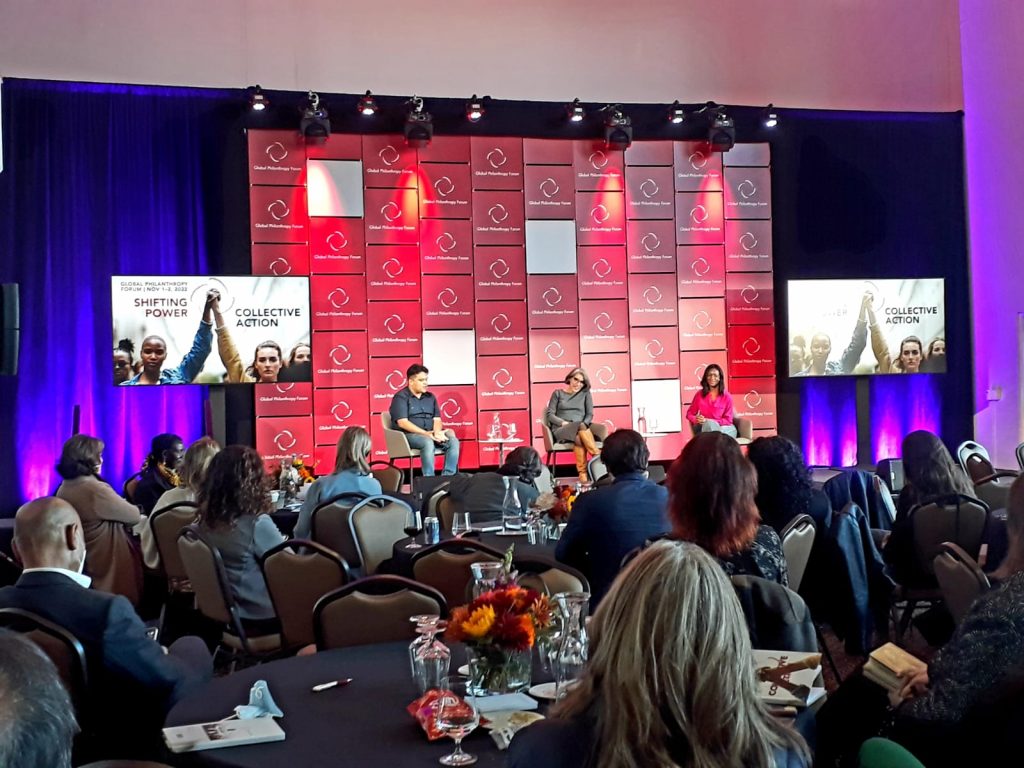
With a view to the Golden Gate, San Francisco’s postcard, the Global Philanthropy Forum (GPF) took place in November. In celebration mood, after two years without face-to-face meetings, the event brought together 160 participants over two days of programming. The Brazilian delegation, led by IDIS, was once again present, with 11 members from different organizations.
Racial and Gender equity, local and trust-based giving, and philanthropy’s contribution to the fight against climate change were some of the GPF themes present throughout many of the event’s debates.
The opening plenary had as its theme ‘Democracy under Threat’. Authoritarianism, disinformation, hate speech and attacks on human rights are evident in many parts of the world. The challenges are not few, but as speaker David Litt said, “people still want to live in a democracy” and that’s why there are so many initiatives that pave the way for a more promising future. Examples include actions to reduce polarization based on building relationships, crowdfunding and strengthening of institutions. In this session, as in others throughout the day, the importance of a helathy information spece, with independent vehicles and the safety of journalists, was highlighted.
Racial justice was the focus of the second session of the event, but it permeated a number of other conversations. Angela Glover Blackwell, activist at PolicyLink, was interviewed by Philip Yun, CEO of the GPF, and drew attention to the fact that the fight for equity is known to blacks, but whites are still not comfortable talking about racism and we must find ways for them to develop that muscle. Angela spoke the phrase that became the mantra of the event – “hope is a discipline”. She reinforced that talking about racism requires discipline and that better narratives are needed, as there are many stories that can be told. She highlighted that it is necessary to change the system based on oppression to one where generosity is the engine and that it is with equity that we will all progress.
In a session that focused on impact businesses led by blacks and browns, it was stressed the importance of unrestrited giving, so that organization may invest in their priorities and eventually make mistakes. On the other had, philanthropists shoulnd´t face out. They can be close, contribute to reflections and offer training and capacity building. For the next year, the GPF announced that it is interested in bringing a session based on a study on donors of colour, carried out by the Lilly Family School of Philanthropy.
Several debates focused on philanthropy. One session addressed the role of donations in building a more equitable economy, the other a reflection on how to invest in local knowledge. There was a workshop on how to structure giving circles and encourage giving from a community perspective. And of course, a plenary session showcased innovative models. The importance of trust-based giving, and long-term support was mentioned at every table. According to Glen Galaich, CEO of the Stupski Foundation, “we waste time over complicate things, while our concern should be just donating resources”.
There were many speeches about the importance of social agents being able to invest their energy in action and not in such detailed rendering of accounts. The idea was also defended that donors should be analyzed by their grantees and receive grades for that. The issue of greater willingness to risk was sometimes related to a way of solving complex issues: it is necessary to act and failure can bring great learning and even lead us faster to lasting solutions. Degan Ati, executive director of Adeso, an organization in Somalia, brought some figures for reflection: only 12% of foundation resources are destined for the global south, and 0.076% is earmarked for youth initiatives. “Transformative philanthropy must change these numbers, while giving visibility to the generosity and small donations that happen daily among the most vulnerable,” said Degan.
Another very important aspect was the look at the donation from the local perspective. Canadian activist Yonis Hassan called attention to the change in narrative – “it’s not a charity. Donors are not helping organizations. It is the organizations that are helping donors achieve the change they want to see.” He was very emphatic about the importance of funding organizations that operate in a specific territory and strengthening leadership. The indigenous Nemonte Nenquimo, in turn, told her story of fighting for the right to land and protecting forests in Ecuador. In its movement, it brings together indigenous people affected by state action and those who still live in more isolated lands, as well as international agents that contribute to articulation.
It is estimated that the equity of American foundations invested in funds is 160 billion dollars. These resources are ‘stopped’ and that’s why the debate on management is big in the country. The #HalfMyDAF movement advocates that half of these amounts be transferred to CSOs and proposes to match everything that is donated. Along the same lines, Glen Galeich points out that “foundations today are just part of the financial system and that money is just circulating to generate more money”. Increased speed of resource transfer, transparency, accountability, blended finance and venture philanthropy mechanisms were explored. The duration of funding was also highlighted. For Carlos Saavedra, executive director of the Ayni Institute, “transformation takes time. Donations for just 1 year is nothing. Financing must be between 3 and 10 years.”
The issue of global health, based on the experiences of the pandemic, gained a specific session. “Covid was a magnifying glass, revealing the inequalities in detail,” said Chet Hewitt, CEO of the Sierra Health Foundation. The importance of social organizations at this time was highlighted, the legitimacy that local leaders had to guide the population and how they were crucial partners for the public power.
Empathy and collaboration as basic elements for the advances we want to see were present throughout the event, which included in the agenda several moments for interaction between participants. “I had the opportunity to meet people with very interesting experiences and exchange points of view. By participating in the event, I broadened my horizons and I believe that interesting partnerships may emerge.” comments Luisa Lima, communication and knowledge manager at IDIS, and also responsible for producing the Brazilian Forum of Philanthropists and Social Investors, the local version of the GPF.
Brazil at the Global Philanthropy Forum
Led by Paula Fabiani, CEO of IDIS, and Luisa Lima, the GPF delegation had the participation of Antony Assumpção and Rodrigo Lowen (Hospital Pequeno Príncipe), Carolina Barrios (Fundação Maria Cecília Souto Vidigal), Daniela Grelin (Instituto Avon), Fernanda Quintas and Rosalu Ferraz Fladt Queiroz (Solidarity League), Guilherme Barros (Lemman Foundation), Juliana Depaula (BTG) and Nicole Rodrigues Carnizelo (Santa Plural Association). As partners of the event, IDIS annually organizes the trip, strengthening the relationship between the participants and with the global philanthropic community. Interested in participating? Contact us. The GPF does not yet have a set date, and will be released to our community as soon as it is announced.
The matchfunding initiative will finance new technologies to expand health service in the North and Northeast of Brazil. By encouraging the participation of private donors, BNDES – National Bank for Economic and Social Development will double any contribution made to the program. Over 4 years, the equivalent to USD 40 million will be donated.
The National Bank for Economic and Social Development (BNDES) selected the consortium formed by IDIS and Impulso Gov as the managers for the “Juntos pela Saúde – Together for Health” initiative
Launched in June 2022, the initiative aims to increase investment in technology and equipment for the Brazilian population’s access to health, in addition to improve the Brazilian free and public health system (SUS). The focus will be the North and Northeast regions of the country.
BNDES will use the matchfunding strategy, in which it doubles the amount invested by private donors. The initiative aims to gather R$ 200 million in non-reimbursable resources, equivalent to about USD 40 million, health of it invested by the bank, which will be transferred to public and philanthropic health units that serve the SUS by the means of acquisition of equipment, IT, management improvements and health campaigns.
So far, there is already a declared intention of a contribution from the multinational miner company Vale, in the amount of R$34 million, that, as the strategy suggests, will be also matched by BNDES. These resources will strengthen primary care in the municipalities surrounding Vale’s operations in the State of Maranhão, with the expansion of the successful experience of the “Ciclo Saúde” (health cicle), project by Vale Foundation.
The Bank’s resources come from the BNDES’ socio environmental fund.
The contracted manager will be responsible for supporting fundraising and carrying out public selection of projects and/or structuring projects eligible for support, in the minimum amount of R$2 million. All proposals will be submitted to a validation committee, with equal participation of BNDES and donors.
The project manager will also have the attribution of receiving funds from BNDES and other supporting institutions and passing them on to the contemplated projects, following up on the application and monitoring the results. The management of “Juntos pela Saúde” will follow all the corporate governance and compliance requirements, with the establishment of measurable goals, contracting of external audits, dissemination of results and public selections. In addition to improving access to healthcare, the initiative has as goals the efficiency and transparency of the investments.
“IDIS is very proud of this achievement. Our experience in managing donations and creating robust governance structures, such as the Emergency Health Fund – Coronavirus Brazil and the Private Social Investment Fund for the End of Violence against Women and Girls, was certainly decisive in demonstrating our ability to deliver such an important and complex project”, comments Paula Fabiani, CEO of IDIS.
Founded in 1999, IDIS is considered one of the pioneering organizations in advisory for social investors in Brazil. ImpulsoGov, on the other hand, has the mission of improving health policies through the intelligent use of data and technology.
The expectation is that the selected consortium will be hired in December, after technical and legal analysis by the BNDES, and that, in 2023, it will start working on the selection and structuring of projects.
Societies are more complex. Problems to be faced too.
In the 19th century, one of the great names of philanthropy, the entrepreneur Andrew Carnegie, said it was easier to make a fortune than to give money away wisely. More than a century separates us from that statement, and since then societies have become more complex, as have their problems. And the challenge faced by philanthropists, who want to generate the greatest possible impact with their donations, has grown considerably, after two years of the pandemic and its consequent economic and social crisis.
Thinking about the decisions which Brazilian philanthropists will face in 2022 that IDIS prepared this article, bringing some perspectives we see in our daily work, both in Brazil and abroad. Perspectives work like windows opening onto different landscapes, and in each one something different is happening that can influence the way the private social investor understands the context in which he/she is inserted, the various possibilities within his/her reach, and the effects of his/her resolutions.
It should be clear that IDIS have never intended to draw a complete picture of reality and of what should be considered by a philanthropist when reflecting on how he or she intends to make donations. But we do have the intention of enriching this moment and, somehow, contributing so that the social investor has more elements to collaborate with in order for his/her decision to be the best for him/her, the best for the beneficiaries, and the best for Brazil.
This website uses cookies so that we can provide you with the best user experience possible. Cookie information is stored in your browser and performs functions such as recognising you when you return to our website and helping our team to understand which sections of the website you find most interesting and useful.
Strictly Necessary Cookies
Strictly Necessary Cookie should be enabled at all times so that we can save your preferences for cookie settings.
If you disable this cookie, we will not be able to save your preferences. This means that every time you visit this website you will need to enable or disable cookies again.

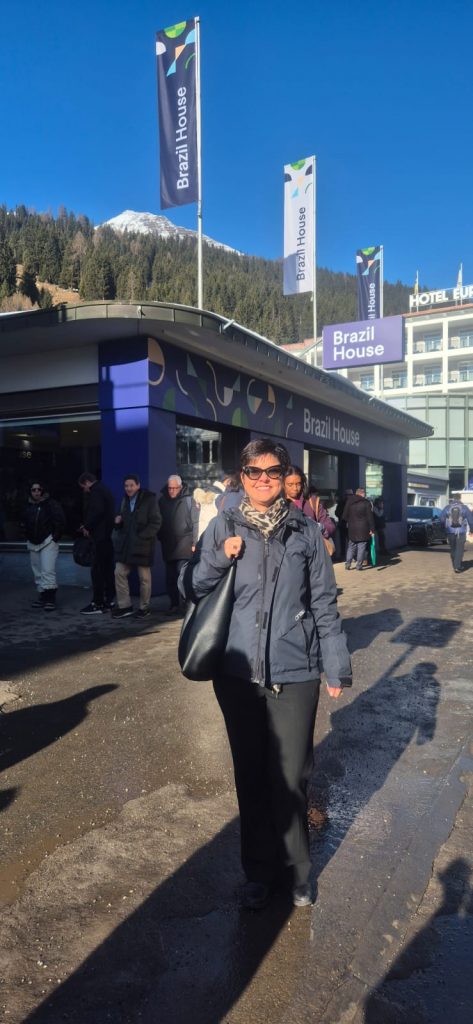 It was in this environment that I participated in a series of debates and meetings, including gatherings such as Brazil House, where I met the renowned climatologist Carlos Nobre, who remains consistently clear about the prospects for the global climate agenda.
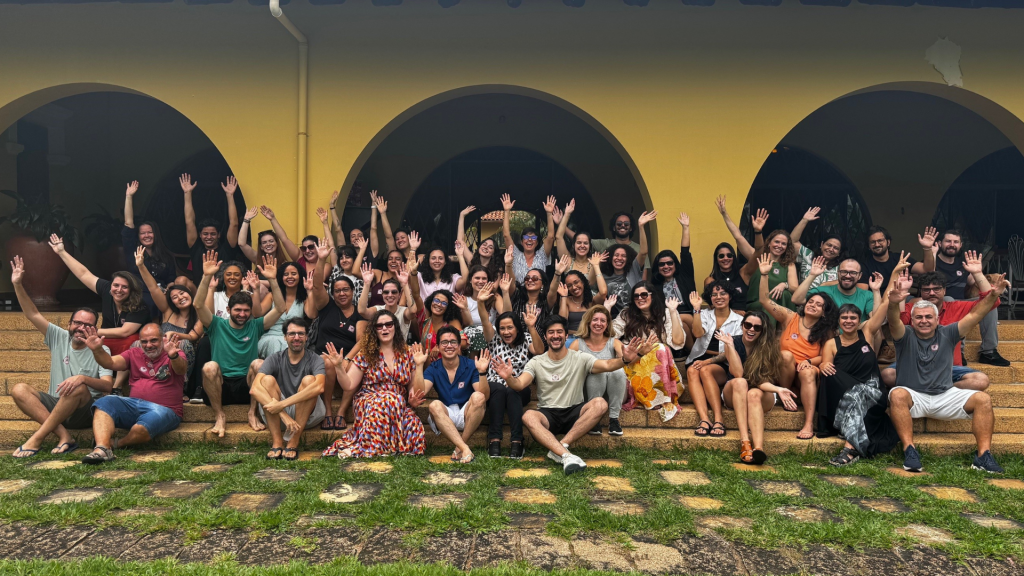

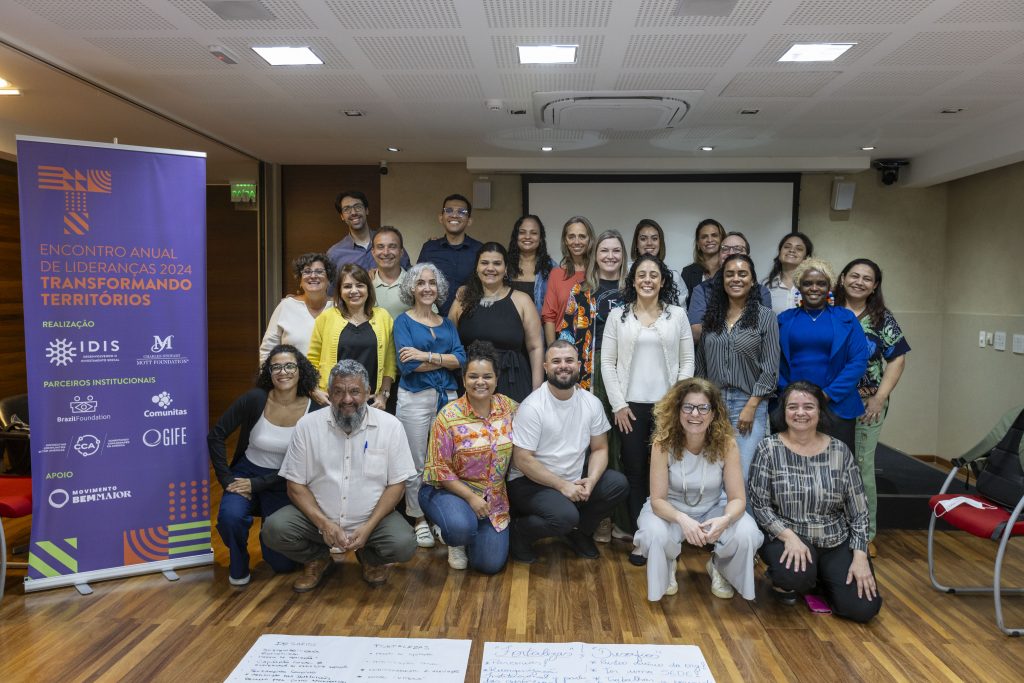
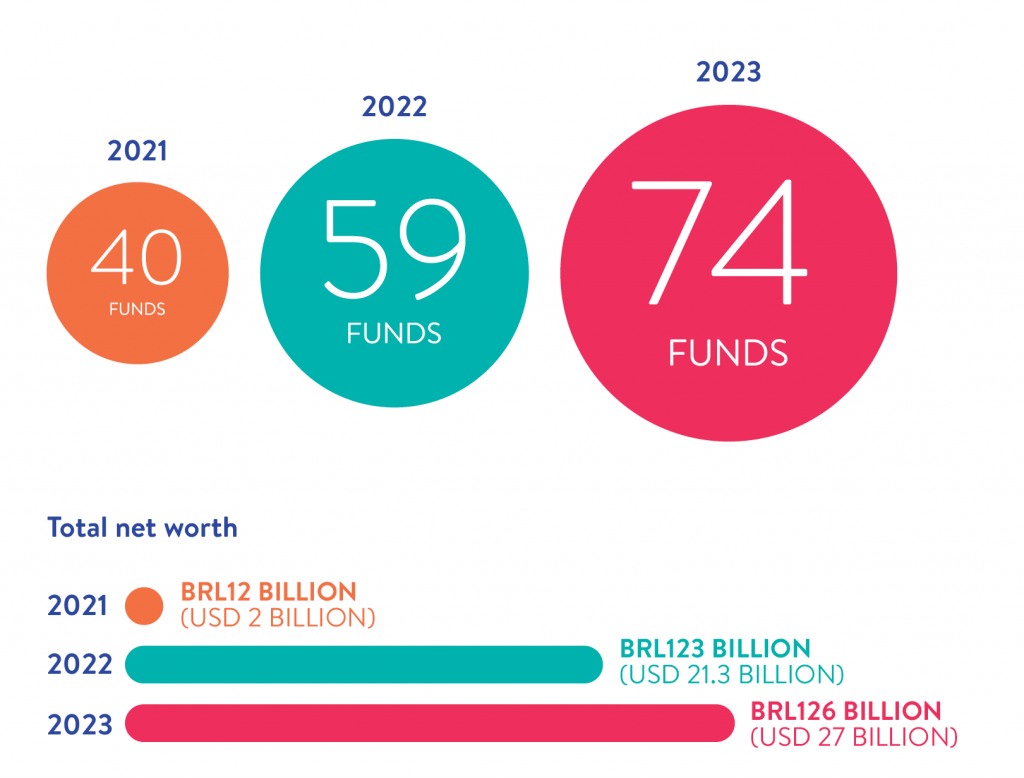
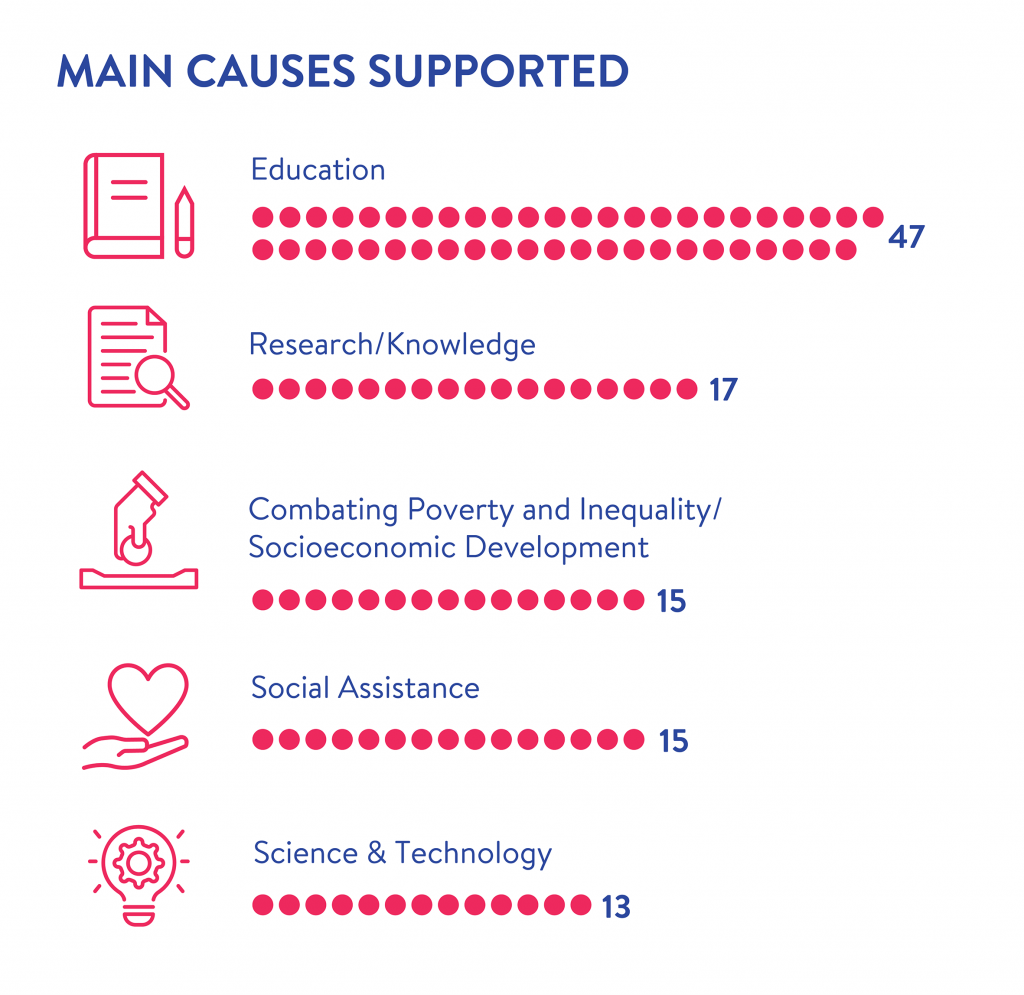
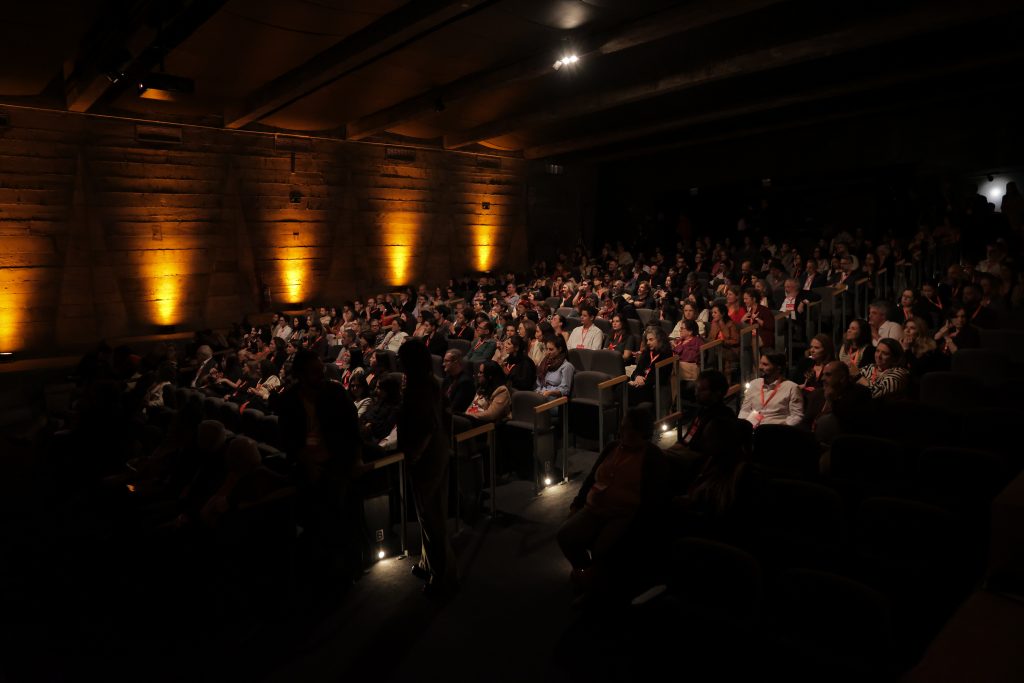 Audience at the celebration in the MASP auditorium. Credit: Paula Miranda.
 Afterwards, a tribute was then paid to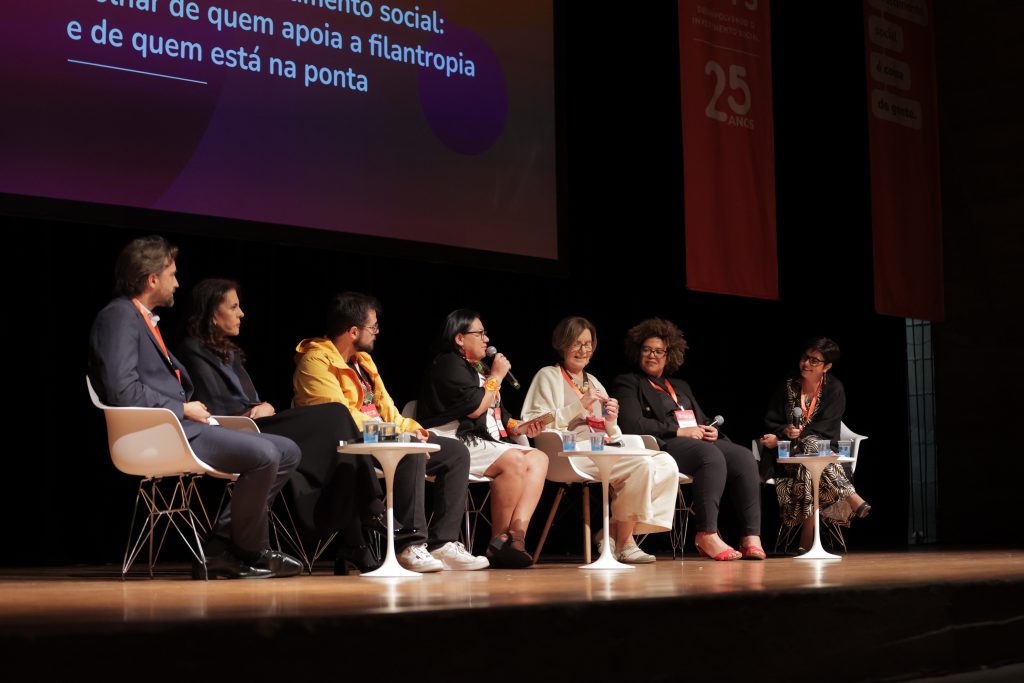
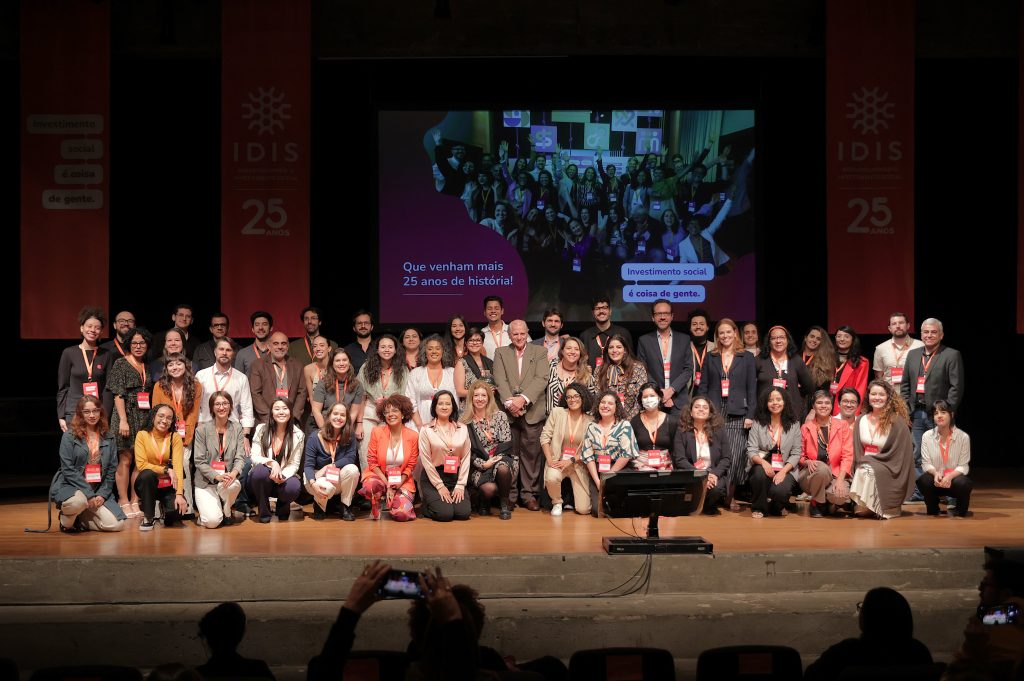
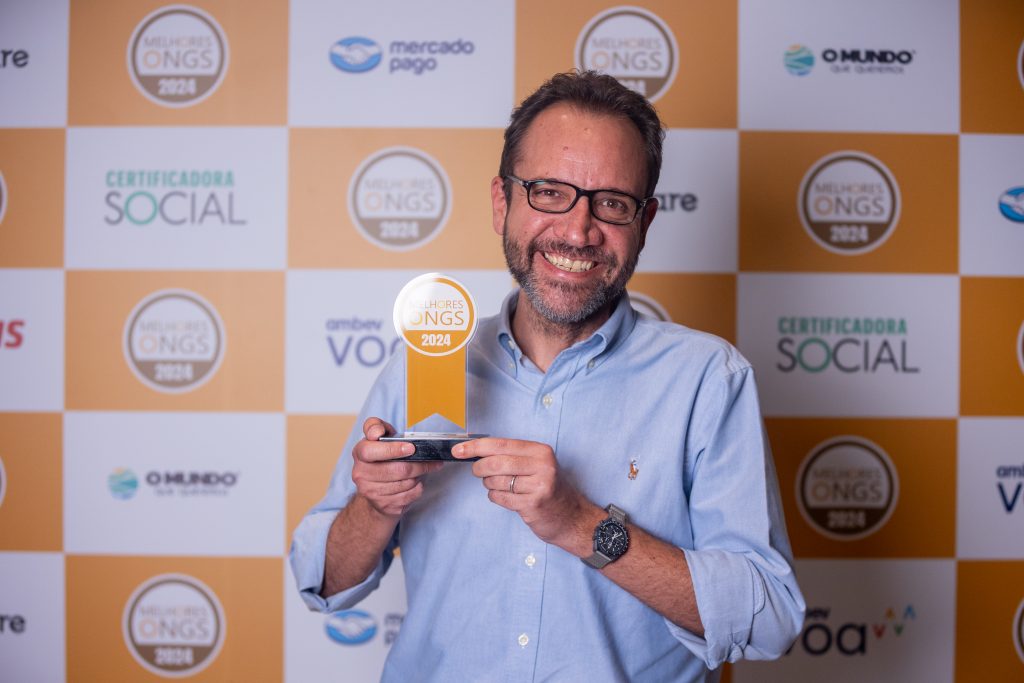
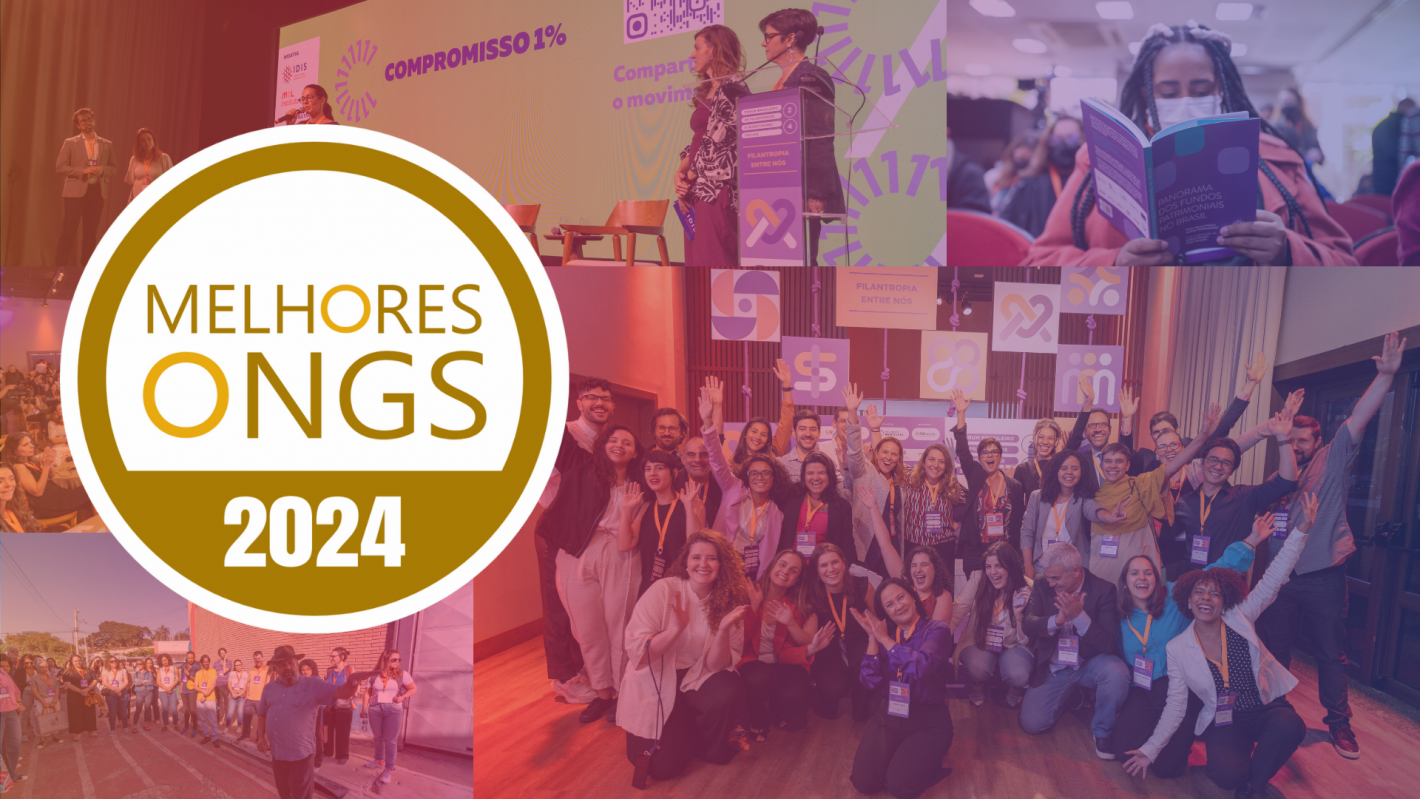
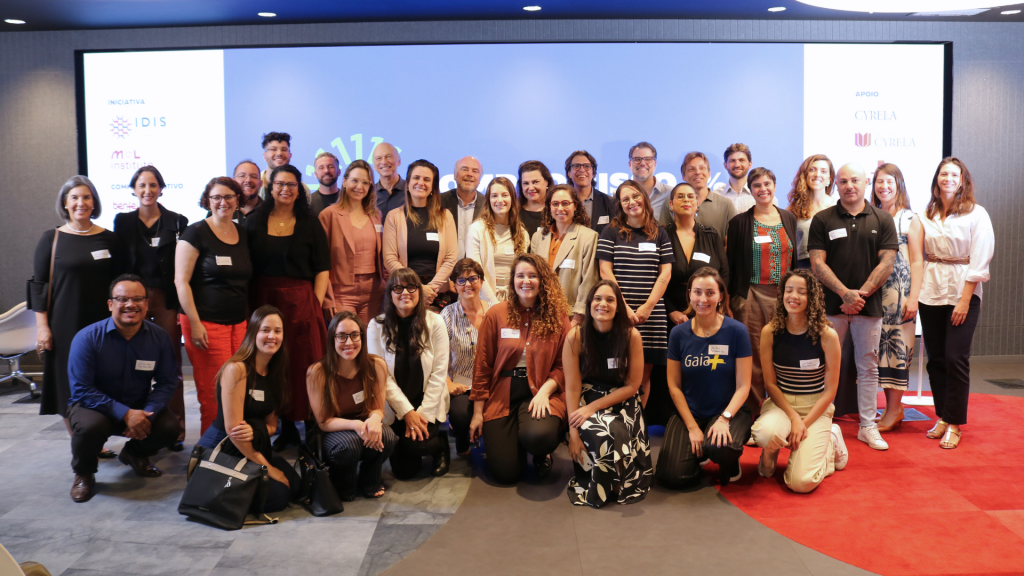
 “We’re not able to live properly. Living properly is not only living well, living properly is making all of us, regardless of being Indigenous people or the quilombolas or non-indigenous populations, but it’s also for all of us to have a quality of life and for us to be able to make everyone have air that we can breathe in with quality. But all of these responsibilities are placed on the indigenous populations because of the forests, because of the Amazon where we are inserted. And I would like to say that it is not a responsibility of the Indigenous populations, it’s a responsibility that we all have: the Indigenous people, the representatives of companies and organizations that are here, all the citizens and especially the government, because the Brazilian government has the duty of guaranteeing our rights”, says Claudia.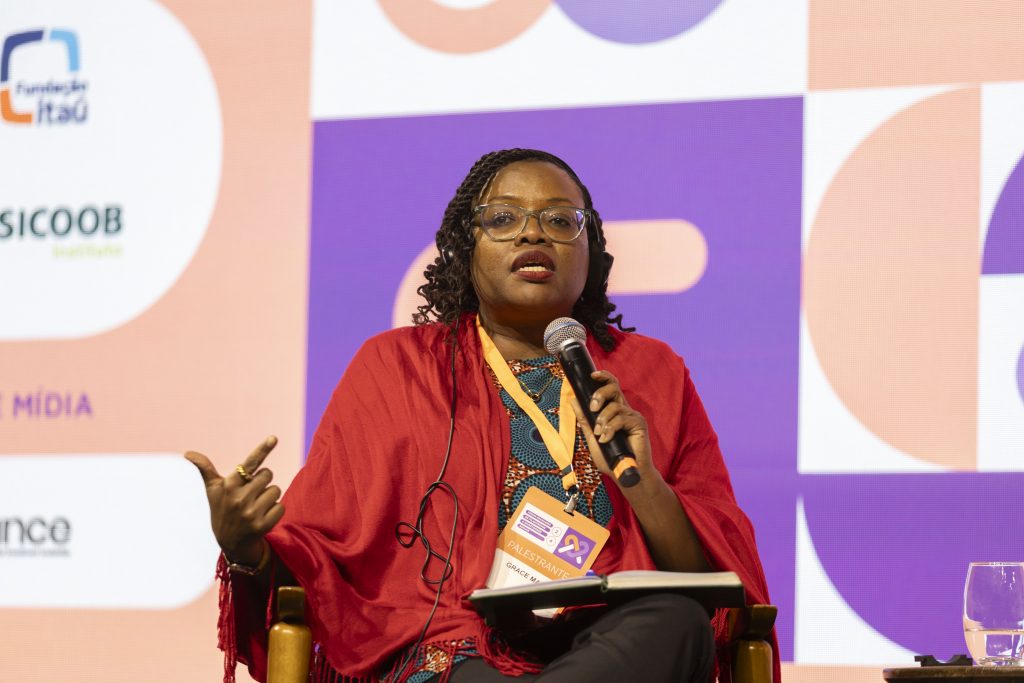
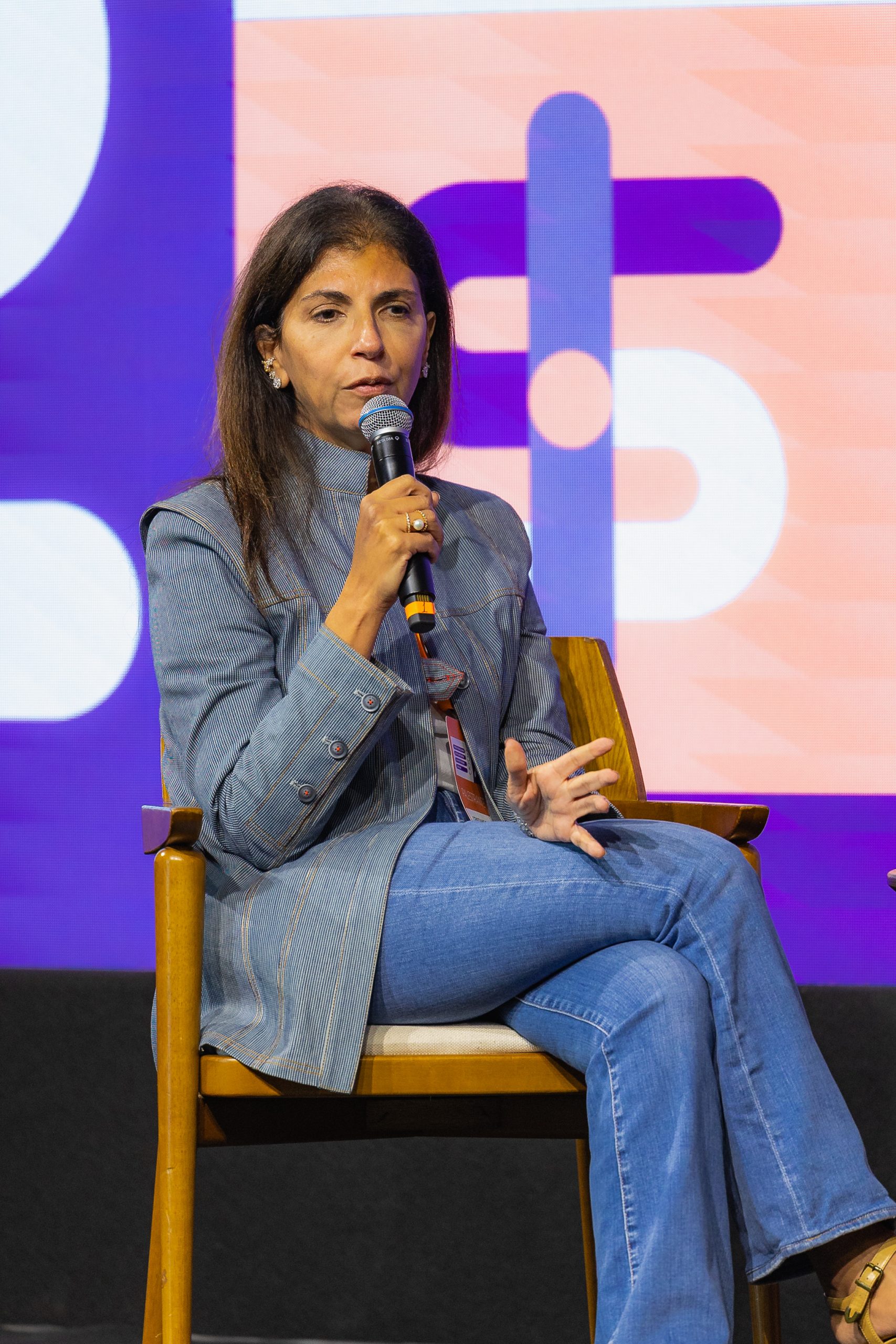 Reinforcing the importance of acting collectively and hearing different actors, Cristiane Sultani talked about how, in her philanthropic path, meeting, listening and collaborating with people were the key aspects that transformed her journey in the field. Since she founded Beja Institute, in 2021, she has tried ‘to philanthrope’, as she likes to say, in a strategic and collaborative way, although she recognizes that she is not always able to do so. The hearing of the sector’s demands, researching global philanthropic tendencies and inspirational success stories helped her along her own process.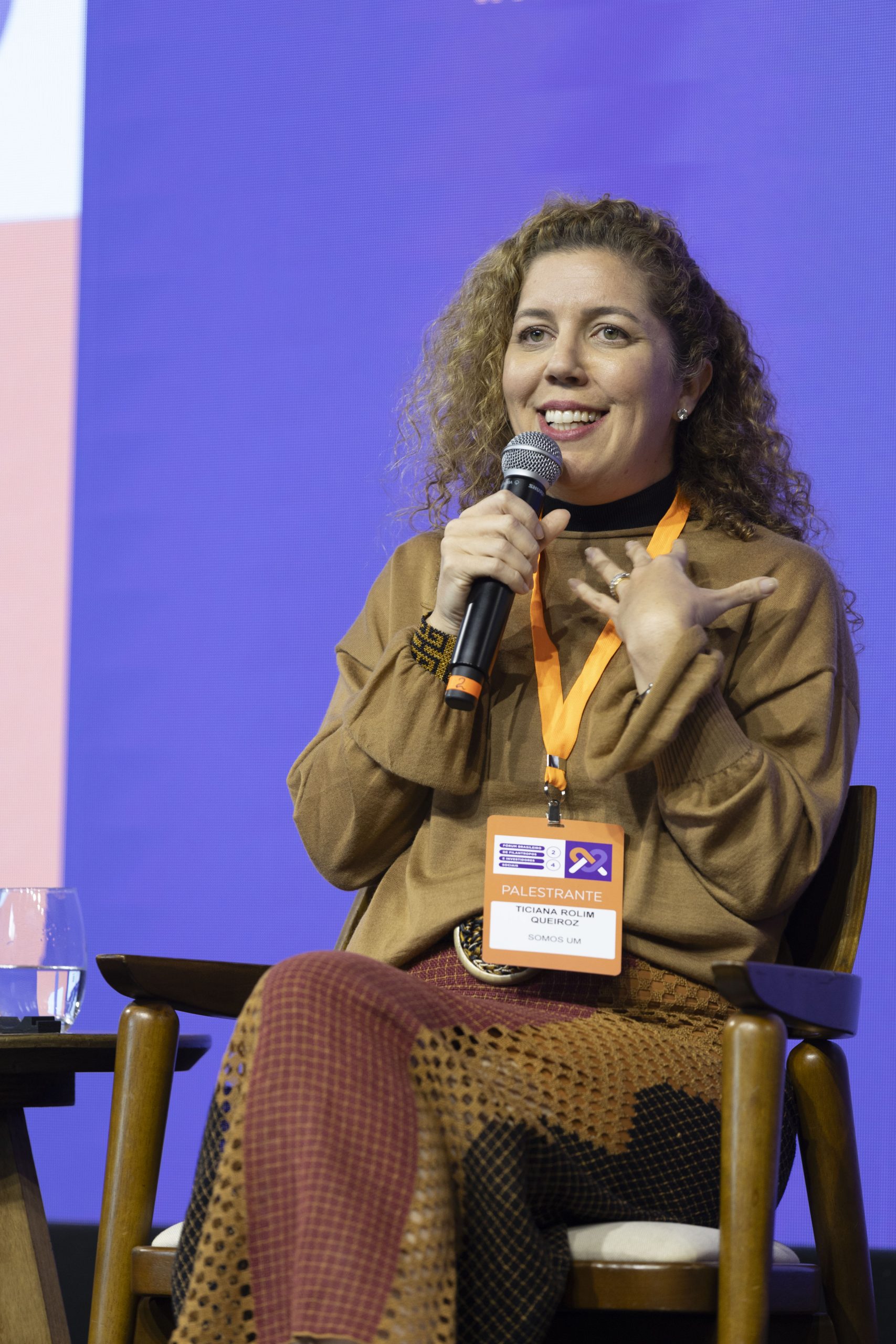

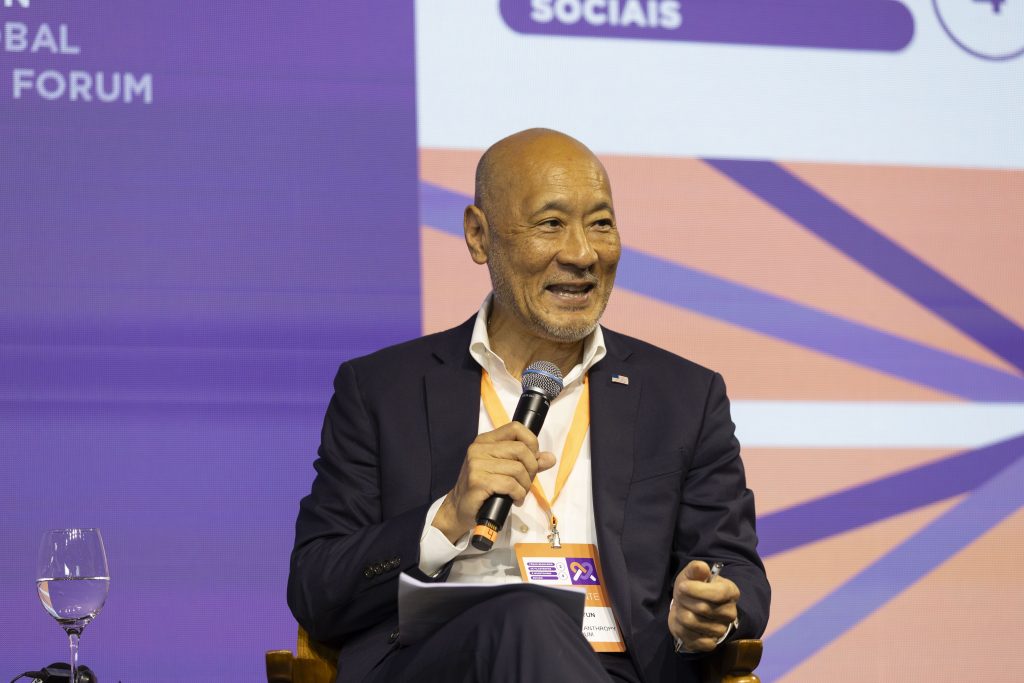
 Amongst the many meanings of the Portuguese polysemic word ‘nós’, one of the most commonly used is to say ‘us’. But the panelist’s speeches pointed out a meaning of the word contrary to this word: the lack of collectivity – maybe the main challenge we must face in contemporary society. Sergio Fausto, General Director of Fundação Fernando Henrique Cardoso, says: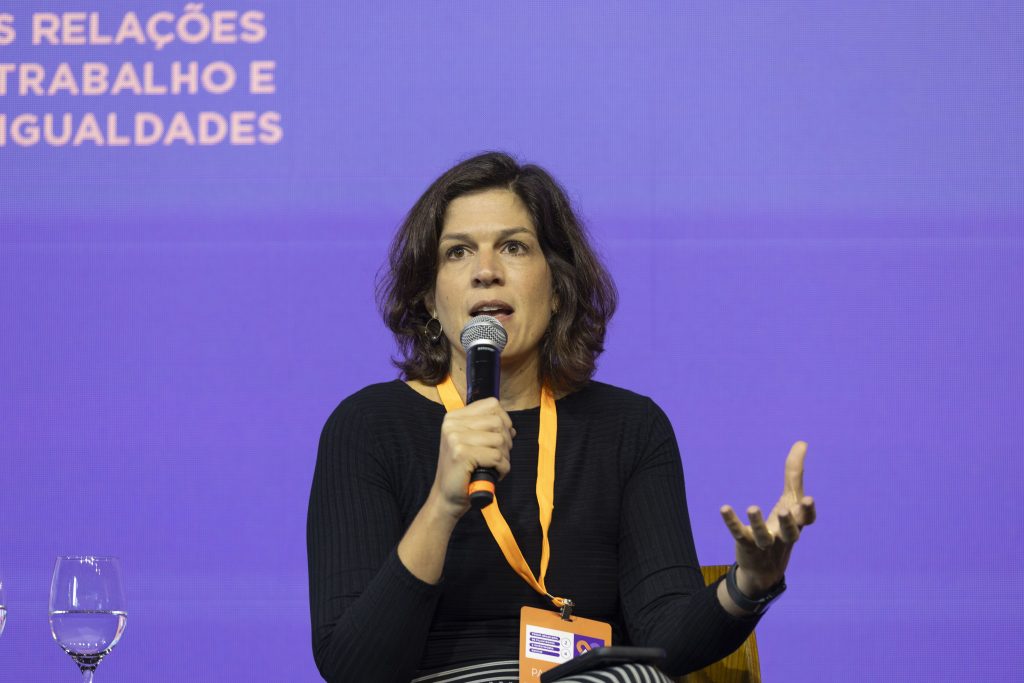
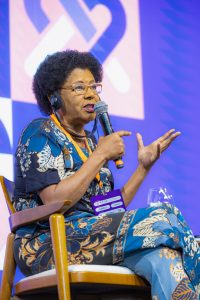 Cida Bento, cofounder of the Center for Studies on Labor Relations and Inequalities, reinforces the importance of collectivity through the establishment of networks, and she goes even further defending a change in the power structure, bringing more diversity and, therefore, plurality of voices and interests to philanthropy. The search for solutions and the decision-making process lacks perspective from the part of the population that has been historically marginalized, the one’s who suffer with social, economic and environmental challenges in the current reality.